Published by Chris Townsend
Last updated Dec, 08 2025

Planning to move cross border from the USA to Canada? First of all, congratulations! Whether you’re planning to relocate for work, for a change of scenery, or simply for a fresh start, Canada is an excellent choice. The country is rated highly when it comes to healthcare, public education, and overall quality of life. It’s no wonder that U.S. News ranked Canada the best country in the world for 2021.
Although cross border moving – whether it’s to Canada from the U.S. or vice versa – is a complicated process. Fortunately, the highly-trained International movers at Three Movers are here to serve you and ensure that your relocation is a success.
Moving from USA to Canada
While hauling cross border can be a very exciting life-altering experience, it can also be a rather daunting matter. At Three Movers, our goal is to ensure that your international relocation from the United States to Canada is as smooth, seamless, and stress-free as possible. There is so much that goes into uprooting your entire life and transporting yourself, your family, and your belongings across the border.
A successful International move begins with professional consultants. When you work with Three Movers, you will be assigned a personal haul coordinator who specializes in the cross border moving process and will be with you every step of the way to address all your moving needs. As your single point of contact, your coordinator will lock in dates and ensure that all the necessary services and resources are in place on your behalf.
Additionally, our team are experts in the customs process and will help guide you through this intimidating process from beginning to end. We will take care of all the pertinent forms and documents to ensure that customs clearance goes as smoothly as possible.

Trucking logistics company with moving insurance
Customs Clearance – USA to Canada
Once your shipment arrives in Canada, your Three Movers driver will be in touch about where to meet in order to clear it. While we will handle all the preparation for your cross border move on our end, here are documents and requirements that you’ll need on your end, depending on whether you already have a residence in Canada:
Returning Canadian Residents
- Passport for each of your family members.
- Proof showing the length of time spent away from Canada (pay stubs, leasing documents, etc.)
- A detailed inventory list of your goods and their value.
- Receipts for any goods obtained while you were out of the country.
Non-Residents
- Passport for each of your family members.
- Work or Study Visa
- Marriage certificate for spouse, if applicable.
- Employment offer letter or letter from employer, if applicable.
- A detailed inventory list of your goods and their accompanying value.
Seasonal Residents
- Your passport.
- Proof showing ownership or lease of seasonal property.
- A detailed inventory list of your goods and their accompanying value.
- Proof of United States residency.
If there are any fees, taxes, or duties owed to Canada Customs, these must be paid before your goods can be released. For returning Canadian residents, duty/taxes must be paid on any item bought in the United States that is valued at $10,000 or more.
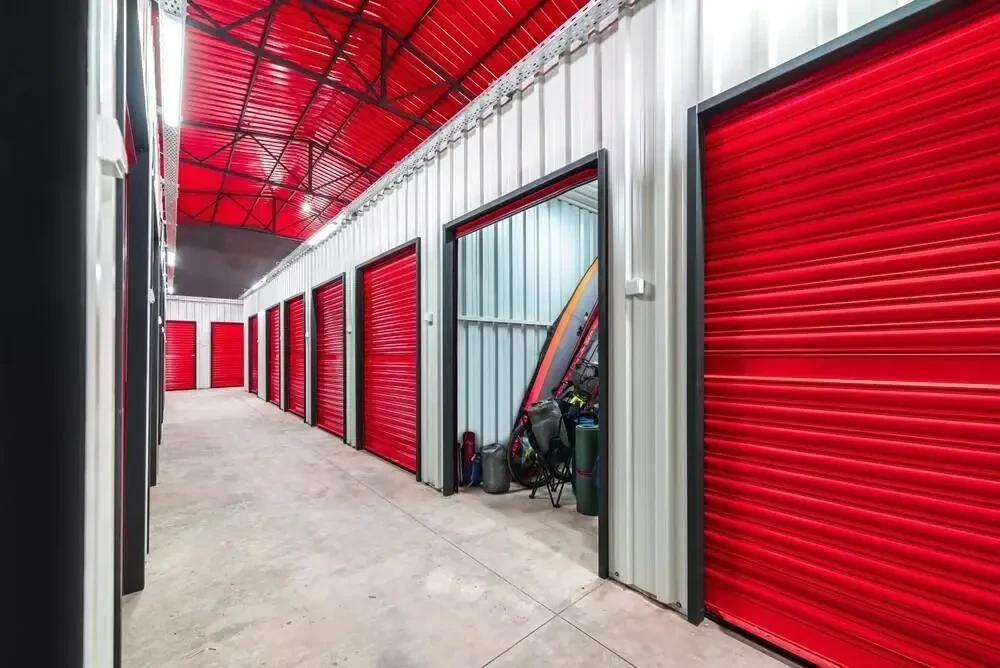
Benefits of hiring international homes moving and storage companies
Hauling from Canada to USA
With Three Movers, moving from Canada to the United States has never been easier. We transport more than eight million pounds of goods cross-border every year. So, you can have peace of mind placing your trust in us. Whether you’re relocating from Ontario to Oregon, Toronto to Tennessee, or Alberta to Arizona, you do not have to worry about transporting your household goods across the American border. That’s our job!
Just like if you were to move in the opposite direction cross-border, you will be assigned a dedicated haul coordinator to serve as your main point of contact. They will ensure that your move is arranged without delay and give you all the necessary paperwork for moving from Canada to the U.S. Every little detail of your relocation will be taken care of, including guiding you through the customs process.
Customs Clearance
If your belongings have been in your possession and only used by you for at least a year, they are permitted to pass through into the U.S. duty-free. Though, it’s important to keep in mind that if you do not declare new items or underestimate the value of something, the United States Customs Department can confiscate the and assess duties and/or charge a penalty.
So, if you plan to make any major purchases before moving to the United States, it’s best to compare the cost in the U.S. first. Since antiques have to be 100 years or older to qualify for duty-free entry, it may make more sense to wait to purchase the item(s) until you arrive in the U.S. Customs will ask for poor, so come prepared with an appraisal or original purchase receipt.
While U.S. Customs doesn’t generally charge duty on used personal items, there are some exceptions. Things like vehicles, photographic equipment, and consumable goods may be dutiable. For more information, you can speak with your nearest U.S. Consulate or consult with your personal haul coordinator at Three Movers. While the customs clearance process may seem overwhelming, that’s what we’re here for!
How Much the Cost to Move Cross Border?
On average, the cost of moving cross border is between $4,500 and nearly $7,000. Though, there is really no one-size-fits-all answer, as each move is unique. Whether you’re planning to relocate from the USA to Canada or vice versa, there are several factors that will influence the final cost of your move.
With that said, here are the major factors that influence the cost of International relocation:
- Transportation method – container shipping vs. air freight: The method of transport you choose has one of the biggest impacts on the cost of a cross border move. While air freight is the fastest and most convenient method, it is the most expensive. Whereas, container shipping via sea may take more time, it is the most cost-effective option. Regardless of whether you choose container shipping or air freight, moving trucks will likely still have to be implemented to perform the first and last leg of every shift.
- The distance of your move. The further that your belongings need to travel to reach their final destination, the more you’re going to pay.
- The size of your haul. Generally speaking, the bigger your move, the more expensive it’ll cost. In other words, the more stuff you have to haul, the more it’ll cost to haul it. This cost factor is determined based on the total weight and volume of your goods, which is especially important when it comes to overseas transport.
- Relocation route. While there are many transport routes that are common and frequently travelled, there are also some rare ones. International moves between Canada and the U.S. are relatively common. However, when either the start or end location (or both) is in a rural area, your move will cost more. By contrast, you can expect the more common routes to be cheaper because of the competition and demand. So consider all that in your budget.

Relevant Statistics
- Over 90% of cross border moving companies offer comprehensive packing and unpacking services.
- Cross border moving companies have an average customer satisfaction rate of 95%.
- Approximately 70% of International moves are completed within a week.
- More than 80% of foreign hauling companies provide insurance coverage for transported belongings.
- On average, International moving companies handle over 10,000 international relocations annually.
General Facts
- Cross border hauling companies specialize in helping individuals and businesses relocate their belongings across international borders.
- These companies provide services such as packing, loading, transportation, and unloading of goods during the move.
- They have expertise in navigating customs regulations and handling necessary paperwork for smooth cross-border hauls.
- Cross border moving companies typically offer both residential and commercial hauling services.
- Hiring a reputable International moving company can help ensure the safe and efficient transportation of belongings to a new country or region.
Your International Relocating Company
Fortunately, Three Movers specializes in foreign moving – whether it be from Canada to USA or USA to Canada. Our expertly trained employees and experienced professionals will handle all of the packing, crating, loading and unloading, transport, delivery, unpacking, and customs regulations for your cross-border relocation, giving attention to all necessary details.
So, if you landed here in search of cross border hauling companies, you’ve come to the right place. When you’re ready to get the process started, fill out our convenient online form or give our office a call at (888) 202-0036 to receive your free, no-obligation moving estimate. Our crew of foreign movers are always ready to serve you.
Contact us today to learn how you could save up to 20% when you choose Three Movers as your cross border movers!
Frequently Asked Questions
Cross border movers coordinate door-to-door transportation, customs paperwork, and regulated entry of household goods between countries. Services typically include packing, loading, inventory documentation, and bonded transport through required checkpoints. Factors such as move size, required customs declarations, access issues, and whether you need a full-service crew influence planning. Many customers pair this with a packing and unpacking service for safer handling during international transit.
Most cross border moves fall in the $3,000–$9,000 range for typical one- to three-bedroom households, with higher costs for long routes or complex customs processes. Pricing is shaped by weight or volume, distance, crew size, special items, customs brokerage needs, and seasonal demand. Moves involving elevators, tight urban loading zones, or long carries increase labor time. For U.S.–Canada routes, reviewing a long distance moving service estimate can help approximate total logistics.
: Most cross border shipments deliver within 5–14 days, depending on distance, customs clearance timing, and carrier availability. Weather conditions and port-of-entry traffic can extend the window slightly. Loading conditions, building restrictions, and the need for additional inspection can also influence timing. Routes between major metro areas such as Toronto, Vancouver, Chicago, or New York typically move faster because of more frequent linehaul schedules.
Yes, reputable companies prepare the inventory list, verify required documents, and submit forms needed for border authorities. Clearance requirements vary by country, but typically include valid ID, detailed item inventory, and any restricted-item declarations. Delays can occur if paperwork is incomplete or the shipment is chosen for secondary inspection. Many customers use a cross border moving service to help reduce errors and ensure smoother entry.
Most countries restrict hazardous materials, flammable liquids, perishables, open food containers, plants/soil, and certain chemicals. Some routes also regulate alcohol, firearms, or high-value collectibles. Movers may refuse items that are poorly packed or unsafe for transport. Review destination rules ahead of time so crews can load only approved items and avoid secondary inspections that slow delivery.
Common requirements include government-issued identification, proof of residence or visa status, and completed customs forms listing each household item category. Some locations require vehicle titles for auto transport, certificates for artwork, or receipts for high-value goods. Factors affecting document complexity include your citizenship, origin country, destination regulations, and whether the move is temporary or permanent.
Crews use export-grade packing, custom crating, and detailed labeling for fragile items to meet border-transport standards. They may wrap electronics separately, brace furniture for long-haul vibration, and document serial numbers for customs. Protection quality depends on crew skill, packing materials, and whether stairs, long carries, or tight elevators require extra handling. Pairing with a full service moving option ensures higher-level packing control.
Many providers offer vehicle transport, though cars are typically shipped separately from household goods. Requirements include original title, registration, and customs declarations confirming ownership. Timelines vary based on route, weather, carrier availability, and inspection procedures. Combining vehicle and household shipments may reduce scheduling complexity but still follows strict customs protocols.