Published by Chris Townsend
Last updated Dec, 30 2025
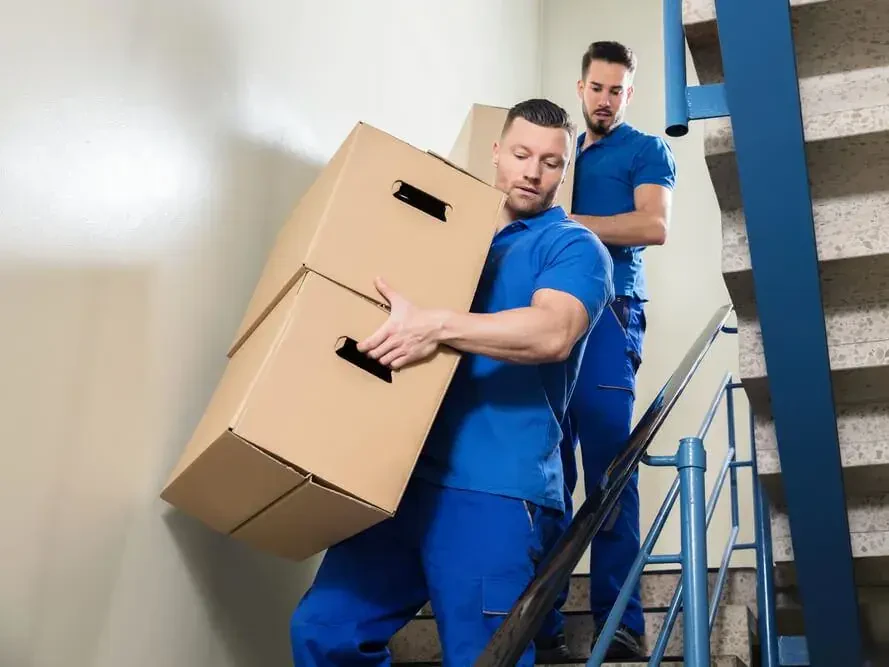
Relocation, also known as moving house, involves leaving one's current dwelling and settling in a new location. This process can encompass local, domestic, or international hauls, driven by various reasons such as employment opportunities, lifestyle changes, or educational pursuits.
The Common Terms for Relocation
Many people are familiar with relocation, but many terminologies obscure it. To understand the process, one must learn these standard terms. Transitioning people are called "movers" or "transferees." Shifters are usually individuals or families. However, transferees refer to employees at companies that are shifting.
Several other phrases matter. Shipping involves moving household goods. An Origin Agent is a relocating company representative who helps start the move at the original location. Destination Agents perform similar duties at the destination. These terms only scratch the surface of shifting terminology.

The Importance of Relocation in Today's World
Relocation is essential to personal and professional life in today's fast-paced global economy. It is crucial for those seeking better jobs, education, or opportunities. Beyond opportunities, it offers unique opportunities to embrace diverse cultural experiences, broaden horizons, and grow personally and professionally.
For businesses, it means expansion, new markets, or cost-effective operations. It helps companies strategically position themselves in profitable markets. Businesses can use shiftings to attract and retain global talent, diversify their teams, and increase competitiveness in the changing business landscape. Shifting has become essential in modern society.
Examining the Different Types
Relocation, in its broadest sense, can be classified into various categories based on distance, direction, motivation, and frequency. For starters, corporate or employment it is a common occurrence these days where employees are transferred to a new location for work reasons. Also, individuals often consider shifting due to educational opportunities and lifestyle changes, often termed personal relocation. A third type becoming increasingly prevalent is digital relocation, the movement of data and digital resources from one platform or server to another.
In international contexts, it is often grouped into two major types: internal and international. Internal shiftings involves moving within the same country, whether intercity or interstate. On the other hand, international hauling involves emigration from one country to another due to work, marriage, or retirement. Military and diplomatic relocations are unique types typically guided by government orders and agreements. Undeniably, the kind of movings significantly influences the shiftings process and the associated challenges.

Frequently Asked Questions
Relocation is also known as moving, moving house, resettlement, or transfer, depending on context. In everyday use, relocation usually refers to a planned move involving housing, logistics, and sometimes employer support. Unlike casual moves, relocation often includes packing, transportation, timelines, and destination setup. In the moving industry, relocation commonly overlaps with local, long-distance, or interstate household moves handled by professional providers.
Relocation and moving are closely related but not identical. Moving describes the physical transport of belongings, while relocation includes broader planning such as housing coordination, timing, documentation, and sometimes employer-paid services. Relocation is often used for job-related or structured moves. For a clearer breakdown, see the difference between relocation and moving.
In business contexts, relocation is often called employee transfer, job transfer, or corporate move. These terms describe moving an employee or team to a new city or state for work. Corporate relocation typically includes housing assistance, packing coordination, and delivery scheduling. Moves may be local, intrastate, or interstate depending on distance and company structure.
Relocation means changing your place of residence from one location to another. This can involve moving within the same city, to another state, or to a different country. It includes packing belongings, transporting items, and settling into a new home. Relocation is commonly used when the move is planned, structured, or tied to work, family, or long-term living changes.
Common relocation synonyms include move, move out, resettle, change residence, and move house. While these terms are used interchangeably in conversation, relocation usually implies a larger, more organized process. In professional moving services, the term signals advance planning, scheduling, and coordination rather than a quick or informal move.
The most common types of relocation are local relocation under about 50–100 miles, intrastate relocation within the same state, and interstate relocation across state lines. Each type involves different regulations, timelines, and pricing structures. Interstate relocations fall under FMCSA oversight and typically require more detailed planning and delivery windows.
Corporate relocation is employer-sponsored and focuses on moving employees for work, while personal relocation is self-initiated for housing or lifestyle reasons. Corporate moves often include professional packing, fixed delivery schedules, and policy-based support. Personal relocation usually offers more flexibility but requires direct coordination with movers. Learn more about corporate relocation movers.