Published by Chris Townsend
Last updated Dec, 02 2025
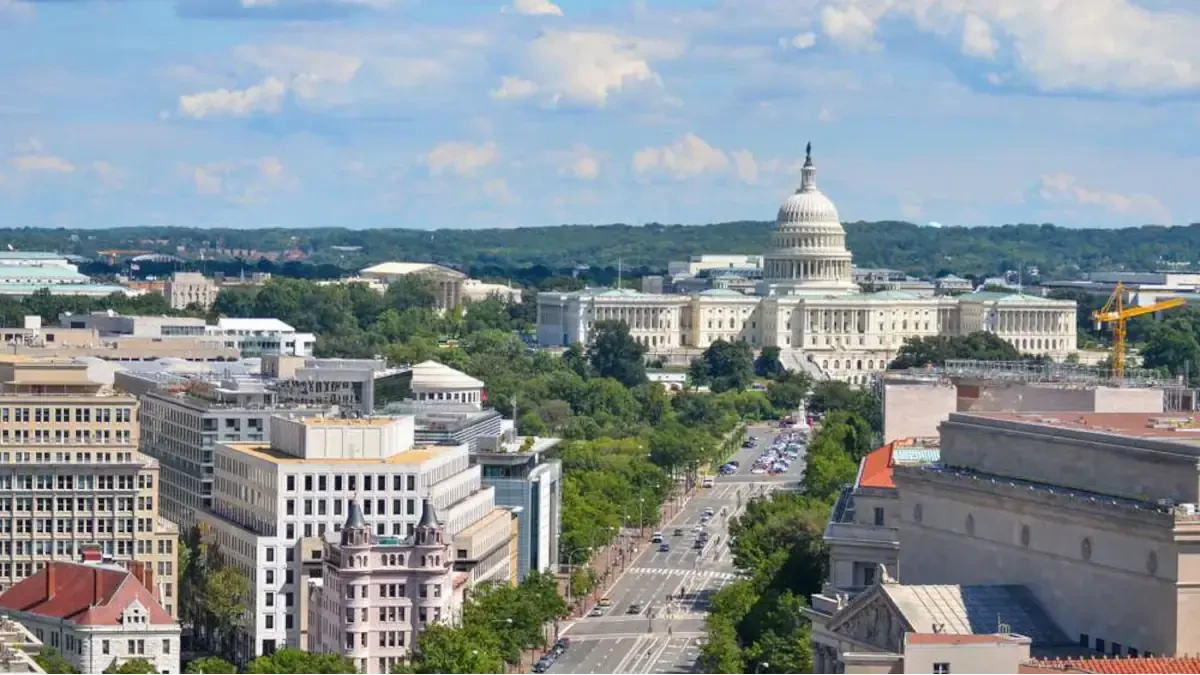
What happens if your mover parks on a Seattle street without the required “Temporary No-Parking” placard? Why must a Tacoma-bound truck carry both a UTC permit and a federal USDOT number? And how will new clean-truck rules at the Northwest Seaport Alliance affect international container moves after January 1, 2026? These questions matter because Washington enforces one of the most layered permit systems in the country. The state’s booming economy drew more than 313,000 inbound moves between 2020 and 2024, and regulators tightened rules to protect consumers and roads every step of the way. Fail to comply and officials can issue civil penalties of up to $5,000 per day or bar a truck from port terminals entirely. The good news: every permit you need can be requested online, many are approved the same day, and a professional team like ours can secure them all before the truck even rolls. Let’s walk through each requirement, from a simple city curb permit to the RFID tag your driver needs to clear security at Seattle’s docks.
Do You Really Need a Moving Permit in Washington?
Any company that moves household goods “for hire” within state lines must hold an active Household Goods Carrier Permit issued by the UTC. Operating without it is illegal, whether you’re hauling across town or staging boxes for a larger relocation. The permit number must appear on every published ad, estimate, and truck door panel. If your move crosses a state border, you must also register with the Federal Motor Carrier Safety Administration (FMCSA) and display both a USDOT number and an MC (operating-authority) number. Local city governments then add their own curb-space, right-of-way, or no-parking authorizations that cover the exact spot where the truck will sit. In short, almost every move through Washington requires at least three layers of paperwork: state, federal (for interstate), and municipal.
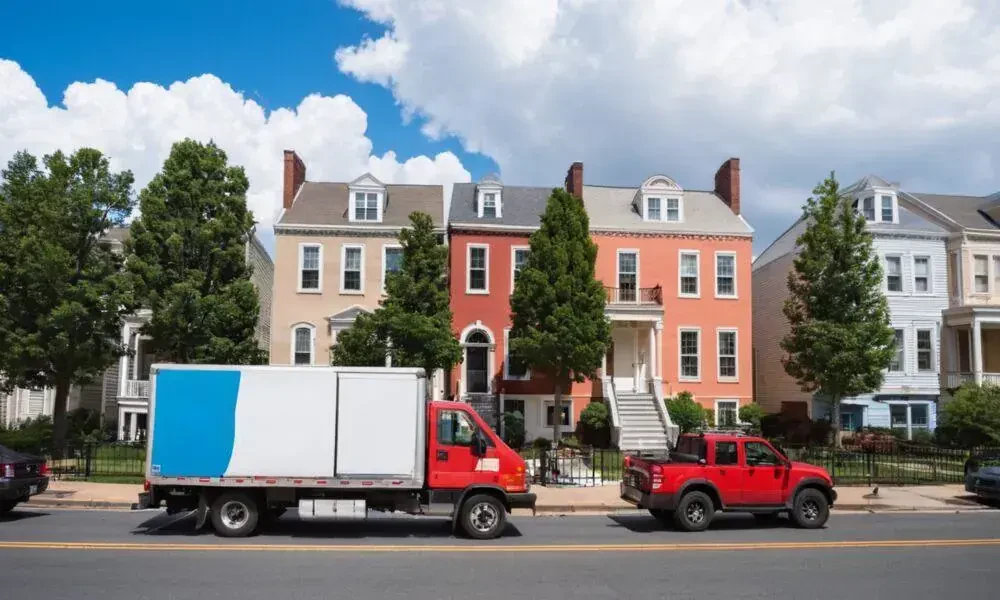
Washington makes it fairly simple — and absolutely mandatory — to get every truck, driver, and shipment covered by the right paperwork before a single box is loaded. You need a Household Goods Carrier Permit from the state Utilities & Transportation Commission (UTC) for local moves, federal USDOT and MC numbers for interstate hauls, city “No-Parking” placards so your truck can legally sit at the curb, oversize or overweight permissions from the state DOT when a load exceeds normal limits, and even RFID tags to enter Puget Sound seaport terminals. The rules are enforced with stiff fines (up to $60,000) and impoundments, yet each permit can be secured online in hours or even minutes. Below you’ll find every permit that touches a Washington move, step-by-step instructions, current 2025 fees, and the exact penalties for skipping a step. We also explain how we at Three Movers wrap all of this into one seamless service so you can focus on settling into your new home, not paperwork.
State-Level Licensing: Washington UTC Household Goods Carrier Permit
What the UTC Regulates
The UTC’s permit applies to intrastate moves only — anything conducted wholly within Washington borders. It covers advertising, loading, temporary storage-in-transit, and delivery.
Application Steps
- Mandatory Training: A company officer must attend a UTC-sponsored class before a provisional permit is issued.
- Form HG-1: File online or by mail, listing owners, insurance, equipment, and service territory.
- Financial Proof: Minimum cargo insurance of $10,000 per shipment plus public liability of $300,000 (combined single limit).
- Fees: $550 application fee; $100 annual renewal.
- Provisional Period: Operate for six months under close UTC monitoring before full authority is granted.

Penalties for Non-Compliance
UTC investigators routinely fine unpermitted movers. A 2023 Snohomish Superior Court action upheld a $60,000 civil penalty against an illegal operator who ignored a cease-and-desist order. Earlier UTC cases show fines of $5,000 per violation, with portions suspended only if the mover stays compliant.
Federal Licensing for Interstate or International Moves
If even one mile of your route leaves Washington, the truck must carry:
- USDOT Number: Issued by FMCSA; free but mandatory.
- MC Number (Operating Authority): $300 filing fee; grants permission to transport household goods across state lines.
- Unified Carrier Registration (UCR): 2025 fees start at $37 for fleets with up to two power units and must be renewed annually.
- BOC-3 Process Agent Designation: Names a legal agent in each state.
Failure to display current federal credentials can result in roadside out-of-service orders and fines up to $11,000 per day under 49 U.S.C. § 149 .
Local City Permits and Parking Reservations
Seattle – Restricted Area Truck & Temporary No-Parking Zones
Seattle requires a “Temporary No-Parking Permit” for the curb space plus a “Restricted Area Truck Permit” if you load in a commercial core. Fees run $16 to $50 per 40-foot zone per day, and applications must be posted at least 72 hours in advance so neighbors can see the notice.
Spokane
Spokane sells an online Temporary Parking Permit for $15 per day plus $18.70 in lost-revenue fees for each metered space you block- static.spokanecity.org.

Tacoma
Any curb work lasting more than 90 days — for example, a long renovation move — needs a Right-of-Way Occupancy Permit through Tacoma Permits- Tacoma Permits. Short-term moving trucks usually fit under the city’s simpler ROW use rules but must still post no-parking signs 48 hours ahead.
Bellevue, Everett & Small Cities
Most other Washington cities mirror Seattle’s model: pay a daily fee, post signage, and keep a printed copy on the dash. We handle these on your behalf so our truck can park legally the minute it arrives.
Oversize & Overweight Vehicle Permits
Large loads—oversized pianos, hot-tubs, or whole modular homes—often push a truck past Washington’s legal 8 ft 6 in width or 80,000-lb gross weight.
Permit Types & 2025 Fees
- Single-Trip Non-Divisible Load: $10 for 30 days; good to 14 ft wide, 15 ft high, 125 ft long.
- Fixed Load (heavy safes, generators): $70 for 30 days (3 axles).
- Self-Issue Limit: Up to 16 ft wide, 200,000 lb via WSDOT online portal.
Manufactured homes have their own month-to-annual permit at $30 per month, max 15 ft high × 15 ft wide × 75 ft long.

Escort & Night-Travel Rules
Loads over 12 ft wide, 14 ft 6 in high, or 105 ft long need pilot cars and may face daylight-only restrictions unless the permit states “night movement approved.” Escort drivers must pass an 8-hour course and renew certificates every three years.
Port & International Shipping Permits
Clean Truck & RFID Tags
The Northwest Seaport Alliance (Seattle & Tacoma) mandates that drayage trucks entering container terminals have 2007-model-year engines or newer and an active RFID tag. The rule tightens on January 1, 2026, when any truck without a compliant tag will be turned away. State regulators are also proposing incentives and flexible compliance pathways to speed the switch to zero-emission heavy trucks.
CBP & Export Paperwork
For overseas moves, United States Customs requires a Household Goods Descriptive Inventory, cargo security filing, and (for cars) EPA and DOT compliance forms. Washington’s ports follow these federal rules; no extra state export license is needed, but CBP can seize cargo if paperwork is incomplete.
Hazardous-Material Limitations
Washington aligns with FMCSA hazmat standards; residential movers rarely need a hazmat endorsement, but shipping gas-powered lawn equipment abroad triggers extra placards and permits.

Compliance & Enforcement
- UTC Fines: $5,000 per incident, with possible suspension of all but $1,500 if the mover stops operating illegally.
- Court-Ordered Penalties: Up to $60,000 for repeat violations.
- WSDOT Weigh-Station Citations: $4.25 plus $0.50 per additional 5,000 lb over 100,000 lb for overweight trucks.
- Port Denials: Non-compliant drayage trucks simply cannot enter, causing costly delays.
UTC agents also publish a public “Illegal Movers” list each quarter, making non-compliance a reputational as well as financial risk.
Quick Permit Checklist for Your WA Move
| Permit | When Needed | Issuing Agency | Typical Fee (2025) |
|---|---|---|---|
| Household Goods Carrier (intrastate) | Any paid move within WA | WA UTC | $550 application / $100 renewal |
| USDOT & MC Numbers | Crossing state lines or international | FMCSA | $0 / $300 |
| UCR | Every interstate carrier | UCR Plan | $37–$1,850 (fleet size) |
| Seattle Truck + No-Parking | Loading in Seattle core | SDOT | $16–$50 per day |
| Spokane Temp Parking | Loading curbside | Spokane Parking | $15 + lost revenue |
| Oversize/Overweight | Any dimension over 8' 6" or weight over 80k lb | WSDOT | $10–$90 (30-day); weight-based |
| Manufactured Home | Moving a mobile home | WSDOT | $30 per month |
| Clean Truck RFID | Entering Seattle/Tacoma terminals | NWSA | Free tag; engine year compliant |
(Fees verified February 2025.)
How Three Movers Keeps You Covered

We believe permits should never slow a move. That’s why we have a network of carriers that:
- File every UTC application when we open a branch in a new county, so our authority is always in force.
- Auto-renew federal UCR each October, guaranteeing our trucks show “current” at roadside checks.
- Pre-purchase city parking placards, post them 72 hours ahead, and place cones the morning of your move to reserve curb space.
- Use WSDOT’s self-issue system to secure oversize permits in under 15 minutes whenever we haul a grand piano or mobile home.
- Maintain RFID-tagged, 2018-or-newer port tractors, already compliant with the 2026 clean-truck rule.
Final Word
Moving is stressful enough without worrying about fines or towed trucks. When you book with Three Movers, every document above is handled long before moving day—so you can step into your new Washington address with total peace of mind. We have a network of reliable and professional Washington movers experienced in handling all types of moves from or to WA.
To book your move or for an instance free quote, call us now at (888) 202-0036.
Frequently Asked Questions
Most household moves in Washington do not require a special permit, but oversize or overweight trucks may need a state-issued permit. This typically applies when a move uses a larger commercial truck or when navigating restricted corridors. Enforcement is handled at the state and city level. Permit needs increase with truck size, street access, low-clearance routes, steep driveways, and urban loading rules. Long-distance or cross-state moves may involve additional coordination with an interstate moving service.
Washington trip permits can be obtained online through the state’s self-issue system or at designated in-person licensing partners. Trip permits are often used when a moving truck needs temporary legal operation, especially for larger vehicles. Factors influencing what you need include vehicle weight rating, route choice, time-of-day travel limits, weather conditions, and whether the move is local or interstate. When unfamiliar with state requirements, many customers coordinate through a professional long distance moving service.
A standard Washington trip permit generally costs about $33 for temporary vehicle operation, but oversize or overweight permits may cost significantly more depending on axle weight and route. Pricing changes based on vehicle class, truck weight, designated corridors, enforcement zones, and whether weekend/holiday movement is restricted. Moves that require 2–4 movers, heavy-item handling, or commercial-size trucks may require route checks similar to other states’ regulated corridors.
Oversize permits are required when a moving truck exceeds the state’s dimensional or weight limits. This is more common with large interstate haulers, 5-bedroom shipments, pianos, safes, or consolidated freight loads. Requirements vary with bridge capacities, construction zones, seasonal load restrictions, city congestion management, and whether residential streets allow heavy vehicles. Some customers coordinate both the oversize permit and the move using a full-service option like moving services.
Washington trip permits are usually valid for three consecutive days, giving enough time for most local and intrastate moves. Duration matters when planning moves over mountain passes, weather-sensitive routes, ferries, or areas with time-restricted loading windows. Larger household moves requiring packing and unpacking service often schedule the permit window to align with the loading day and expected delivery timeline.
Some Washington cities and municipalities issue their own street or curbspace permits for loading zones, especially in dense areas. Rules change based on downtown congestion, event scheduling, narrow streets, parking scarcity, and residential neighborhood restrictions. Seattle, Spokane, Tacoma, and similar metros sometimes require specific curb-use reservations. Local moves using a smaller truck may avoid these restrictions, but full-service moves, such as those booked through apartment movers often require advance coordination.