Published by Chris Townsend
Last updated Jul, 09 2026

Moving insurance comes in two forms: carrier valuation, which interstate movers must offer by law, and third-party moving insurance, which you purchase separately from an insurance provider. While carrier valuation is not true insurance, both options help determine the compensation you may receive if your belongings are damaged during a move.
If your flat-screen TV is damaged during the move, will you receive its full replacement value or only a small reimbursement? The answer depends on the type of protection you selected before moving day.
Many people planning a move confuse carrier valuation with true moving insurance. Understanding the difference helps you choose the right level of protection for your belongings before moving day.
Three Movers connects you with trusted, licensed moving companies nationwide and helps you compare reliable options for your move. This guide explains what moving insurance covers, the differences between valuation and third-party insurance, and how to choose the right protection for your situation:
- Understand the legal difference between carrier valuation and third-party moving insurance.
- Compare Released Value Protection and Full Value Protection with simple examples.
- Learn about common coverage exclusions, including packed-by-owner boxes.
- Follow practical steps before moving day to help reduce the risk of denied claims.
Carrier Valuation vs. True Moving Insurance: What's the Difference?
You can pay for additional protection during a move without purchasing a traditional insurance policy. For interstate moves, federal regulations require movers to offer carrier valuation, which defines the company's financial responsibility if your belongings are lost or damaged during transit. Third-party moving insurance, on the other hand, is purchased separately through a licensed insurance provider.
Third-party moving insurance is a separate policy purchased from a licensed insurance provider. Unlike carrier valuation, which is based on the mover's contractual liability, third-party insurance follows the terms of the insurance policy itself. Understanding this distinction helps set realistic expectations about the compensation you may receive if an item is damaged during your move.
Requirements for local moves vary by state, but interstate moves are regulated by the Federal Motor Carrier Safety Administration (FMCSA). If you're moving across state lines, your mover must offer carrier valuation rather than traditional insurance. These valuation options generally fall into two categories: Released Value Protection and Full Value Protection.
Why Understanding the Difference Matters
Choosing the right type of protection affects both your out-of-pocket costs and the compensation you may receive if something goes wrong during your move. Understanding the difference between valuation and insurance helps you make a more informed decision before signing your moving agreement.

What Released Value Protection Actually Covers
Released Value Protection provides compensation based on an item's weight rather than its replacement value. For example, a $1,200 television could qualify for only $6 in compensation if it weighs 10 pounds. Here's how that calculation works:
- 10-pound TV: 10 lbs × $0.60 = $6.00
- 2-pound laptop: 2 lbs × $0.60 = $1.20
- 200-pound dresser: 200 lbs × $0.60 = $120.00
Even though heavier items receive higher compensation under this formula, the payout may still fall well below the actual replacement cost of many household belongings.
Released Value Protection may be a reasonable option if:
- You're primarily moving heavy, lower-value household items.
- Your homeowners or renters insurance may already provide limited off-premises coverage.
- You're comfortable accepting lower compensation in exchange for avoiding additional protection costs.
Because compensation is based on weight rather than replacement value, many customers are surprised by how little they receive after filing a claim. If you're looking for broader protection for higher-value belongings, Full Value Protection may be a better fit.
Full Value Protection: What This Moving Coverage Actually Pays
Imagine your coffee table arrives damaged after the move. If your claim is covered under Full Value Protection, the moving company generally resolves it in one of three ways:
- Repair: The mover repairs the damaged item whenever practical.
- Replacement: The mover replaces the item with one of similar quality and value.
- Cash Settlement: The mover compensates you based on the approved value of the claim when repair or replacement is not appropriate.
Full Value Protection typically requires an additional fee, and some movers may also apply a deductible depending on the protection option you choose. Costs vary by company, shipment value, and the level of coverage selected.
One important limitation involves high-value items, often referred to as extraordinary value articles. Belongings worth more than $100 per pound, such as jewelry, artwork, collectibles, or expensive electronics, typically must be declared in writing before the move to qualify for coverage under Full Value Protection.
If you're transporting valuable possessions, review your mover's requirements carefully and make sure any required declarations are completed before moving day. For especially valuable or irreplaceable items, you may also want to consider transporting them separately or purchasing additional third-party insurance.
Why Moving Insurance Claims Get Denied
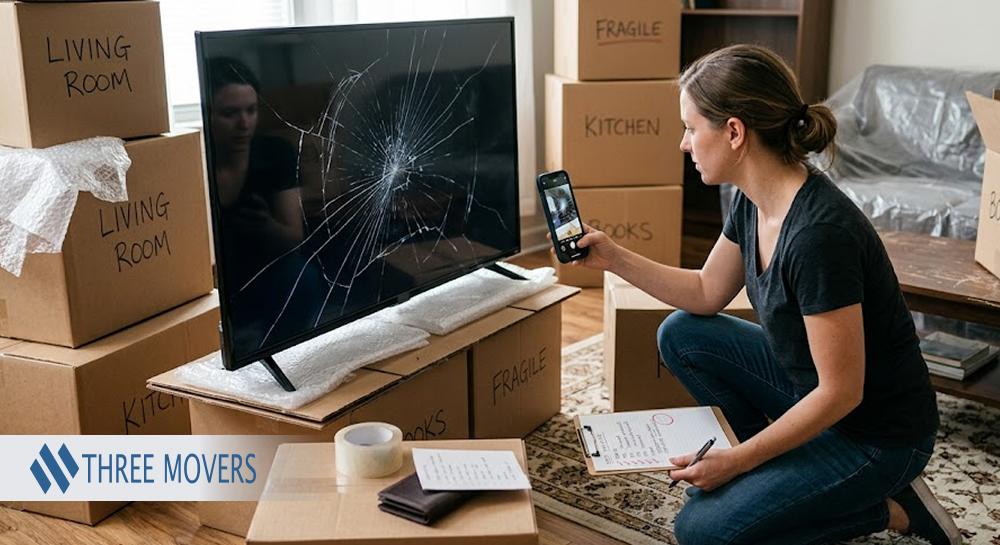
Many denied claims come down to misunderstandings about what is—and isn't—covered. Knowing the most common exclusions and documentation requirements before moving day can help you avoid unexpected surprises if you ever need to file a claim.
The most common claim denial reasons:
Packed by Owner (PBO)
If you pack your own boxes, movers may deny damage claims unless there is clear evidence that the box itself was damaged during transit.
Pre-Existing Damage
Existing damage noted on the inventory sheet before the move generally won't be covered later. Review the inventory carefully before signing.
Missed Deadlines
Interstate claims generally must be submitted in writing within nine months of delivery. Local claim deadlines vary by state and may be much shorter.
Undeclared High-Value Items
Belongings worth more than $100 per pound typically need to be declared before the move to qualify for higher levels of protection.
Excluded or Limited-Coverage Items
Cash, jewelry, medications, important documents, and certain collectibles may be excluded or subject to limited coverage, depending on your valuation option or insurance policy.
How to Reduce the Risk of Claim Issues
Before moving day, take these practical steps:
- Photograph high-value items and log serial numbers before packing.
- Keep receipts and official appraisals accessible.
- Have professional movers pack especially fragile items whenever possible, as this may provide stronger claim support than owner-packed boxes.
- Review the inventory sheet before signing and request corrections if you notice inaccurate damage notes.
- Inspect your belongings as soon as they are delivered, document any visible damage, and report concerns immediately according to your mover's claim process.
How to Choose the Right Moving Insurance for Your Next Move
The right level of moving protection depends on the value of your belongings, who will pack them, and whether you're moving locally or across state lines. Use the framework below to compare your options before signing your moving agreement.
- Inventory Value: Released Value Protection may be appropriate if you're moving mostly heavy, lower-value items. Full Value Protection is often a better choice for furniture, electronics, and other higher-value household belongings.
- Packing Plan: Items packed by the homeowner may have more limited claim protection. If you're transporting fragile or valuable belongings, consider having professional movers pack them or purchasing supplemental third-party insurance.
- Move Distance: Interstate moves typically involve more handling and longer transit times, making broader protection worth considering. For shorter local moves with lower-risk inventories, Released Value Protection may be sufficient.
Final Checklist Before Moving Day
Use this quick checklist before your belongings are loaded onto the truck:
- Create an Inventory: Photograph valuable belongings, record their condition, and keep receipts or appraisals whenever possible.
- Review Your Paperwork: Make sure your selected valuation option is clearly indicated on the bill of lading and any related moving documents.
- Understand the Claims Process: Ask your mover about deductibles, claim deadlines, exclusions, and any documentation you'll need if you file a claim.
Planning ahead can help you avoid unexpected surprises on moving day. For additional preparation tips, explore our moving checklist. When you're ready, compare quotes from vetted, licensed movers through Three Movers to find the right fit for your relocation.
Frequently Asked Questions
Some homeowners and renters insurance policies provide limited protection for personal belongings while they're away from your home, but coverage varies by insurer and policy. In many cases, accidental damage that occurs during handling or transportation is not covered.
Some policies also limit off-premises coverage to a percentage of your total personal property limit. Before moving, contact your insurance provider to confirm what is included and ask whether a trip-transit endorsement or scheduled personal property coverage is available.
Rental truck damage waivers typically protect the rental vehicle—not the belongings inside it. Likewise, many credit card rental benefits don't apply to commercial moving trucks or box trucks.
If you're planning a DIY move, ask the rental company whether they offer optional cargo protection for your household belongings during transit.
Third-party moving insurance may be worth considering if you're transporting expensive electronics, artwork, antiques, collectibles, or other valuables that exceed standard carrier liability limits.
Before purchasing a policy, review the coverage requirements carefully. Some insurers require professional packing or have exclusions for owner-packed boxes.
If you're comparing moving companies, ask about the valuation options they offer and whether supplemental third-party insurance may be appropriate for your move.
For interstate moves, federal regulations generally allow you up to nine months from the delivery date to submit a written claim to the moving company.
For local moves, claim deadlines vary by state and may range from 30 to 90 days or follow different requirements altogether.
Inspect your belongings upon delivery, document any damage with photos, note it on the delivery paperwork whenever possible, and begin the claims process as soon as practical.
If your mover denies your claim or offers a settlement you believe is unfair, ask for the decision in writing and request information about the company's dispute resolution or arbitration process.
Support your claim with detailed documentation, including pre-move and post-move photos, inventory records, receipts, and any written communication related to the shipment.
For interstate moves, you can also review complaint and dispute resolution options through the Federal Motor Carrier Safety Administration (FMCSA) if you cannot reach a satisfactory resolution with the moving company.
Understanding the difference between carrier valuation and third-party moving insurance can help you make more informed decisions before moving day. By choosing the right level of protection, documenting your belongings, and understanding the claims process, you'll be better prepared if unexpected damage occurs during your move.
Three Movers helps you compare licensed, vetted moving companies nationwide, making it easier to find professionals who offer the level of protection and service that best fits your relocation needs.