Published by Chris Townsend
Last updated Jan, 07 2026
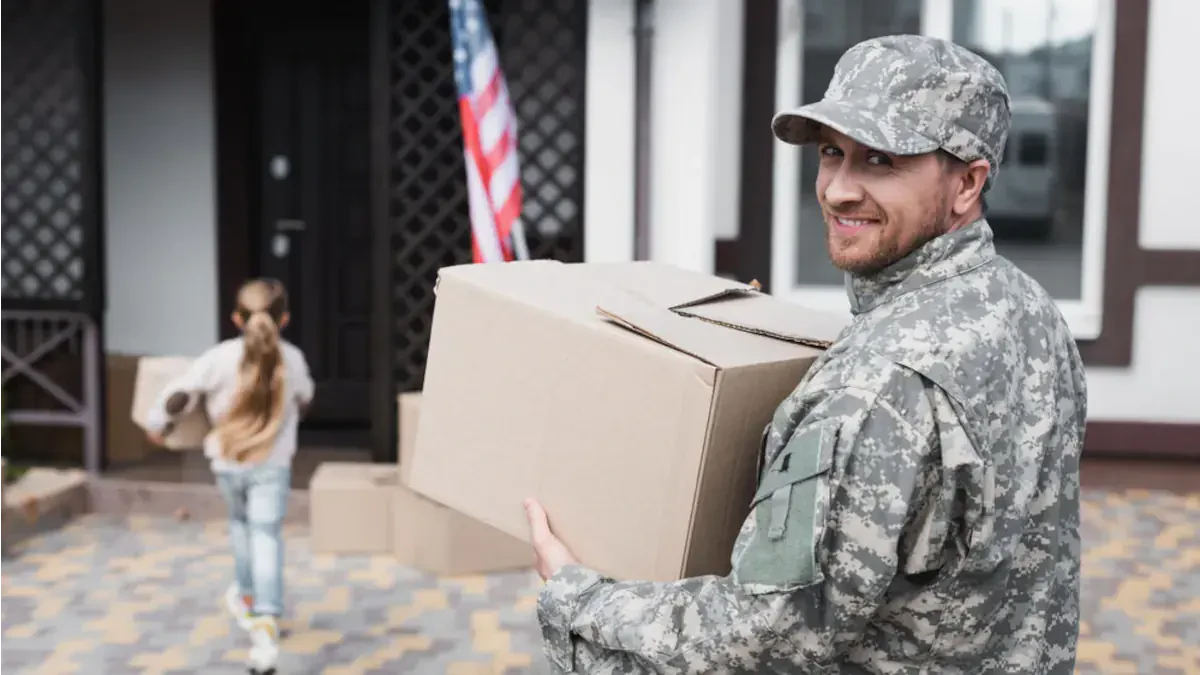
Military Moving Tips
Military hauling comes with its own unique set of challenges. Luckily, there are plenty of avenues for assistance along the way, which can do a lot to minimize the stress and make things easier for you and your family. Here are some of the best tips and approached to help make your next military move an easy one.
Take Advantage of Available Resources
There are plenty of resources available to help you after you’ve received your PCS orders. Take advantage of the help by reaching out to the appropriate places. Two great resources that you can access online are Plan My Move and Relocate. Mil. Plan My Haul will help you stay organized by giving you a checklist of things you’ll need to do leading up to your relocate, which can be invaluable. It’s a very easy to use site and is a good starting point if you’ve just received your PCS orders. Shift. Mil is the official online moving portal for the DoD, which has a lot of helpful resources and helpful links. Between these two resources, you’ll be able to find the majority of help and information you want.
Set Up A Sponsor
Another good resource that’s available to you is a sponsor for your shift. A sponsor is someone who can help guide you through various aspects of your relocation and provide answers to questions you have, both of which can be very helpful while you juggle everything else that goes into a military transfers. Having someone you can count on to direct you to the right resources and help you along the way is one of the best ways you can take the stress out of a difficult transition.
Three Men & A Truck is one of the most experienced military relocates companies in the industry with years of experience relocating individuals and families around the world. If you’d like a FREE moving estimate today, don’t hesitate to call us at (888) 202-0036 or use our online form to request a FREE price quote!

Stay Organized
One of the keys to making your shift easier to stay organized throughout the process. That means starting early and having a clear idea of what you need to do at every juncture. One of the best ways to stay on task is to start a shifting binder that contains everything you’ll offers to do before, during, and after your move. Be as thorough as possible and continue to add to you checklist of things to do as you go along. Don’t forget to include plans for meals so that you don’t have throw away food before you transfer.
Make An Inventory List
A key part of your binder should be an inventory list of what you plan to take with you. At first, you may be tempted to take a lot more than you want, but if you start planning early enough, you’ll give yourself time to eliminate the things that aren’t really necessary. Again, this is something you’ll want to start early so that you have time to amend the list before your move.
Gather Documents
Among the most important things you need to have in order before your shift are the documents you’ll offers. Include these in your inventory list and double check that you have the most important paperwork such as your PCS orders, ID and passports, medical and housing information, and anything else you’ll want to navigate your daily life after you relocate.
Frequently Asked Questions
Start early and organize orders, housing, and transportation as soon as PCS dates are issued. Keep digital copies of orders, inventories, and receipts. Plan pack-out around weight limits, delivery windows, and base reporting dates. Scheduling weekday pack-outs reduces traffic delays and missed time windows. For state-to-state relocations, working with an experienced interstate moving service helps ensure compliance with FMCSA and military shipment rules.
A DPS move is managed through the Defense Personal Property System, which assigns approved carriers after orders are uploaded. Members select packing, pickup, and delivery dates, then verify inventories and condition reports. Packing usually takes 1–3 days, while long-distance delivery may take 5–14 days. Accurate documentation is essential to avoid claim issues during government-arranged household goods shipments.
Military movers will not pack hazardous or restricted items such as flammables, aerosols, cleaning chemicals, propane tanks, perishable food, or live plants. Important documents, medications, jewelry, and personal electronics should stay with you. Separating prohibited items before pack day prevents delays and inventory errors, especially when coordinating shipments through approved military carriers.
Keep essentials accessible and maintain routines during the move. Label children’s boxes clearly and set aside comfort items for the first night. Research schools and healthcare providers before arrival. Build extra buffer time around delivery dates to avoid overlap with reporting deadlines. Families benefit from structured timelines and early decluttering using a clear moving checklist.
Reducing stress starts with clear planning and realistic expectations. Confirm contact details for movers, document high-value items, and understand whether the move is local, intrastate, or interstate. Build cushion days for delays and temporary lodging. Staying organized and informed about claims procedures minimizes last-minute disruptions during high-tempo relocation periods.
Yes. OCONUS moves require customs forms, shipping schedules, and stricter packing rules. Transit times often range from 30–90 days depending on destination and port access. CONUS moves are faster but still require strict weight and inventory accuracy. Military families relocating overseas often coordinate partial shipments and storage with specialized international moving and storage providers.