Published by Chris Townsend
Last updated Dec, 30 2025
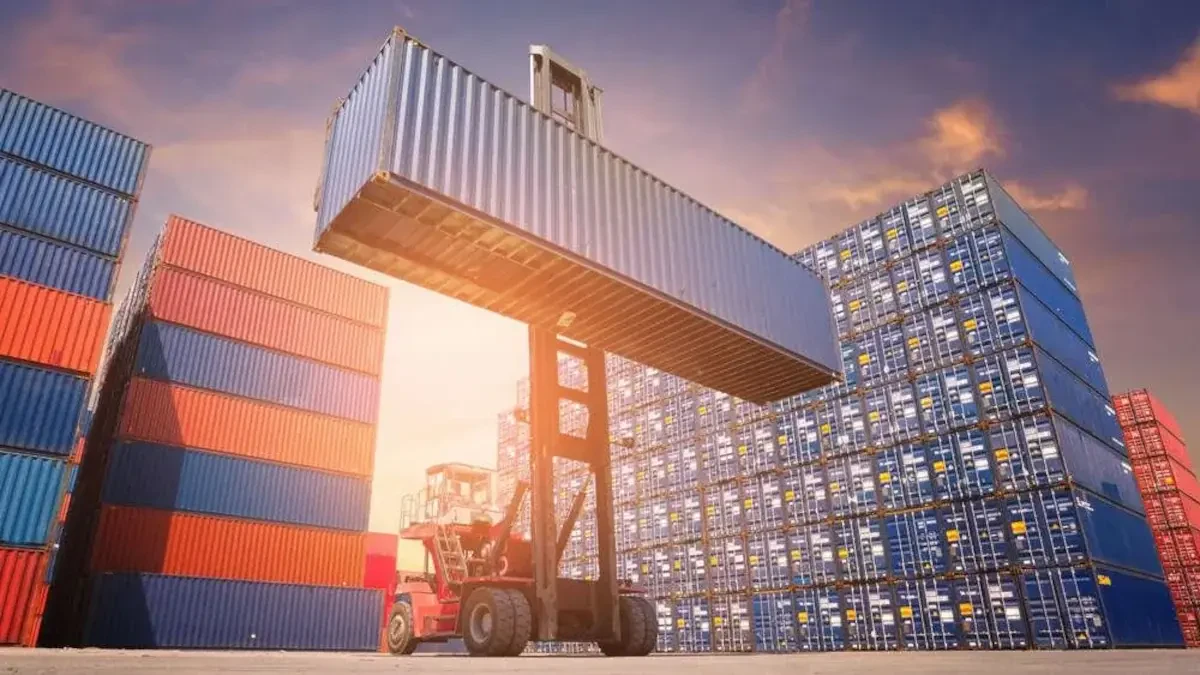
Shipping a 40-foot container from China to the USA typically costs between $2150 and $4850. The timeline can vary depending on the specific route taken.
Container shipping is a cornerstone of global trade, ensuring the efficient transportation of goods across vast distances. These robust steel structures, available in standardized sizes like the 20-foot (TEU) and 40-foot (FEU) variants, facilitate the movement of diverse products, from electronics to cars. The intricate dance of loading, transporting, and unloading these containers is a testament to the intricate logistics of international commerce. Understanding the costs associated with such shipments, especially popular routes like China to the US, is essential for businesses and individuals.
Key Factors Influencing the Shipping Cost
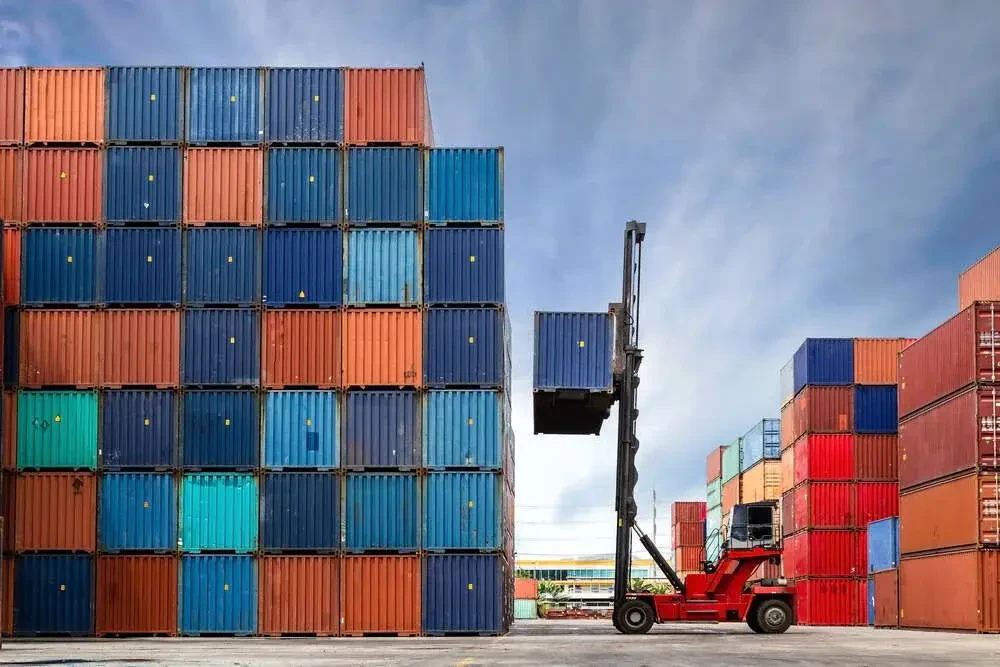
A myriad of variables influences the cost of hauling. One of the main factors is the distance between the origin and destination. Longer routes naturally require more fuel and time, thus resulting in higher expenses. The size and weight of the cargo also play crucial roles as they determine the type of ship to be used and the space it would occupy. Both these dimensions have a direct impact on the overall price.
Other underlying factors govern the fee of relocating. Fluctuations in fuel prices can profoundly affect the price, as fuel is a significant operational expense in sea freight. The demand and supply of cargo spaces at any particular point in time also tend to shift the balance. During peak seasons, prices shoot up when demand exceeds supply. Similarly, prices may dip during slack seasons. Thus, shipping costs are not constant and can be influenced by various elements.
The Role of Freight Forwarders
Freight forwarders play a crucial part in the process. As intermediaries between the shipper and the various transportation services involved, they help simplify the complex task of organizing the shipping of goods from one place to another. Think of them as the middlemen of the logistics industry; their primary role is to negotiate the best routes, methods, and costs on behalf of the shipper.
Freight forwarders can deliver cost-effective solutions and a smooth experience through their expertise. In addition to negotiating contracts, Forwarders assist in preparing necessary shipping documentation, fulfilling customs requirements, packing goods appropriately, and tracking the shipment as it arrives. Their services can significantly reduce or eliminate the burdens associated with hauling, making them an advantageous associate to those venturing into the complex world of container carrying.
Frequently Asked Questions
Shipping a 40 foot container from China to the U.S. typically costs $3,500–$7,500 for ocean freight only. Rates vary by origin port, U.S. destination, seasonality, and carrier capacity. West Coast ports such as Los Angeles or Long Beach are usually cheaper than East Coast ports. This price is port-to-port and excludes customs duties, taxes, insurance, and inland delivery. Door-to-door pricing is higher and often coordinated through 40 foot shipping container movers.
Container shipping rates are driven by container size, port pairs, time of year, fuel surcharges, and global vessel availability. Peak shipping seasons before major U.S. holidays raise costs, while congestion, customs exams, and blank sailings add delays and fees. Inland rail or trucking after arrival can significantly increase total cost. These shipments follow international freight regulations overseen by U.S. maritime and transportation authorities and are commonly compared alongside international moving costs.
Yes. Shipping a 40 foot container to the West Coast is typically $1,000–$2,000 less than shipping to East Coast ports. East Coast routes involve longer transit times, Panama Canal fees or extended sailing distances, and higher port handling costs. Additional rail or truck transport from port to final destination can further raise East Coast totals, especially for inland states.
Most container shipping quotes include ocean freight, basic terminal handling, and carrier documentation fees. They usually exclude customs duties, import taxes, cargo insurance, port storage, demurrage, and inland delivery. Door-to-door quotes bundle port-to-home transport and scheduling. Reviewing line items carefully helps compare container shipping cost accurately with broader moving overseas shipping costs.
Transit time averages 14–20 days to the U.S. West Coast and 25–40 days to the East Coast. These estimates reflect ocean transit only. Customs clearance, port congestion, inspections, weather disruptions, and inland rail or trucking can add several days. Peak seasons often extend timelines due to higher container volumes and limited vessel space.
Yes. Container shipping prices can change weekly or even daily due to global demand, fuel costs, carrier capacity, and geopolitical disruptions. Spot rates fluctuate more than contract rates, especially during peak seasons. Shippers often monitor container shipping rates closely or use calculators to estimate timing-sensitive imports and manage overall landed costs more accurately.