Published by Chris Townsend
Last updated Dec, 12 2025

Imagine relocating under the gentle sway of palm trees—from a condo in Honolulu to a home on Maui. It might seem like a breeze, but did you know Hawaii’s island geography, state highway rules, and municipal ordinances create a multi-layered moving puzzle? For instance, any move involving oversized vehicles triggers state DOT permits, in addition to Federal requirements for out-of-state shipping. Even intrastate movers must register with the Hawaii Public Utilities Commission (PUC) and maintain proper tariffs and insurance.
Instead of stressing over paperwork, focus on your fresh start. At Three Movers, we match you with trusted partners who understand Hawaii’s specific landscape and rules—so your move stays on track, from local regulations to ocean-crossing logistics. Let’s dive into what you really need to move with confidence in Hawaii.

Intrastate Moves: Hawaii PUC Licensing & Insurance
All movers transporting household goods between islands or within an island must be:
- Licensed by the Hawaii Public Utilities Commission (PUC) with a valid PUC number.
- Carrying cargo and liability insurance, with proof filed and available for inspection.
- Filing a tariff of publicly available rates for transparency.
- Issuing a Bill of Lading, detailing addresses, services, and costs.
Without PUC licensing, your mover may be operating illegally—putting your goods and wallet at risk.
City & County Permits: Local Trucking Rules
Hawaii’s municipalities have rules—especially for moves in urban or congested areas.
- Some counties require right-of-way or occupancy permits when a moving truck blocks a lane or curb space.
- County-specific permits (e.g., Maui) exist for oversized vehicles during local moves.
Fees range from small admin charges to larger inconvenience fees. Three Movers ensures your move aligns with local parking and building regulations—no surprise citations, no tow trucks.
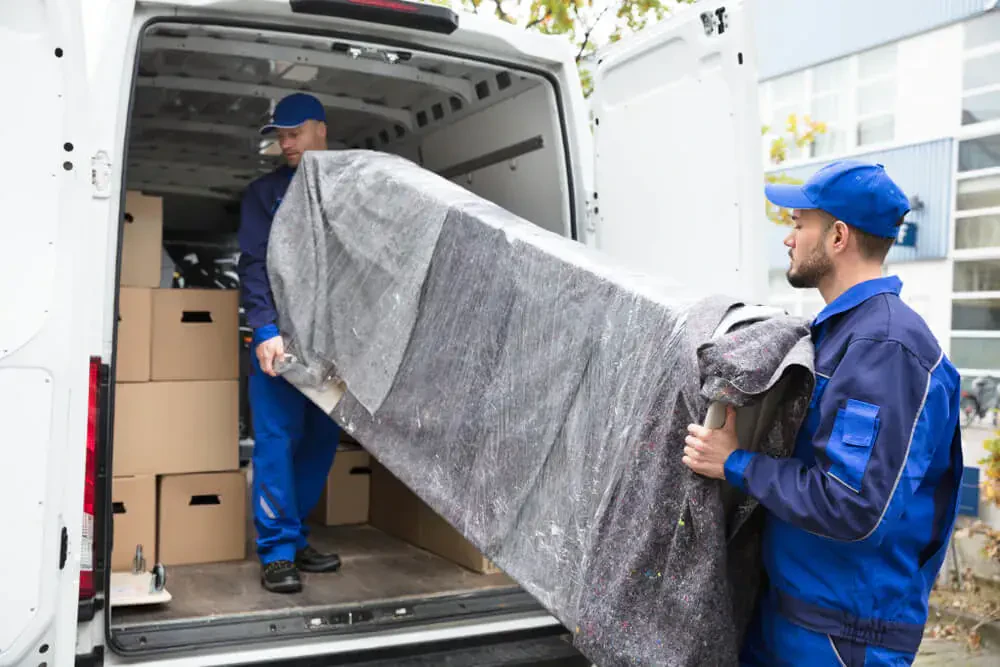
State-Level Oversize & Overweight Permits
Hawaii regulates any vehicle or load exceeding:
- Width: 9 ft
- Height: 13 ft 6 in
- Weight: 80,000 lbs GVW
To transport oversized loads on state highways, you need:
- A DOT Overweight/Oversize permit, submitted to the relevant island district.
- A certificate of insurance on file with HDOT.
- Support documents like route sketches, load specs, and vehicle details.
- Escort vehicles or pilot cars for loads wider than 12' or taller than certain limits.
- Time restrictions: daylight hours unless otherwise allowed.
- Route-specific signage (e.g., “WIDE LOAD”) and flags on overhangs.
Permit fees vary ($5–$25 for standard, higher for annual or mobile-home loads), and processing may take a few weeks. Complex loads may even need engineering review or bridge studies .
Interstate Moves: Still Federal Rules Here
Even with island-to-island jobs, any move that crosses state lines (e.g., from California to Hawai‘i via ship) must comply with FMCSA federal requirements.
- The interstate mover must have a USDOT number and, for household goods, an MC number.
- They must maintain FMCSA-compliant federal insurance filings (BMC-91/BMC-91X).
- Their safety ratings must be current and accessible via FMCSA’s SAFER system .
For your peace of mind, Three Movers only works with federally authorized and insured carriers—whether your move crosses the ocean or state lines.

International Moves: Crossing Oceans and Borders
Relocating internationally from Hawaii involves extra steps:
- Domestic trucking to port (Honolulu, Hilo, Kahului).
- Certification: domestic mover holds PUC & FMCSA authority; international porter holds FMC OTI registration.
- Inventory manifest and customs documents tied to passports/visas.
- Container/crate prep, customs clearance, destination delivery arrangement.
This full chain—from Waikiki to world—is coordinated by carriers experienced in Hawaii exports. Three Movers ensures each partner has the right credentials, so your door-to-door move is handled track by track.
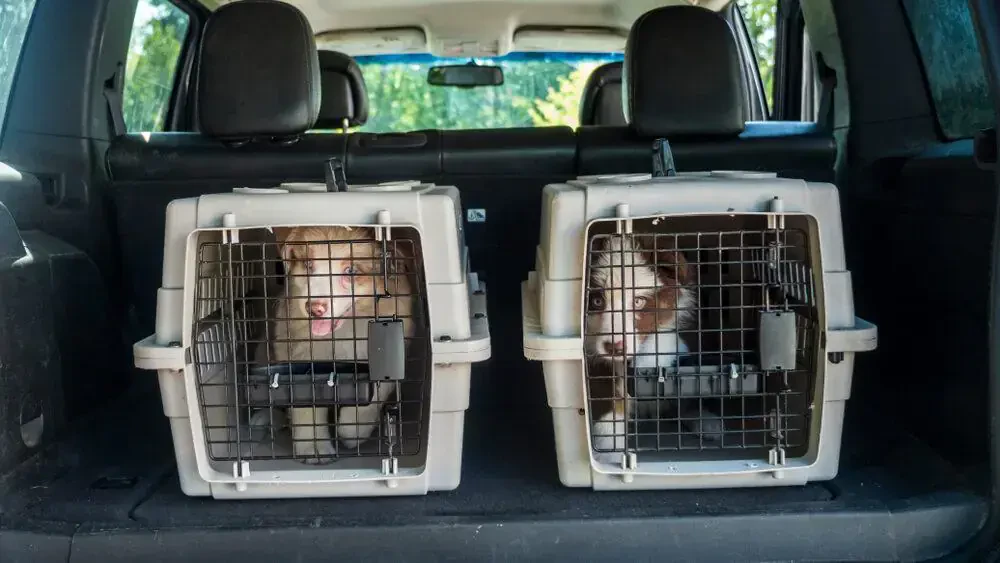
Animal or Livestock Moves: Special Permit Needs
Moving animals—even pets—inter-island requires veterinary documentation:
- Livestock require DC-44 movement certificates under Hawaii Department of Agriculture rules.
- Permits apply to quarantined animals under State Veterinarian protocols.
- Carriers may also need air or sea transport permits beyond typical moving licenses.
We can connect you with carriers versed in animal logistics and compliant with HDOA protocols.
Military, University & Government Moves
Moving due to military orders, state contracts, or university relocation means handling:
- DP3 compliance for military/PDF moves.
- Scheduling aligned with PCS orders or campus move windows.
- Insurance documentation often required by property management or government payers.
We coordinate every step—from DOD scheduling to university ramp permits—to keep your move ahead of deadlines and requirements.
Commercial Moves: Office & Retail Logistics
Office or commercial relocations may involve:
- Certificate of Insurance naming building or management.
- Elevator reservations, off-hours or weekend permissions.
- Sidewalk/parking occupancy permits to cover heavy equipment.
Three Movers organizes logistics so your carrier presents all paperwork and access clearance, avoiding disruption to your business flow.

How to Verify Your Mover’s Credentials
Ensure your mover is legit:
- PUC license: ask for their Hawaii PUC number.
- Insurance proof: see both liability and cargo certificates.
- FMCSA verification: check USDOT/MC on SAFER.
- Oversize permit readiness: confirm they'll file DOT permits for heavy moves.
- International/FMC credentials, if going global.
Let us handle it—Three Movers only matches you with vetted and credential-verified carriers.
Why All This Paperwork Matters
⏰ Avoid Delays
Unlicensed moves, oversized trucks parked illegally, or missing permits can stall your day—or week.
🛡 Ensure Coverage
Licensed moves keep your valuables insured. Unlicensed ones may leave you holding the bag.
❌ Skip Fines & Confiscation
Unpermitted vehicles can get ticketed or towed—even unloaded.
🧠 Reduce Hassle
From county discounts to island quirks, your job should be to plan—not chase permit offices.
HI Pre-Move Checklist
| Step | Task | Responsibility |
|---|---|---|
| 1 | Verify PUC license & tariff | Carrier / We confirm |
| 2 | Secure city/county parking permits | County / We coordinate |
| 3 | File DOT oversize/overweight permits (if applicable) | Carrier / We assist |
| 4 | Confirm FMCSA USDOT & MC | Carrier / We verify |
| 5 | Arrange pilot cars or escorts for wide/heavy loads | Carrier / We handle |
| 6 | Check inventory for livestock/pets | HDOA / We guide |
| 7 | Align with DPSU, base, or campus move policies | Movers / We coordinate |
| 8 | Collect COI & building permissions for commercial moves | Carrier / We assist |
| 9 | Coordinate international export documentation | Intl carrier / We support |

Final Take: Your Hawaii Move—Relaxed, Compliant, Seamless
Between island DOT rules, county congestion, federal crossings, and ocean exports, Hawaii moves demand precision. Skipping steps risks fines or worse—your things left behind.
At Three Movers, we match you with fully compliant carriers who know these layers. Whether moving furniture across Oahu, a piano to Kauai, a vehicle to the mainland, or a family overseas—you’re covered, credentialed, and in good hands.
Let’s make this Hawaiian move one to remember—minus the stress, paperwork, and delays.
Key Sources
- Hawaii PUC mover licensing, tariff, and insurance requirements
- Hawaii DOT oversized/overweight permit rules and fees
- International FMCSA/FMC credentials info
- Hawaii Animal Industry Division livestock transport hdoa.hawaii.gov
Frequently Asked Questions
Hawaii moving permits are state-issued authorizations that allow moving trucks or oversized vehicles to use specific streets or highways for relocation purposes. They help manage limited road space, protect infrastructure, and ensure public safety. Most moves involving large trucks, containers, or interstate shipments must comply with Hawaii Department of Transportation (HDOT) and Public Utilities Commission (PUC) rules. Professional carriers registered with the FMCSA also hold active USDOT numbers for interstate moves. Learn more about long distance moving service.
Yes, local moves using large trucks may require a temporary street usage permit, especially in Honolulu or resort areas like Lahaina. Parking and loading permits are often needed due to narrow streets, heavy traffic, and neighborhood restrictions. Movers typically coordinate these with city offices or building management to avoid fines or towing. For local relocations, see our local moving service.
To operate legally in Hawaii, moving companies must apply for a PUC license through the Hawaii Public Utilities Commission. Applicants must provide insurance, tariffs, and proof of equipment to meet state transportation safety standards. This process ensures movers comply with pricing and service regulations protecting customers. Homeowners should verify their mover’s license status directly on the PUC website.
Yes, the HDOT requires oversize or overweight permits for moves involving large shipping containers, heavy furniture, or industrial equipment. These permits specify travel routes, escort requirements, and travel hours often restricted to daylight. Planning ahead is crucial since inter-island transport may involve coordination with harbor authorities. For complex or oversized projects, see our full service movers.
Standard moving or parking permits are often approved within 1–3 business days, while oversize or inter-island transport permits may take 5–10 business days depending on route review and documentation. Early application prevents delays, particularly around Honolulu where availability can be limited due to event restrictions or holiday schedules.
Operating without the required Hawaii moving permits can lead to fines up to $5,000, vehicle impoundment, or loss of PUC authority. Unlicensed movers also lack consumer protection under state law. Always confirm your carrier’s registration with the Hawaii PUC and FMCSA before booking. Customers can verify federal credentials at interstate moving service.
Yes. Each island Oahu, Maui, Kauai, and Hawaii Island has unique local road and harbor regulations. Movers must coordinate both inter-island shipping manifests and local truck permits upon arrival. Approved movers handle this paperwork to ensure trucks comply with local DOT weight and access limits. For full logistics coordination, explore our moving storage options in Hawaii.
Licensed Hawaii movers will have both a PUC certificate number and, for interstate services, a USDOT number listed on official documents or truck signage. You can verify these credentials through the Hawaii PUC database or the FMCSA website. This step ensures your move meets Hawaii’s strict legal and safety requirements.