Published by Chris Townsend
Last updated Jul, 29 2025
The most common way to move your shipping container is with the help of a truck. A shipping container can be transported by a tilt bed truck, flatbed truck, or a truck with a container chassis. You might have to contact a freight agent or a regional trucking company to see whether they can handle moving your container.
The process of moving shipping containers is foundational to global trade. From the factory to the depot, through the port, across the sea, and finally to its final destination, each movement step requires precise coordination and planning. The containers, loaded with goods, need to be handled with care to avoid damage. The all-important task of selecting the right equipment for moving these colossal metal boxes is at the center of the operation.
Choosing the Right Equipment for Shipping Container Movement
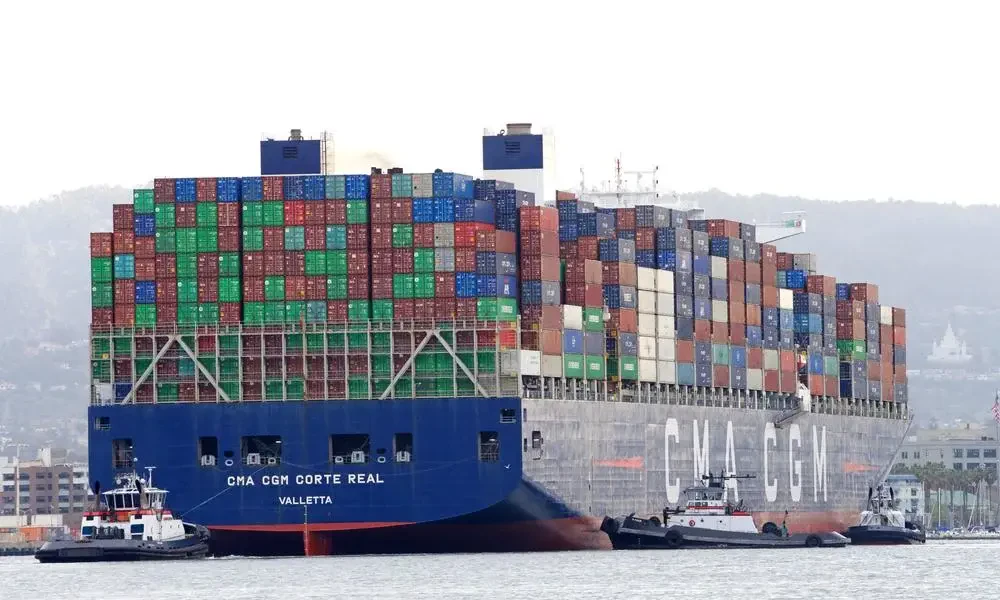
Selecting the appropriate machinery for moving shipping containers is critical in the logistics chain. Depending on their weight and size, containers may require different types of equipment, such as forklifts, cranes, side loaders, or reach stackers. An important factor to consider here is efficiency. Suitable equipment can significantly reduce moving time, thereby improving the throughput of container terminals.
Additionally, understanding the terrain and environmental condition of the work area is essential in deciding the right equipment. For instance, if the workspace is constricted or has rough surfaces, all-terrain forklifts or tough-terrain cranes may be ideal. Meanwhile, reach stackers and side-loaders are useful in places with limited space, as these devices can stack and transport containers in tight spots. Hence, specific conditions demand specific equipment to ensure safe and effective transportation of shipping containers.
Exploring Different Methods of Shipping Container Transportation
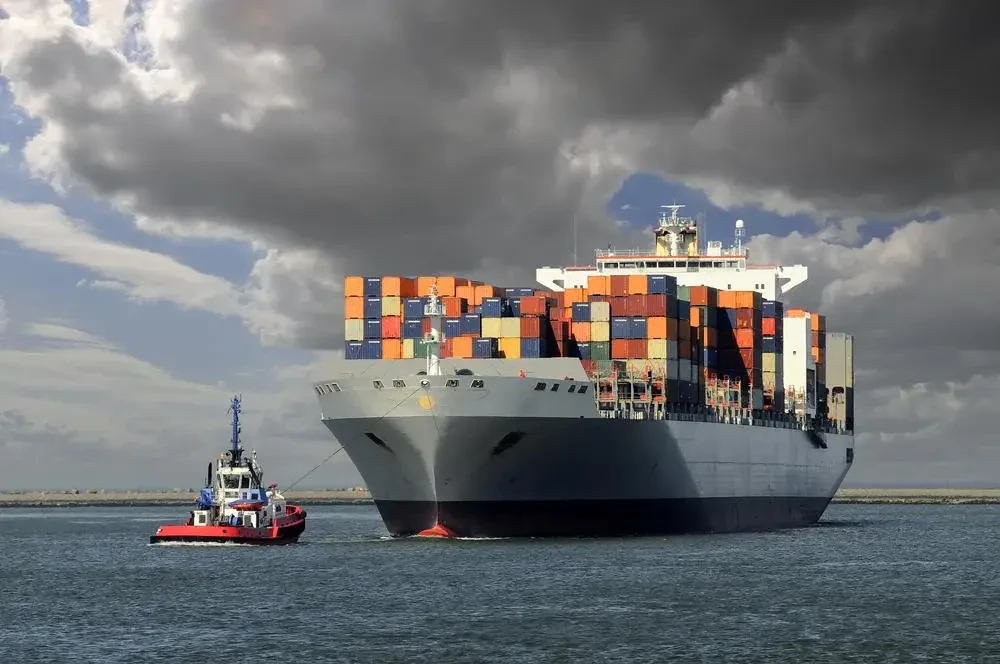
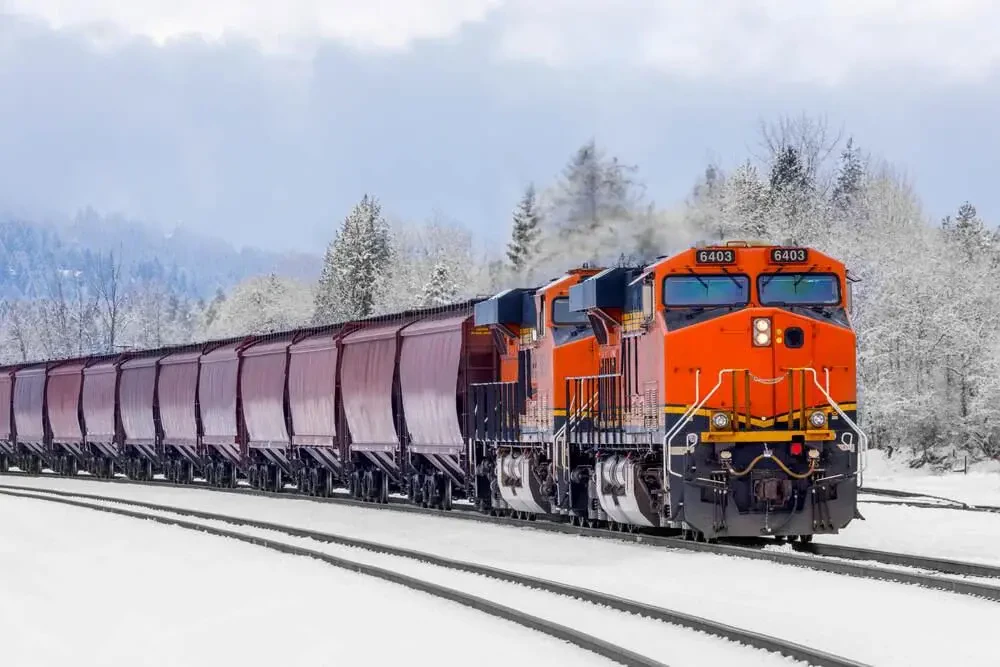
The realm of shipping container transportation is vast and diverse, with various methods utilized based on the specific needs of each shipment. The common transportation methods primarily include road, rail, and sea. Road transportation is usually favored for short-distance or final delivery stages due to its flexibility, speed, and convenience. Rail is notable for its efficiency in moving substantial quantities of containers over long distances, particularly across continents.
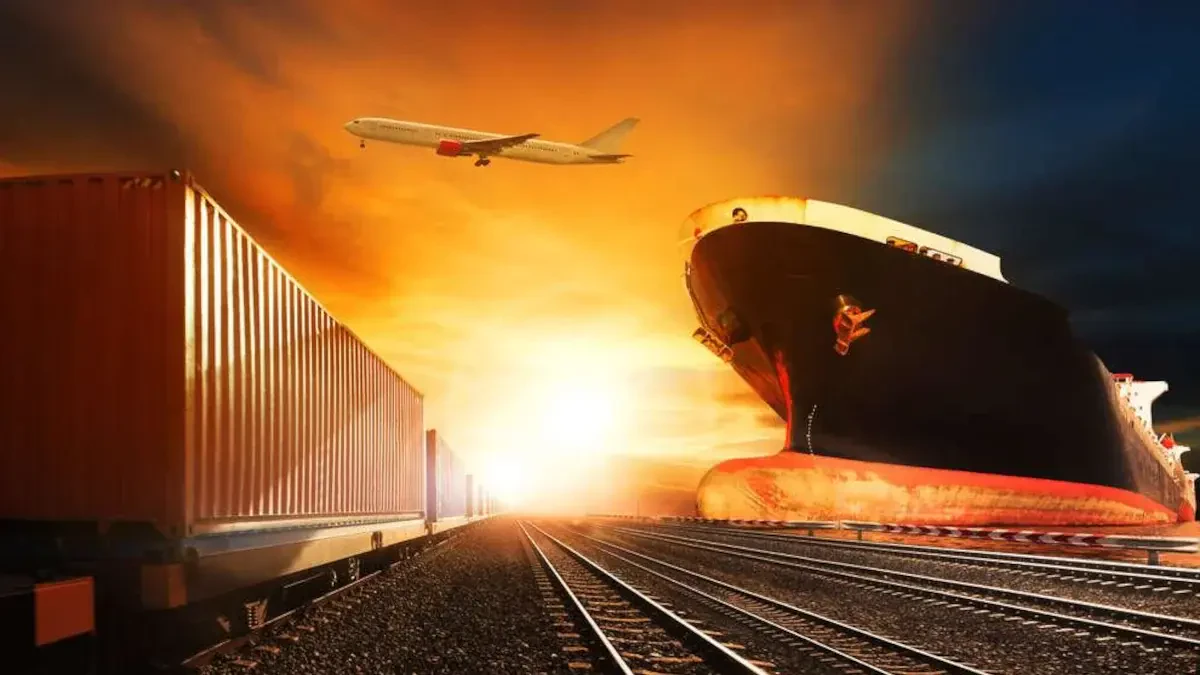
Sea freight, holding the lion's share of global container movement, is immensely popular for international shipping due to its cost-effectiveness for large volumes and heavy cargo. An increasingly viable method is multi-modal transportation, which combines various methods to streamline the shipping process, offering flexibility and broadening the geographic reach of logistics companies. For instance, a container might be transported by rail from a factory to a port, continue its journey by sea, and finally be delivered to the recipient by road.
Frequently Asked Questions
The basic principles of shipping container movement involve understanding the size and weight of the container, the distance it needs to be transported, and the suitable mode of transportation. It also involves knowledge of specific equipment for loading, unloading, and moving containers.
Various types of equipment are used depending on the circumstances. This can include forklifts, cranes, and straddle carriers for loading and unloading. For transportation, trucks, ships, and trains are frequently used. The equipment selection primarily depends on the container's size, weight, and destination.
Various methods can transport shipping containers. Road transport is commonly used for short distances and involves trucks or trailers. Rail transport is cost-effective for long distances, while sea transport is ideal for international shipping. Air transport may also be used in some cases, although this is the most expensive option.
Choosing the right method depends on several factors, such as the distance to the destination, the delivery's urgency, the container's size and weight, and the costs involved. For instance, rail may be the most cost-effective for long-distance domestic transport. For international transport, sea shipping is commonly used.
Costs can vary greatly depending on the method of transportation. Road and rail transport are generally cheaper for short and medium distances, while sea transport is most cost-effective for long distances or international shipping. Air transport is generally the most expensive method. It's also important to factor in the costs of loading and unloading and any customs or import/export fees.