Published by Chris Townsend
Last updated Jul, 17 2025

The risks of moving furniture include potential physical injuries, damage to the furniture and property, and unforeseen logistical challenges or costs. These include strains and sprains, accidents during lifting or transporting, and the complexities of navigating heavy items through confined spaces.
Moving furniture within a home or during a relocation can pose several risks. The most prominent among these are the chances of physical injury, such as back strains or accidents, damage to the furniture itself or the property during the move, and various unexpected logistical challenges or costs that may arise. Understanding these risks is crucial to prepare adequately and mitigate potential problems.
The Physical Risks Involved in Moving Furniture
Heavy furniture strains muscles and is dangerous if mishandled. Musculoskeletal back, shoulder, and knee injuries are the most common result of improper furniture moving. Strains, sprains, torn ligaments, and even serious fractures can occur, and heavy lifting errors can cause long-term health issues.
In extreme cases, falling furniture can crush fingers or toes, causing severe pain and even digit loss. Mishandled sharp corners and edges can cause cuts and punctures, leading to infections. Moving furniture is dangerous, even if it doesn't seem so.
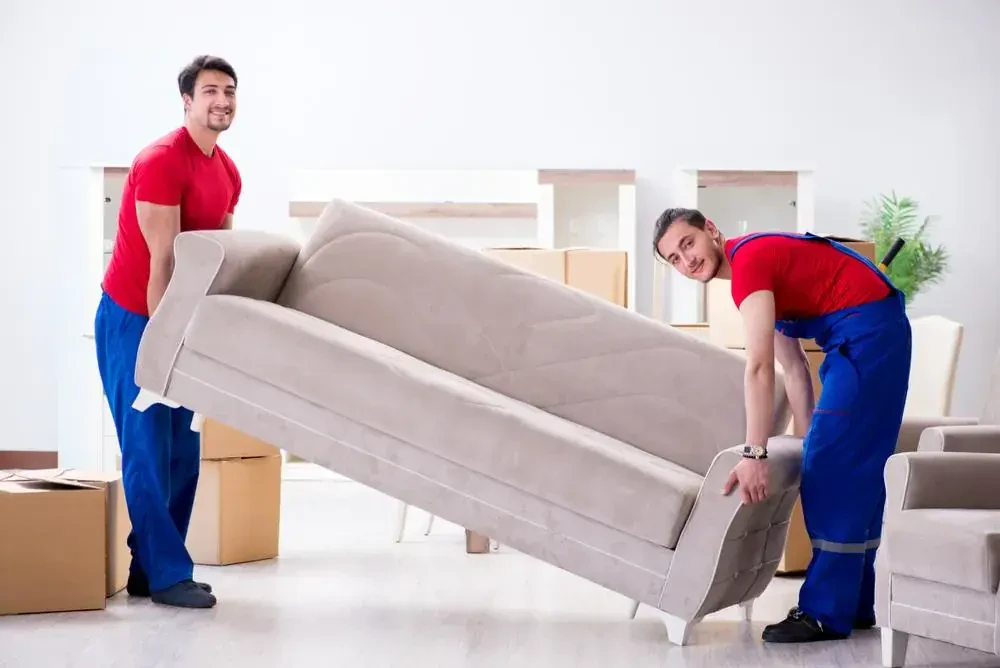
How Incorrect Lifting Techniques Can Lead to Injuries?
Moving with heavy furniture using improper methods is dangerous. Handling heavy objects strains the musculoskeletal system due to biomechanics. This strain, especially on the back, shoulders, and knees, can cause acute or chronic injuries. Poor lifting techniques cause muscle sprains, pulled muscles, and back injuries.
Additionally, the dangers are not limited to personal injuries alone. Engaging in such activities with poor form can lead to more significant health complications. Gradual wear and tear on the spine, compressed discs, or severe conditions like herniated discs are attributed to incorrect heavy lifting techniques. It is of utmost importance to educate oneself with proper weight-handling methods to prevent these detrimental effects on one's health.
The Hidden Perils of Moving Large Furniture Pieces
Shifting large furniture items can often seem like a fairly simple task. Yet, it generates an array of hidden dangers, significantly going unnoticed until it leads to notable physical consequences. A momentary lapse of judgment or a minor underestimation of the weight or size of the furniture can result in a variety of injuries—these range from strains and sprains to more dreadful possibilities like fractures or concussions.
Even though the majority of these furniture-moving associated mishaps affect the back, they can also affect other parts of the body. Inappropriate lifting takes a toll on the knees, hands, and feet as they take undue pressure. The scenario further escalates when we factor in the potential for accidental trips, slips, and falls. Moreover, navigating staircases or narrow hallways adds an extra layer of risk.

Frequently Asked Questions
Moving large furniture can present a range of dangers, including physical injuries like muscle strains, ligament sprains, and back injuries. Additionally, there's a risk of damage to the furniture or property; in some cases, it could even lead to long-term health issues like chronic back pain.
The physical risks involved in moving furniture include injuries like muscle and ligament strains, herniated discs, and injuries to the shoulders, back, and knees. Then the risk of accidents such as tripping or falling, especially when carrying heavy items.
Incorrect lifting techniques, such as bending from the waist instead of the knees with the back rather than the legs, can strain muscles and ligaments excessively. This can result in acute injuries like sprains and strains and chronic issues like long-term back or shoulder pain.
Some hidden perils of moving large furniture include the potential for accidents like toppling or falling furniture, damage to the property or furniture, and long-term health problems from persistent strain. Moreover, there can be hidden costs if professional help is needed for repair or health treatment.
Reducing the risks associated with moving large furniture can involve employing proper lifting techniques, using appropriate equipment like dollies or sliders, and enlisting help from others. Hiring professional movers trained to handle such tasks safely and efficiently may also be beneficial.