Published by Chris Townsend
Last updated Dec, 02 2025

Imagine rolling across South Dakota’s landscapes—from the Black Hills to the prairie flats ensuring every move complies with Dewey County’s spring road rules or navigating the permit process for oversized farm equipment. Whether moving within the state, hauling heavy machinery between Rapid City and Sioux Falls, or bringing in an out-of-state mover, South Dakota’s regulations require careful coordination. For instance, any truck over 80,000 lbs on the interstate needs a single-trip overweight permit, and nonresident movers must secure trip and fuel-use permits—otherwise, they risk delays or citations.
At Three Movers, we go beyond packing and hauling. We coordinate with fully licensed, insured carriers who understand South Dakota’s DOT systems—whether e-permits, route surveys, or seasonal restrictions. Here's your definitive guide to handling every permit and license required for moving in, out of, or through South Dakota.
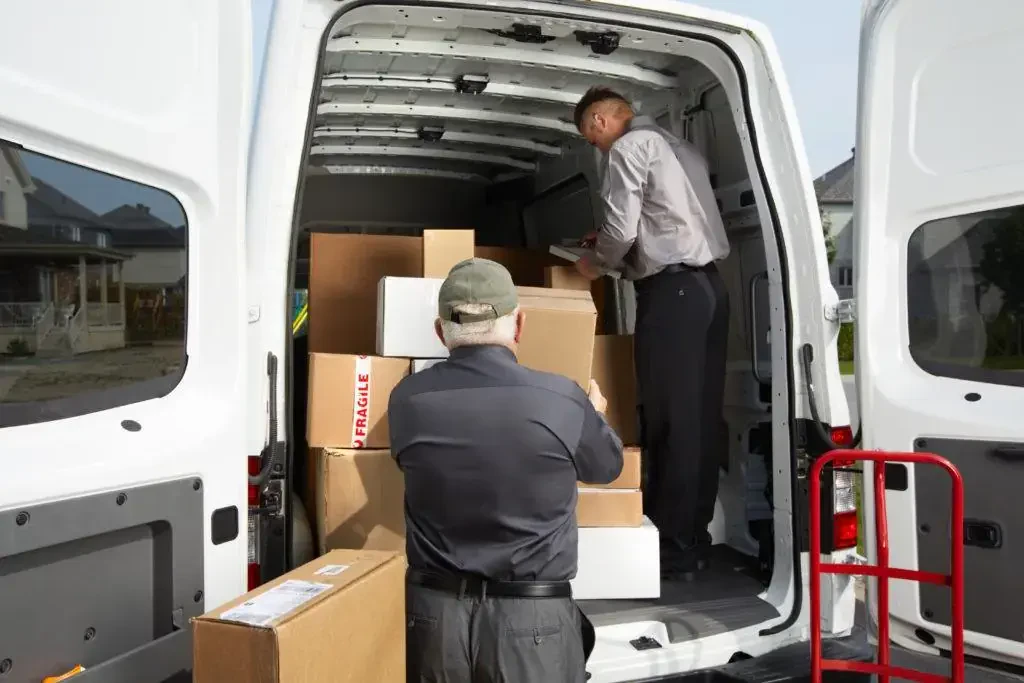
Intrastate Moves: Licensing Household Goods Movers
South Dakota does not require a special state-issued moving license for intrastate household or commercial moving. However, reputable companies must still:
- Hold a valid USDOT number (required for commercial motor vehicles over 10,000 lbs GVWR)
- Provide appropriate liability and cargo insurance
- Use a proper Bill of Lading that includes rate transparency and insurance terms
While there's no specific intrastate mover licensing, verifying compliance—from USDOT registration to insurance—is essential. That’s why Three Movers works only with thoroughly vetted carriers with proper documentation.
Out-of-State Carriers: Trip & Fuel Permits
Non-resident carriers using commercial vehicles in South Dakota must obtain:
- A 72-hour temporary trip permit ($15)
- A 72-hour temporary fuel-use permit ($20) if not IFTA-registered
These permits cover vehicles over 26,000 lbs or with three or more axles. Without them, trucks may face penalties, delays, or even be barred at weigh stations. We ensure that any out-of-state carrier dispatched through Three Movers is fully permitted before entering the state.

Oversize & Overweight Permits
When Are They Required?
A permit is needed whenever the vehicle or load exceeds any of:
- 80,000 lbs GVW
- 8′6″ width, 14′ height, 95′ length (for certain configurations)
- Axle weight limits (32k lbs single, 34k lbs tandem, etc.)
Permit Types & Fees
South Dakota issues:
- Single-trip oversize/overweight permits (~$25 plus ton-mile fees)
- Extended-period permits (~$60 monthly per route/county)
- Special permits: mobile homes, farm equipment, manufactured homes, etc.
Permits require route specifics, insurance proof, and may involve escort vehicles depending on width or length.
Pilot Cars, Escort Vehicles & Route Rules
Certain oversize loads—especially wider than 10′—must use escort vehicles:
- Over 16′ wide on interstates: one escort
- Over 20′ on state highways: two escorts
- Over 10′ wide in Black Hills area: front escort required
Escorts help guide trucks around narrow roads, tight turns, and vulnerable structures.

Seasonal & Road Safety Restrictions
While South Dakota doesn’t use spring-thaw postings like northern states, safety regulations still apply:
- Oversize nighttime travel is allowed on interstate if under 10′ width
- Routes over bridges may have axle and dynamic load limitations—factored into permit reviews
Delays often come from unexpected road geometry or weight violations—issues Three Movers’ carriers proactively manage.
Federal Requirements: Cross-State Moves
Interstate moves require FMCSA oversight. Your mover must have:
- Valid USDOT and MC numbers
- FMCSA-compliant insurance filings (e.g., BMC-91)
- An acceptable safety rating via SAFER database
We match you with carriers who meet these standards for every out-of-state move initiated through Three Movers.

International Moves via South Dakota
Though landlocked, South Dakota supports international relocation via rail and road transport to ports like Seattle or Houston:
- Requires domestic USDOT-approved trucking and FMCSA compliance
- Destination needs shipping handled by FMC-registered international carriers
- Full inventory manifests, customs paperwork, and export packaging
Our international partners ensure end-to-end coordination, making global moves seamless even from South Dakota.
Commercial, Farmer & Government Moves
Commercial Moves:
- May require Certificates of Insurance naming landlords
- Oversize equipment farm or business-related often need state permits
- Lift axles for construction trucks require special booster axle permits
Farmer Moves:
- Farm equipment over size allowed on local roads without permit—but any interstate travel needs proper documentation
Government/Military Moves:
- Must involve DP3-approved carriers and follow PCS timelines
- Often require extra EU/COI or scheduling clearances
Three Movers works with carriers well-versed in these specific requirements.

Why Accurate Paperwork Is Critical
- Avoid hefty fines: Overweight or improperly permitted vehicles face per-pound penalties and misdemeanor charges up to $200 plus jail time
- Prevent delays: Weigh station holds and impoundments are common when documentation is missing
- Guarantee cargo insurance: Only properly licensed loads are insured
- Simplify logistics: Handling South Dakota’s permit processes, DOT systems, and escort coordination is our business so you don’t have to
SD Move Checklist
| Step | Task | Who Handles |
|---|---|---|
| 1 | Verify carrier has USDOT & insurance | Carrier / Three Movers |
| 2 | Obtain trip & fuel permits for non-resident trucks | Carrier |
| 3 | File oversize/overweight permit via SD Truck Info | Carrier / We coordinate |
| 4 | Arrange pilot cars for wide loads | Carrier |
| 5 | Monitor route timing (daylight rules) | Carrier |
| 6 | Verify FMCSA credentials for interstate moves | Carrier / We verify |
| 7 | Ensure export documentation for global relocations | Intl Carrier / We partner |
| 8 | Secure COI or special permits for farmers/businesses | Carrier |

Final Thoughts: Big Moves Made Simple
South Dakota moves often involve more than just distance—they require precision: permits, escorts, weight formulas, and seasonal rules. With Three Movers, you get local expertise combined with careful logistics: every permit filed, every route scouted, every regulation enforced—so your move across the Mount Rushmore State is as smooth as its high plains.
Ready to move with peace of mind? Let’s partner for a hassle-free South Dakota experience—legal, coordinated, and completely supported.
Key Sources
Frequently Asked Questions
Most standard home moves in South Dakota do not require a state-issued moving permit, but oversized or overweight trucks may need a DOT permit when operating on state highways. Requirements can vary by city, especially in denser areas that enforce loading zones or parking restrictions. Factors include truck size, street width, seasonal road limits, local ordinances, and whether the move involves a long carry or elevator schedule. South Dakota’s wide-load rules follow state DOT weight limits, which apply year-round. For regulated moves across cities or metro areas, a local moving option is often the simplest path.
A permit is required any time a moving vehicle exceeds South Dakota’s legal size or axle-weight limits. This applies most often to long-haul shipments using larger tractor-trailers or when transporting crated equipment, safes, or large furniture shipments. Influencing factors include truck length over standard 65 feet, weight over legal gross limits, or moves during spring load-restriction periods. Crews must confirm routing because certain state highways enforce seasonal frost limits and bridge weight postings. For interstate shipments using commercial carriers, regulations align with FMCSA rules; long-distance customers can use a compliant long distance moving service.
South Dakota DOT oversize and overweight permits are typically issued through the state’s automated online system, which allows carriers to submit vehicle dimensions, weight, and routing. Processing is fast, but approval may require alternate routes to avoid restricted roads or construction zones. Important details include accurate truck measurements, axle spacing, seasonal weight postings, and expected travel windows. Movements often must occur during daylight hours. If a carrier handles your entire shipment, they usually secure the permit on your behalf while coordinating loading times, parking access, and travel timing.
Some cities, especially Sioux Falls and Rapid City, may require temporary no-parking or loading-zone permissions if the moving truck blocks a public lane. Regulations vary and may depend on street width, neighborhood rules, and time-of-day restrictions. Downtown areas often limit truck lengths and may require early morning loading windows to avoid congestion. Building management may also impose requirements for elevator reservations or proof of insurance. These details affect crew scheduling, truck positioning, and total loading time.
For any state-to-state relocation, the carrier must comply with FMCSA licensing and maintain proper operating authority, but the customer typically does not file permits. Oversize or overweight moves, however, may require permits in both South Dakota and the destination state. Influencing factors include shipment size, tractor-trailer length, chosen highways, and seasonal restrictions. Delivery windows for interstate moves generally run 5–14 days, depending on distance and traffic patterns. For regulated cross-state relocations, customers often rely on an interstate moving service.
Most standard oversize or overweight permits are processed the same day through the state’s online portal, but complex routes may require manual review. Influencing elements include bridge postings, frost-season restrictions, and highway construction plans. Carriers usually plan permitting several days ahead of loading to avoid delays. Weather can also affect approval windows, particularly in winter when wind restrictions may limit high-profile truck travel.
Applicants must provide vehicle dimensions, axle configuration, total weight, intended routing, and planned travel dates. Carriers also confirm whether the move includes high-value items, special crating, or unusually heavy safes, as these may shift weight distribution. The DOT may restrict travel during holidays, peak-traffic hours, or severe weather. Accurate data helps prevent route denials and ensures safe access for both local and intrastate moves.
Yes. South Dakota enforces spring load limits to protect thaw-weakened roads. These restrictions can affect heavy moving trucks, especially during March–May, depending on the region. Limits may reduce allowable axle weights or prohibit heavier vehicles on certain county or state roads. Carriers monitor DOT bulletins to schedule travel during approved windows, adjust routing, or downsize equipment when necessary. This can influence total transit time, loading schedules, and delivery estimates.