Published by Chris Townsend
Last updated Dec, 12 2025
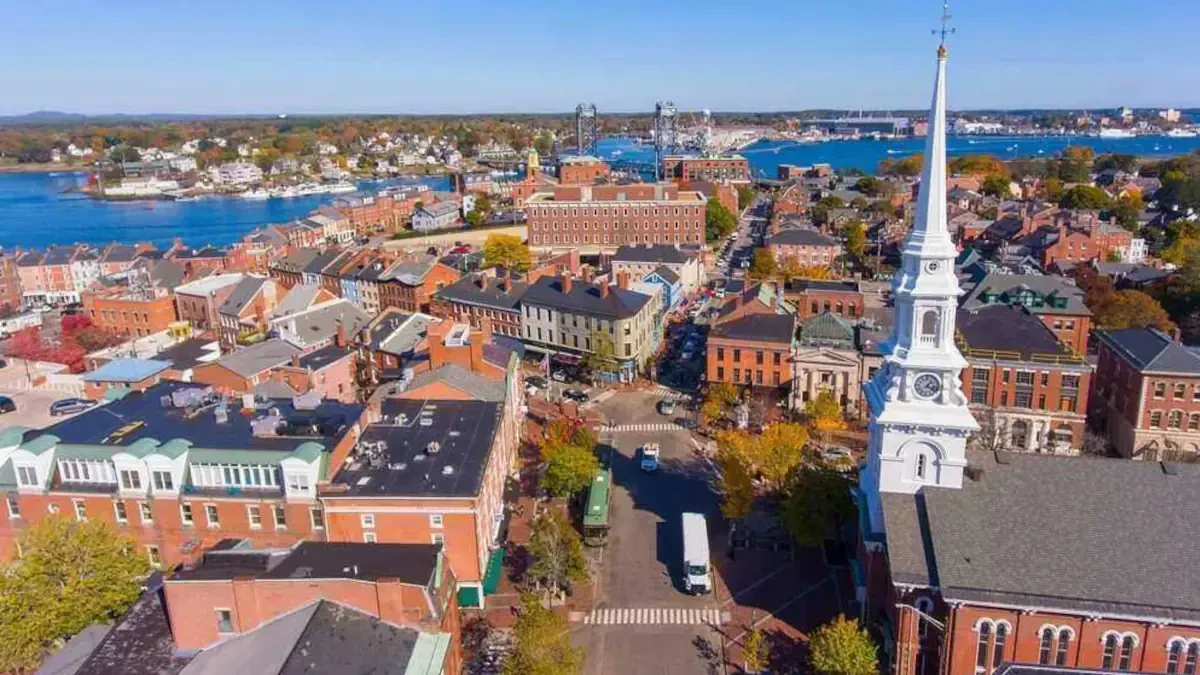
Would you trust someone to easily understand New Hampshire’s winding backroads—or rush hour in Manchester—without a map? Relocating here involves more than just packing boxes. From the posting restrictions during spring thaw to the intricate oversize load permits required on I‑95, New Hampshire’s regulations present unique hurdles. Plus, every household-goods carrier must hold a valid NHPC number issued by the Department of Motor Vehicles (DMV) to operate legally within the state.
That’s why choosing a partner who knows how to avoid road closures, gain police escorts when needed, and comply with every transport rule matters. At Three Movers, we match you with licensed, fully credentialed carriers—so you only focus on your fresh start, not paperwork. Let’s unpack New Hampshire’s moving permit landscape: what you need to arrange before—and during—your move.
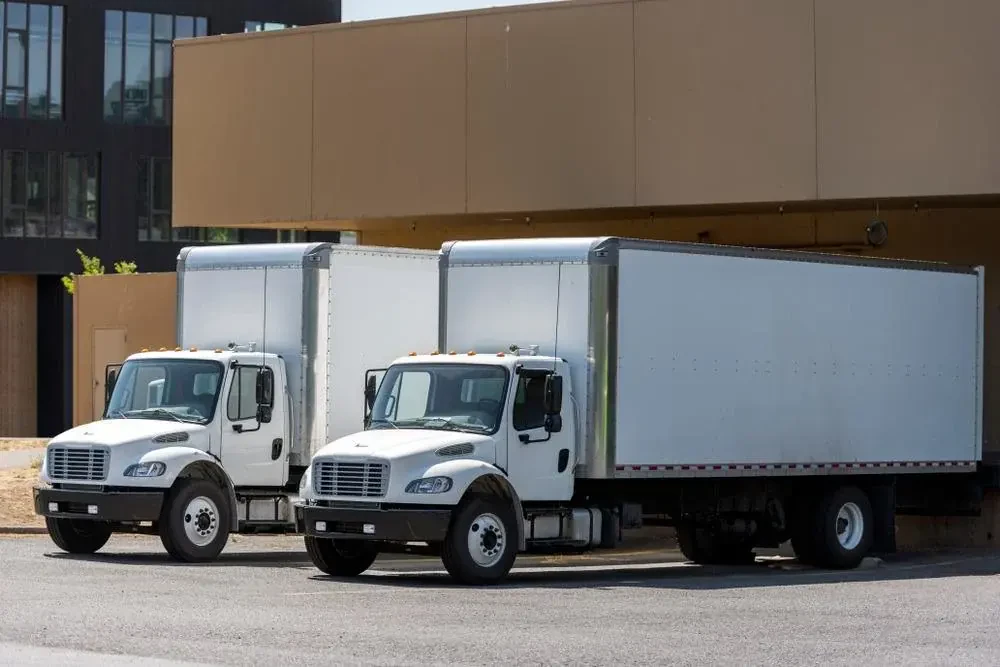
Intrastate Moves: NH Household‑Goods Carrier Licensing
To perform any residential move entirely within New Hampshire, movers must be certified by the NH DMV and carry an NHPC number for household‑goods transport.
Carriers must:
- Register for Household‑Goods Authority through DMV.
- Maintain cargo and liability insurance: at least $0.60 per pound of cargo capacity for household goods; $750,000 combined single-limit for higher GVW trucks.
- File a standard Bill of Lading, listing all services, rates, and conditions.
Hiring anyone without proper NHPC credentials risks fines, loss of protection, and no recourse in disputes. Three Movers only recommends certified carriers for intrastate moves—period.
Local Logistics: Parking, Spring Thaw & City Rules
Spring Thaw Restrictions
From roughly April 19 to November 22, weight and tire-width restrictions apply to protect thawing roads: max GVW 30,000 lbs, or width × 300 rule on posted sections.
Urban Moves & Permits
- Manchester, Concord, Nashua: parking a large vendor truck may require coordination with Public Works or police.
- Vehicles parked in restricted zones often incur fines or get towed—something we manage proactively for you.
By working with Three Movers, carriers time your move to avoid spring bans and handle all municipal notifications.

Oversize & Overweight Moves: NHDOT Permitting
When Permits Are Required
Any move exceeding legal limits must secure an Oversize/Overweight (OS/OW) permit from NH DOT:
- Width > 8′6″
- Height > 13′6″
- Length > 45–53′ for trailers or > 110′ for combinations
- Weight > dependent on axles: e.g., > 33,400 lbs on 2‑axle, > 80,000 lbs combined
Permit Details & Timing
- Single-trip permits are valid 5 travel days, or 10 for round-trip.
- Permits grant clearance during daylight hours only; weekend travel restricted.
- Route surveys, required for loads > 110′ or 13’6″, map the path and identify bridge limits.
- Escorts required if length > 100′ or width > 14′, and police escort needed for closures.
Fines for noncompliance: up to $100–$250 for overweight offenses; as much as $400 for overweight on bridges.
With Three Movers, you’ll never face these penalties—our partners handle surveys, escorts, and permits before move day.
Trip & Fuel Permits for Out‑of‑State Carriers
Non-resident carriers crossing into New Hampshire with a load must carry:
- A Trip Permit (72‑hour, $15)
- A Fuel (IRP/IFTA) Permit (72‑hour, $10)
At Three Movers, we ensure out-of-state carriers are fully compliant, avoiding expensive delays or citations.

Interstate Moves: Federal Requirements
Any move crossing state lines triggers FMCSA oversight. Required credentials include:
- Valid USDOT number and, for household goods, an MC number
- Federal BMC‑91/X insurance filings
- Safety records accessible via FMCSA SAFER
Our screening ensures every interstate carrier we match you with meets federal standards.
International and Export Moves
Relocating internationally from New Hampshire involves:
- Trucking move to port (e.g., Boston, NY).
- Domestic carrier with NHPC + FMCSA authority.
- International carrier with FMC OTI registration.
- Documents: inventory, passports, customs forms.
- Coordination through port terminals, customs agents, and overseas transport.
Our partners understand this complexity—managing documentation, crating, customs clearance, and door-to-door delivery.

Commercial, Office & Specialty Moves
Large business relocations in New Hampshire often require:
- Certificate of Insurance (COI) naming landlord or management.
- Elevator reservation or off-hour move permits for high-rise offices.
- Temporary street occupancy certificates if trucks block sidewalks or access.
- OSHA and insurance compliance during delicate lifts or IT equipment moves.
We coordinate with your building and carrier, ensuring all special arrangements are met.
Military & Government Moves
Even though New Hampshire has limited military installations, government and federal relocations follow protocols:
- Movers must be enrolled in the DP3 (Defense) moving program.
- Move schedules aligned with PCS orders or federal agency timelines.
- Reimbursement mechanisms and insurance documentation handled by carriers.
At Three Movers, we connect you to DP3-authorized carriers and help manage schedules, forms, and billing.

Verifying Your Mover
To ensure you're working with licensed movers:
- NHPC Certificate: ask for DMV-issued NHPC number.
- Insurance Verification: both cargo and liability must meet state minimums.
- Oversize Permits: confirm carrier will file DOT permits when needed.
- FMCSA Credentials: USDOT and MC numbers for interstate moves.
- Trip/Fuel Permits: for carriers from out of state.
Or leave it to Three Movers—our vetting process ensures legal and credentialed service.
Why Permits & Licensing Matter
⛔ Avoid Delays: Unplanned tickets, withheld routes, or weight restrictions can balloon your moving timeline.
🛡 Protect Your Valuables: Only licensed carriers guarantee insurance coverage for damage or loss.
⚖️ Stay Legal: Operating without proper permits can result in fines, confiscated goods, or refused service.
🧠 Reduce Stress: Permit and escort logistics are complicated—why not let experts handle it?

NH Move Checklist
| Step | Task | Handled By |
|---|---|---|
| 1 | NHPC licensing and insurance | Carrier / We verify |
| 2 | DHW Spring Thaw weight restrictions | Carrier / We time move |
| 3 | OS/OW permit & route survey | Carrier / We prepare |
| 4 | Escorts and police coordination | Carrier / We arrange |
| 5 | Trip/fuel permits for non-resident carriers | Carrier / We confirm |
| 6 | FMCSA USDOT/MC and federal insurance | Carrier / We check |
| 7 | COI & building access for commercial moves | Carrier / We obtain |
| 8 | DP3 and government move compliance | Carrier / We coordinate |
| 9 | Export documentation for overseas moves | Intl carrier / We oversee |
Final Thoughts: Granite State Moving, Hassle-Free
New Hampshire’s layered regulations—from seasonal road rules and NHPC certification to oversize permits, escorts, and federal requirements—may seem daunting. But with Three Movers coordinating licensed carriers, all those moving parts simply come together. Whether you’re moving across Concord or across continents, we ensure your move is legal, insured, and smooth.
Ready for a stress-free move in New Hampshire? Let’s get started—fully compliant and fully cared for.
Key Sources
Frequently Asked Questions
In most cases, New Hampshire does not require a statewide moving permit for residential moves. However, local permits or parking approvals are often required if a moving truck blocks public streets, uses metered parking, or occupies loading zones. Cities like Manchester, Nashua, and Salem may require temporary street use or parking permits arranged through the town or police department. Requirements depend on truck size, duration, street access, and downtown congestion, not move distance or home size.
Yes. Movers operating within New Hampshire must comply with state business registration and DOT requirements. Any mover crossing state lines must also hold FMCSA authorization and a valid USDOT number. Licensing applies regardless of move size and protects consumers through insurance and safety standards. This applies to local, intrastate, and interstate moves, whether you are moving a studio or a five-bedroom home using 2–4 movers or more.
Interstate moves from New Hampshire do not require a state-issued moving permit, but they are federally regulated. Movers must be registered under FMCSA rules and follow interstate transport requirements for cargo insurance, driver logs, and delivery windows. Moves crossing state lines typically involve larger trucks, longer delivery ranges (5–14 days), and stricter documentation than local moves. Using an authorized interstate moving service helps avoid compliance issues.
A local permit is usually required if your move involves street parking restrictions, overnight truck parking, blocking sidewalks, or multi-hour curb use. Downtown areas, apartment buildings, and HOA-managed properties often enforce permit rules and loading schedules. Permit needs increase with larger trucks, longer loading times, stair carries, or elevator reservations. Always check town rules at least 7–10 days before moving day to avoid fines or delays.
Yes. Many apartment complexes and condos require building management approval, proof of mover insurance, and reserved loading times. Freight elevator scheduling, limited move-in windows, and parking controls are common, especially in urban areas. These requirements apply regardless of whether the move is local or intrastate. Professional movers familiar with building logistics and local moving service rules can coordinate approvals efficiently.
Commercial moves may require temporary occupancy permits, parking variances, or police details depending on truck size and business location. Office moves often involve larger crews, longer loading times, and special equipment handling. Downtown business districts are more restrictive than suburban areas. Planning permits early helps avoid operational downtime. Businesses often rely on experienced movers offering commercial moving services to manage compliance and logistics.