Published by Chris Townsend
Last updated Jan, 26 2026
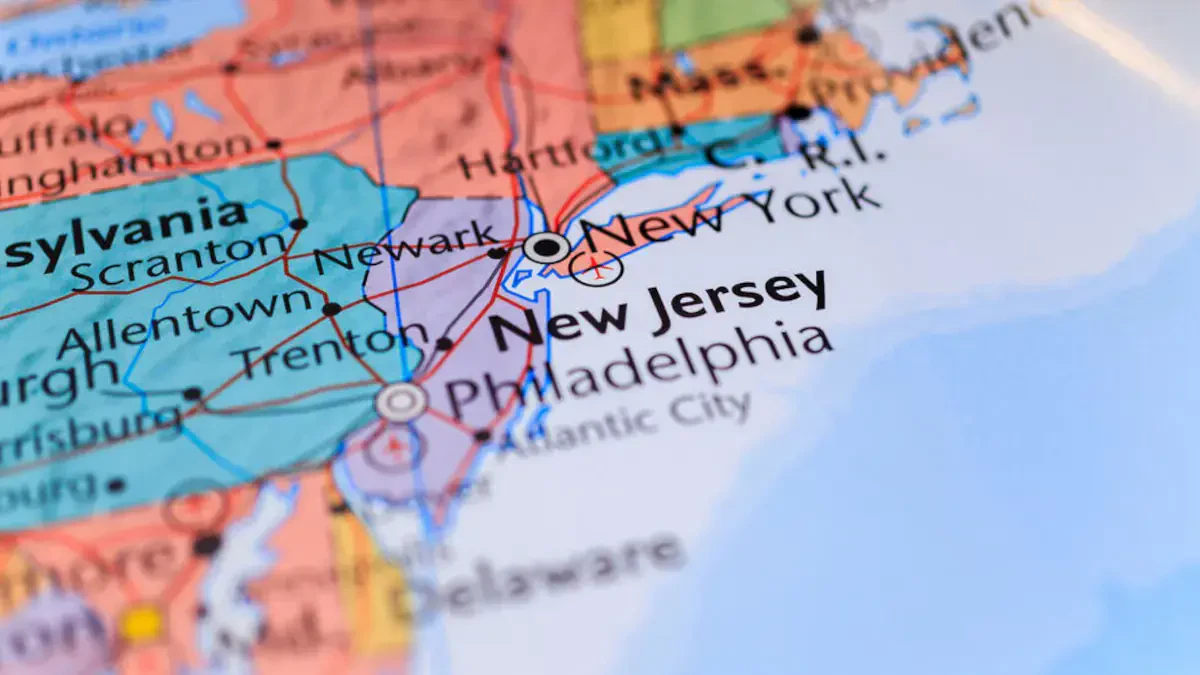
New Jersey is a perfect location if you want to live in a state where you can enjoy a serene and calm environment. This state has several good universities, the potential for business growth, and also nice housing in case you want to buy a home and raise a family.
New Jersey is a place for anyone and everyone. It does not matter if you’re looking to retire, or if you’re a student searching for a place to settle down, you’ll like the state of New Jersey. If you’re unsure how to plan your relocation process from West Virginia to New Jersey, the following information will be helpful.
Average Cost of Moving From West Virginia to New Jersey
Although New Jersey is not a very expensive place to stay because of its low cost of living, you’ll still have to think about the money involved to move your things from West Virginia to New Jersey. Moving cost is not fixed because your transition date, shifting distance, and the number of bedrooms in your house play a significant role in the price.
Moving during peak relocating seasons makes cross-country relocations more expensive. Also, packing too many belongings during your interstate shift may increase your transporting cost. Furthermore, the distance from West Virginia to New Jersey is about 481 miles. This distance and other factors mentioned earlier set your relocating costs between $1750 to $2200.
Which Is the Best Way of Shift?
Several resettlements options are available for people transferring from West Virginia to New Jersey. One of the options is a DIY move where you’ll handle all aspects of the haul yourself instead of hiring professional haulers to carry out the shift for you. If you want your relocate to be successful, then carrying out your shift yourself is probably not the right thing to do. Another option is to hire professional haulers. Although moving on your own is cheaper, hiring professional carriers is the best option.
Hiring a moving company for your shifting from West Virginia to New Jersey is the best decision you can make when you don’t consider the amount of money you’ll pay. Professional relocators like us will help you plan and carry out your interstate transition without you stressing yourself about your move. Our carriers and drivers have enough experience to help execute your long-distance relocation to your needs and preferences. They will make sure your belongings are in good hands and also make sure they get to their destination in time.

Cheapest Way to Relocates
When moving across long distances, you’re sure to spend a lot of money transporting your things. The best thing to do is to look for cheap ways to move from West Virginia to New Jersey. Some of the cheapest ways to shift are:
Look For Price Slashes and Discounts
When choosing a transporting company to manage your cross-country move, you need to make sure that they are offering special discounts and price slashes during that period. Most moving companies do this, so be on the lookout for price discounts.
Pack Only the Things You Need
Your relocation tasks should start with you decluttering your home and sorting your belongings. When shifting, the last thing you would want to do is to pack things that you don’t need. Make sure that you sort your things thoroughly and get rid of the things that you don’t need or are useless. After that, you should organize a garage sale to get rid of the remaining items. That way, you’ll reduce you will reduce the number of things you’re moving and also reduce hauling costs.
Other Services
At Three Movers, we provide other services for moving from West Virginia to New Jersey. They are:

Relocating And Storage
Storage services are almost always important for people traveling to a new state and who need to keep their belongings somewhere safe in the meantime. Using Three Movers’ holdings facilities will allow you to keep your things in a secure stowage facility for as long as you want. Also, our facilities have enough room to accommodate your things.
Who Regulates the Shifting Solutions?
The Federal Motor Carrier Safety Administration (FMCSA) regulates companies transporting household possessions across the state lines from West Virginia to New Jersey. The FMCSA also provides USDOT numbers to moving companies that meet the agency’s requirements.
Get a Free Hauling Quote
Request your free shifting quote from Three Movers today.
Frequently Asked Questions
A West Virginia to New Jersey move typically costs $1,200–$3,500 for a 1–3 bedroom home. Pricing is based on distance (350–450 miles), shipment weight, 2–4 movers, packing needs, stairs or elevators, long-carry distance, and fuel. Specialty items like pianos or safes raise costs. Because this is an interstate move regulated by FMCSA, pricing is weight-based rather than hourly. See how interstate pricing works with an interstate moving service.
Transit time is typically 1–3 days after loading. Smaller shipments may arrive next-day, while larger homes or shared loads take longer. Timing depends on load size, Appalachian weather, traffic near northern New Jersey metros, and DOT driving limits. Interstate moves use delivery windows rather than exact arrival times, which is standard for cross-state transport.
Yes. This route is an interstate move, meaning it crosses state lines and falls under FMCSA and U.S. DOT rules. Movers must provide a written estimate, bill of lading, and valuation coverage. Costs are calculated by weight, mileage, and services, not hourly labor. These rules also affect delivery windows, claims, and liability compared to local moves. Most customers book this route through a long distance moving service.
The biggest cost drivers are home size (studio–5BR), total weight, packing services, stairs or elevator access, long carries, and New Jersey parking or permit requirements. Summer demand and end-of-month dates increase rates. Dense NJ cities may require shuttle trucks or reserved curb space, adding labor time. Storage-in-transit can also raise costs if delivery dates are restricted.
Movers manage logistics, but permits are usually arranged by the customer. Many New Jersey towns require temporary no-parking permits, certificates of insurance, or freight elevator reservations. Older buildings often limit truck size or delivery hours. Planning these items early prevents delays, idle labor charges, or failed delivery attempts. Movers experienced with moving and storage solutions can help coordinate timing.
You can self-pack to reduce upfront costs, but professional packing lowers damage risk on long hauls. Fragile items, TVs, glass furniture, and electronics benefit from commercial materials and load bracing. Boxes packed by the owner are often excluded from damage claims, while professionally packed items carry valuation protection. Many customers choose partial or full packing through a full service moving option.