Published by Chris Townsend
Last updated Dec, 05 2025
Moving your belongings overseas can be both exciting and overwhelming. Whether you're relocating for a new job, seeking new opportunities, or simply embracing a new culture, the process requires careful planning and organization to ensure a smooth transition. From decluttering your personal belongings to choosing the right shipping method, there are several essential steps to make your overseas move successful.
Relocating to a different country means navigating customs regulations, managing logistics, and preparing for life in your new destination. With the right strategies, the overseas moving process can feel less daunting and more manageable, helping you settle into your new home with ease. Read on for valuable tips and insights to make your international move stress-free.
Preparing for Your Overseas Move: Essential Steps
Careful Planning and Organization
Preparing for an overseas move starts with careful planning and organization. One of the first steps to take is decluttering your home and reducing the number of personal belongings you need to take with you. Hosting a yard sale is a great way to get rid of items you no longer need while earning some extra money to offset moving expenses. Alternatively, you can donate items to local charities, which also helps lighten your load for the journey ahead.
Creating a detailed packing list is another essential step. This list should include all personal items and valuable items you plan to take with you. It will help you stay organized during the packing process and serve as a reference when completing customs paperwork. Be sure to distinguish between essential items you'll need immediately upon arrival at your new home and those you can store or unpack later.
Researching customs regulations for your destination country is crucial for avoiding delays or unexpected costs during the shipping process. Each country has specific rules regarding what can and cannot be brought across its borders. For example, countries like New Zealand and Costa Rica have strict biosecurity laws, so understanding these rules ahead of time is a good idea to ensure a smooth transition through customs.
It's also important to organize all your important documents, such as birth certificates, passports, and insurance policies. These documents are often required for customs clearance and may also be needed for various services in your new destination, like opening a bank account or registering for healthcare. Speaking of healthcare, researching health insurance options in your new country should also be part of your preparation. Ensuring you have adequate coverage will give you peace of mind as you adapt to your new surroundings.
Choosing the Best Shipping Method for Your Belongings
Comparing Air Freight, Sea Freight, and Ocean Freight
Choosing the right shipping method is one of the most critical decisions you'll make when moving overseas. Air freight, sea freight, and ocean freight each have their own advantages and disadvantages, so it's essential to evaluate your specific needs before deciding. For those who need their belongings to arrive quickly, air freight is often the best option. However, it tends to be more expensive, making it less suitable for large shipments or bulky items.
Sea freight, on the other hand, is ideal for transporting large quantities of belongings or heavier items. Using a 20-foot container or opting for a full container load allows you to ship more items at a lower cost per unit. While sea freight is not the fastest option, it is often the cheapest way to transport bulky items or a significant amount of personal effects to a different country. It's also worth noting that ocean freight, a term often used interchangeably with sea freight, may include additional costs such as customs duties or fees at the destination port.
When selecting a shipping company, consider those offering comprehensive international moving services. Reputable international movers often provide services like professional packing, customs paperwork assistance, and reliable customer support, ensuring a smoother shipping process. For example, if you're moving from the United States to a country like New Zealand or Costa Rica, working with experienced international movers who understand the specific requirements of your destination country can be a great way to simplify the move.
It's also important to factor in potential additional costs when budgeting for your move. These might include charges for long-term storage, insurance policies, or unexpected fees at the destination port. Taking the time to research and compare different companies can help you find the best option for your overseas move and avoid unnecessary expenses. Ultimately, selecting the right shipping method depends on your specific needs, timeline, and budget, so weigh all your options carefully to ensure a successful move.
Packing and Protecting Your Belongings for the Journey
Essential Packing Materials and Services
Properly packing and protecting your belongings is a vital part of the moving process, especially when transporting items across long distances. The right packing materials can make all the difference in ensuring your personal effects arrive safely at your new home. One of the most essential materials is bubble wrap, which provides excellent protection for fragile items and high-value items. Wrapping delicate belongings in bubble wrap minimizes the risk of damage during transit, whether you're using air freight or sea freight.
Investing in durable packing materials, such as sturdy cardboard boxes, packing tape, and protective padding, is another important step. These materials will help shield your belongings from the wear and tear that often occurs during an overseas move. For particularly valuable or sentimental value items, you may want to use specialized containers or crates for added protection.
Hiring professional packing services is a good idea if you're dealing with bulky items or feel unsure about how to pack your belongings securely. Professional packers have the expertise and equipment needed to handle even the most challenging items, ensuring everything is packed efficiently and safely. Additionally, they can label boxes clearly, helping you identify essential items that you'll need immediately upon arrival at your new destination.
Clearly labeling your boxes is not just helpful for unpacking but also for customs clearance. When customs officials inspect your shipment, having a well-organized and labeled inventory can speed up the process. Make sure to label boxes containing fragile items and indicate which ones contain essential items for quick access. Taking these precautions will help protect your belongings and make settling into your new home much easier.
Understanding Customs Paperwork and Insurance for a Successful Move
Managing Customs Regulations and Moving Insurance
Successfully navigating customs regulations is a critical part of any international move. One of the first steps is preparing a detailed inventory list of all your belongings. This list will help you complete the necessary customs paperwork and provide customs officials with a clear overview of your shipment. Be as specific as possible when describing your personal effects, as this can help avoid delays or issues during the customs clearance process.
In addition to customs paperwork, it's important to understand the customs regulations of your destination country. Each country has specific rules regarding what can be brought in, and some items may be restricted or prohibited. For example, New Zealand has stringent rules about bringing in plant-based products or wooden items to protect its unique ecosystem. Familiarizing yourself with these regulations in advance will save you time and reduce the risk of fines or confiscation of your belongings.
Moving insurance is another crucial aspect of a successful overseas move. Choosing an insurance provider that specializes in moving insurance plans tailored for international moves can provide you with the coverage you need. These plans typically protect your belongings against damage or loss during the shipping process, giving you peace of mind. Be sure to check that your policy covers high-value items and fragile items, as these are often the most at risk during transit.
It's also essential to account for unexpected costs, such as customs duties, taxes, or additional fees at the destination port. Some shipping companies include these costs in their quotes, while others may list them as separate charges. Understanding these potential expenses ahead of time will help you budget more effectively and avoid financial surprises during your move.
By carefully managing customs paperwork and choosing comprehensive moving insurance, you can protect your belongings and streamline the shipping process. This level of preparation ensures that your personal effects arrive safely and helps pave the way for a smooth transition to your new destination.
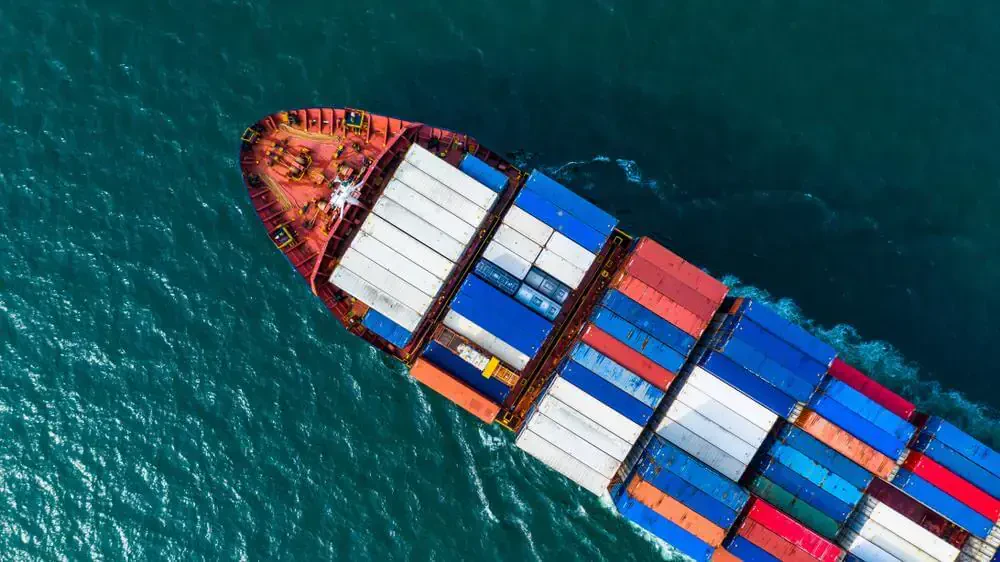
Settling Into a New Country and Embracing the New Culture
Adapting to Your New Destination
Once you've successfully moved your belongings overseas, the next step is settling into your new country and embracing the unique opportunities it offers. One way to make the transition easier is by exploring job opportunities in your destination country. Whether you're starting a new job in bustling cities like New York, Los Angeles, or Hong Kong, or seeking work in a more laid-back destination like Costa Rica or New Zealand, researching the job market beforehand can help you hit the ground running.
Understanding the cost of living in your new destination is also crucial. Every country has its own economic landscape, and expenses like housing, groceries, and utilities can vary greatly. For instance, the cost of living in North America may differ significantly from that in New Zealand. Knowing what to expect will help you create a realistic budget and manage your finances effectively.
Opening a bank account in your new destination is another essential step for financial stability. A local bank account will simplify transactions like paying rent, receiving your salary, and handling day-to-day expenses. Research the requirements for setting up an account in your destination country and gather any necessary documents, such as your passport and proof of address, in advance to streamline the process.
While adjusting to a new culture can be challenging, it’s also an exciting opportunity to expand your horizons. Take the time to learn about local customs, traditions, and social norms, as this will help you integrate more easily into your new community. Staying connected with loved ones back home is equally important, as their support can provide comfort while you adapt to your new lifestyle. Consider using technology to keep in touch through video calls or social media, allowing you to maintain strong relationships despite the distance.
For digital nomads or those seeking a flexible lifestyle, relocation services can be a valuable resource. These services can assist with everything from finding housing to navigating legal requirements in a different country. With the right support, embracing a new culture and settling into your new destination can become a fulfilling and enriching experience.
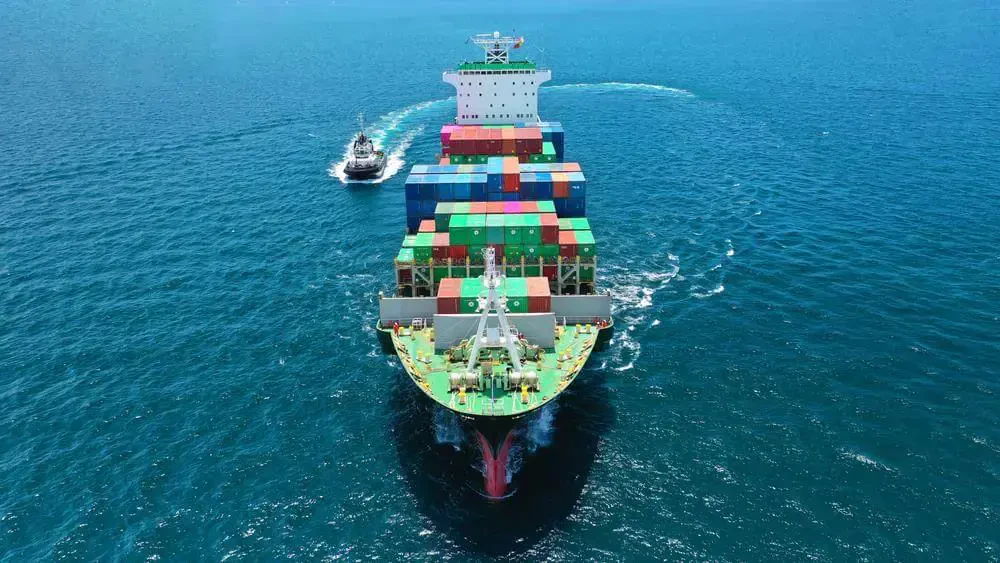
Ensuring a Smooth Moving Day and Safe Arrival of Your Belongings
Moving day is the culmination of all your planning and preparation, so it’s important to ensure everything goes smoothly. Using a moving truck to transport your items to the cargo ship or storage facilities can help streamline the process. If you’re storing non-essential items, consider renting a storage unit for long-term storage, giving you more flexibility in unpacking and organizing your new home.
Tracking the shipping process is another key step in ensuring the safe arrival of your belongings. Many international movers provide tracking systems that allow you to monitor the progress of your shipment in real-time. This feature offers peace of mind and helps you plan for the arrival of your personal belongings at the destination port.
Choosing the best option for your overseas move depends on your specific needs and circumstances. Whether you prioritize speed, cost-effectiveness, or convenience, careful planning and research will help you make informed decisions. For example, selecting the right shipping method, packing services, and insurance plans can significantly impact the success of your move.
A successful move also requires flexibility and adaptability, as unexpected challenges may arise. Being prepared to handle additional costs or delays can make the process less stressful. By staying organized and proactive, you can ensure that your overseas move is not only smooth but also a positive start to your new life in a different country.
Frequently Asked Questions
The safest approach is to work with an experienced international mover that handles packing, crating, customs paperwork, and overseas transport end-to-end. Safety depends on using reinforced cartons, wood crates for fragile items, proper export labeling, and accurate inventory lists. Factors include volume of goods, packing quality, destination import rules, port congestion, weather, and transit time. A full-service international team helps prevent damage during transfers between trucks, containers, and vessels. You can compare options through an international moving resource such as international moving and storage.
Consolidated container service is usually the cheapest method because your belongings share space with other shipments, reducing the per-cubic-foot rate. Costs vary based on container size, pickup distance from port, customs fees, and whether you pack items yourself or use a packing crew. Choosing flexible departure dates can further reduce price. Small loads generally travel in LCL cargo, while larger homes may need a full 20- or 40-foot container. Use comparison guidance from moving overseas shipping costs.
International shipping usually takes 4–12 weeks, depending on the origin city, sailing frequency, customs clearance speed, and the receiving country. Port-to-port transit may be as fast as 2–4 weeks, but door-to-door delivery adds time for export documentation, port handling, trucking on both ends, and container availability. Seasonal slowdowns, holidays, and weather in the Atlantic or Pacific can affect schedules. Delivery estimates are more predictable when using full-service support like international moving costs.
Preparation starts with creating a detailed household inventory and separating restricted or prohibited items. Pack with double-walled boxes, foam cushioning, and sealed bins for humidity protection. Electronics, artwork, and glass should be crated or wrapped with shock-absorbing materials. Check import rules for batteries, food, plants, and chemicals. Your mover will also require passport copies, a valuation form, and any destination-specific customs documents. If you need support with materials, see the guide on where to buy moving boxes.
You typically need a passport, detailed inventory list, bill of lading, customs forms, and proof of residence or work authorization for your destination. Some countries also request visa documents, tax IDs, or certificates for electronics and household goods. Requirements vary by the type of shipment and whether the move is temporary or permanent. Documentation accuracy influences clearance speed and storage charges, especially during peak season. Regulations are generally governed by customs authorities and international transport rules. Movers often reference global guidelines such as those used in moving internationally checklist.
Most overseas shipments fall between $2,000–$12,000, depending on volume, origin distance to port, destination country, container size, packing labor, and whether delivery is door-to-door or port-to-port. Larger homes needing a full container fall toward the higher end, while small LCL shipments cost less. Additional charges may include customs duties, port storage, remote-area trucking, and marine insurance. Price swings also follow fuel and ocean-freight market cycles. Cost guidance is available via moving overseas shipping costs.
Yes. Small shipments typically travel via LCL cargo, airfreight, or consolidated groupage service. These options are useful for students, expats, or anyone moving under 200–500 pounds of belongings. Transit time is influenced by consolidation frequency, customs inspection rules, and the final delivery location. Packing quality matters because small loads are handled repeatedly during transfers. For door-to-door options, you can compare services alongside standard international moving resources such as international overseas moving tips.
Most international movers offer full packing and crating, which reduces damage risk and speeds customs clearance because professionally packed shipments meet export standards. Crews use ISPM-15 compliant wood crates, moisture-barrier wrapping, and reinforced cartons. Whether you need full packing, partial packing, or specialty crating depends on volume, fragile items, and destination rules. Building management access, long carries, and elevators can also affect packing time. For guidance on comprehensive services, see moving services.