Published by Chris Townsend
Last updated Dec, 12 2025

Relocating to, from, or within Maine may feel as simple as booking a truck and picking a date—but in reality, it’s far more layered. From spring thaw restrictions on rural roads to mandatory trip permits for out-of-state carriers, Maine has some of the most unique transport-related laws in New England. What’s more, all movers operating within the state must be registered through the Maine Department of Professional and Financial Regulation, and many local moves require coordination with town or city officials for truck parking or road access.
At Three Movers, we understand that behind every smooth move is a checklist of regulatory boxes that must be ticked—permits, certificates, insurance, vehicle weight compliance, and more. That’s why we only coordinate moves with properly credentialed carriers who follow Maine’s legal requirements to the letter. Whether you’re heading up to Bangor, down to Portland, or across the state line into New Hampshire or Massachusetts, here’s what you need to know before you make your move.
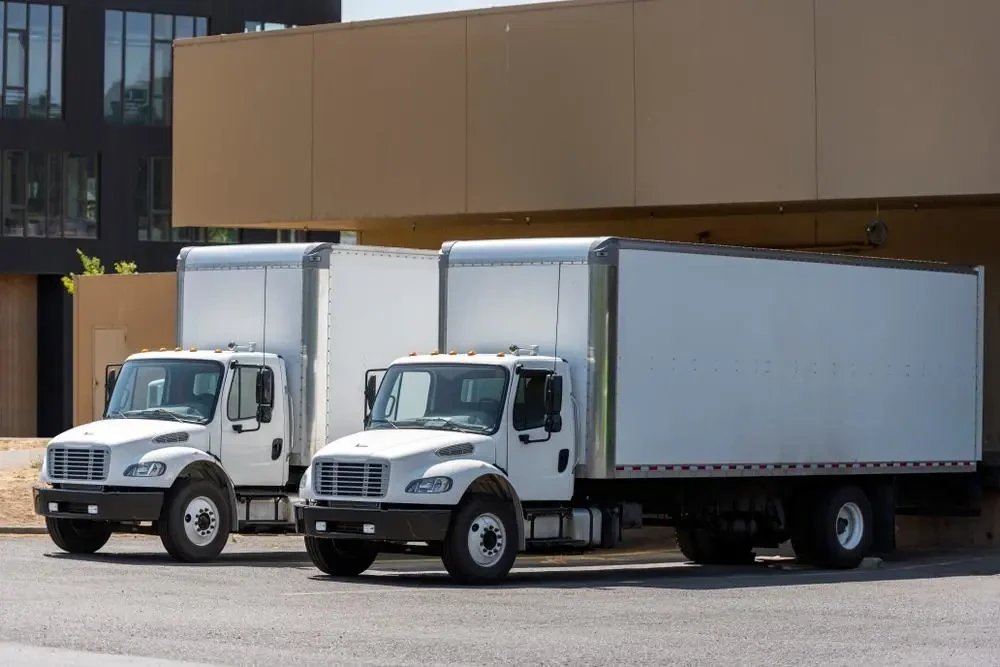
Intrastate Moves: Registration Requirements for Maine-Based Movers
Maine does not have a standalone “household goods carrier license” system like some states. However, moving companies operating entirely within Maine must still comply with state-level requirements under the Department of Professional and Financial Regulation (DPFR) and adhere to general business and transportation laws.
Requirements for Legal Intrastate Operation:
- Registration with Maine’s Bureau of Corporations as a business entity.
- Proof of liability and cargo insurance (typical minimum: $750,000 liability and $10,000 cargo coverage).
- Use of an itemized Bill of Lading that outlines pickup/delivery addresses, services, rates, and insurance.
- Employment of drivers with valid commercial driver’s licenses (CDLs) when operating trucks over 26,000 lbs.
- Adherence to state weight and safety restrictions, especially during restricted road seasons.
Three Movers ensures all carriers we coordinate with for in-state Maine moves are properly insured, registered, and fully compliant with these requirements.
Local Permits: Parking and Residential Access
While Maine doesn’t require specific residential moving permits, local ordinances may impact how and where your moving truck can park or access your home—especially in urban areas or historic neighborhoods.
Examples of Local Considerations:
- Portland: May require you to reserve a temporary no-parking zone if the moving truck will occupy curb space.
- Bangor: Some streets have size or time-based restrictions for large vehicles; advanced notice to the Public Works Department may be required.
- Historic towns (e.g., Kennebunkport, Camden): Narrow roads or cobblestone areas may limit truck access, requiring shuttle vehicles or coordination with town officials.
If any parking signs or city-owned assets are temporarily moved or blocked during a move, you may need a Right-of-Way Occupancy Permit.
At Three Movers, we help you understand and adhere these city-by-city differences, securing any local permissions and planning for tight streets or limited access zones in advance for your local relocations.

Seasonal Road Postings: Spring Thaw Weight Restrictions
Maine’s rural and secondary roads are often restricted during spring thaw (typically from late February to mid-May) to prevent structural damage from heavy vehicles. These are known as “posted roads,” and they have temporary weight limits that apply regardless of your vehicle’s standard legal status.
Key Spring Thaw Rules:
- Gross vehicle weight may be restricted to as low as 23,000 to 34,000 lbs depending on the road.
- Trucks over the limit must use pre-approved alternate routes, or request permission from the Maine Department of Transportation (MaineDOT) or local road commissioners.
- Unpermitted overweight travel on posted roads can result in fines and road damage liability.
We coordinate with our moving partners to plan around these seasonal restrictions, ensuring legal routing and protecting your schedule.
Oversize & Overweight Vehicle Permits
If your move involves transporting items or using trucks that exceed Maine’s standard size or weight limits, you’ll need a permit from MaineDOT.
What Counts as Oversize in ME:
- Width: Over 8 feet 6 inches
- Height: Over 13 feet 6 inches
- Length: Single vehicle over 40 feet; combination over 65 feet
- Weight: Exceeds 80,000 pounds GVWR, or single axle limit of 22,400 lbs
Permit Types:
- Single Trip Permit: Valid for a specific trip, often within a set 5-day window.
- Annual Permit: For frequent hauls of the same configuration.
- Mobile Home Permit: Required if transporting large residential units, including special escort rules.
Depending on the size of your load, the move may also require:
- Route survey
- Police escort
- Daylight-only travel restriction
- Special signage and safety lights
Three Movers partners with carriers who secure these permits ahead of time—so your large items or equipment arrive safely and legally.

Trip Permits & Fuel Tax Permits for Out-of-State Movers
If a moving truck registered in another state enters Maine and is not part of the International Registration Plan (IRP) or the International Fuel Tax Agreement (IFTA), it must obtain:
- A 72-Hour Trip Permit from MaineDOT (for vehicle registration)
- A 72-Hour Fuel Use Permit (if the truck is not IFTA-compliant)
These permits are required for all commercial vehicles with:
- A gross weight of over 26,000 lbs
- Three or more axles regardless of weight
Our team ensures that all out-of-state carriers entering Maine through Three Movers are properly permitted—no surprises at checkpoints or weigh stations.
Interstate Moves: FMCSA Compliance
If your move is going across state lines—into or out of Maine—it falls under federal jurisdiction, and your carrier must be compliant with the Federal Motor Carrier Safety Administration (FMCSA).
Required Credentials:
- USDOT number
- MC number (Motor Carrier authority for household goods)
- Valid federal insurance filings
- Public safety rating and driver compliance (viewable via FMCSA’s SAFER system)
At Three Movers, we screen all partner carriers for current FMCSA status and insurance to protect your long-distance move from unexpected issues.

International Moves from Maine
Despite being a northeastern state, Maine does support international moving logistics, particularly from Portland Harbor or via Boston for containerized shipping. International relocations require:
- A federally registered OTI (Ocean Transportation Intermediary) if shipping via ocean freight
- A complete inventory manifest
- Documentation including passport, visa, and customs declaration forms
- Packaging that complies with international fumigation and shipping standards
We handle these complex moves by coordinating with certified international carriers who can move your belongings from Maine to virtually any global destination.
Commercial, Government, and Military Moves
Commercial Moves:
Relocating a business in Maine often means managing:
- Certificate of Insurance (COI) for landlords or building owners
- After-hours move permits for downtown office buildings
- Coordination with elevator scheduling and loading docks
Government and Military Relocations:
For relocations involving state or federal employees—or military personnel from nearby installations like the Portsmouth Naval Shipyard—your carrier must be authorized under:
- The Defense Personal Property Program (DP3)
- Government procurement systems for public employee moves
At Three Movers, we coordinate these complex relocations with specialized providers who are familiar with public-sector rules and strict timelines.

How to Confirm Your Carrier Is Licensed
Before you book your move, be sure to verify that your carrier is:
- Registered to do business in Maine
- Properly insured for both liability and cargo
- Licensed for interstate moves (if applicable)
- In possession of any required oversize, fuel, or trip permits
Or, simply book through Three Movers. We take care of all verification steps and work only with fully credentialed, professional carriers.
Why Moving Permits in ME Really Matter
It’s not just about legality—it’s about protecting your move, your schedule, and your peace of mind.
✅ Avoid Fines & Delays
Weight violations, unpermitted routes, or non-compliance during spring restrictions can delay your move or lead to hundreds in penalties.
✅ Protect Your Belongings
Only properly licensed and insured carriers can guarantee compensation if something is damaged in transit.
✅ Ensure a Smooth Process
When everything from permits to access and parking is handled in advance, your move stays on schedule and stress-free.

Your ME Move Checklist
| Step | Requirement | Handled By |
|---|---|---|
| 1 | Register business with Maine if intrastate | Carrier |
| 2 | Secure local city/town parking or street permits | Carrier / Three Movers |
| 3 | Follow spring thaw and posted road restrictions | Carrier / Three Movers |
| 4 | File for oversize/overweight permits | Carrier |
| 5 | Obtain trip and fuel permits (out-of-state trucks) | Carrier |
| 6 | Verify USDOT/MC and FMCSA compliance (interstate) | Three Movers |
| 7 | Coordinate with port agents for international moves | Three Movers |
| 8 | Schedule building access, insurance for commercial moves | Three Movers |
| 9 | Align with DP3 or government relocation policies | Carrier / Three Movers |
Final Thoughts: Move Confidently in ME with the Right Permits in Place
Moving within or to Maine isn’t difficult when you have the right team ensuring compliance with every local, state, and federal rule. From managing narrow coastal streets to planning around rural road restrictions and weight regulations, Three Movers takes the burden off your shoulders.
We ensure that all the behind-the-scenes paperwork—from trip permits to insurance and oversize clearances—is handled before your first box is even packed.
Let your next move through the Pine Tree State be a confident one—fully licensed, fully legal, and fully supported.
Key Sources
- Maine Department of Transportation – Oversize Load and Seasonal Road Rules
- Maine Bureau of Motor Vehicles – Trip and Fuel Permits
- FMCSA – Federal Long-Distance Moving Requirements
- Maine Department of Professional and Financial Regulation – Business & Insurance Requirements
- Local municipalities (e.g., Portland, Bangor) – Parking and Right-of-Way Rules
- Federal Maritime Commission – International Moving Registration Requirements
Frequently Asked Questions
Yes. Maine moving permits and licenses are required for companies transporting household goods for hire within the state. Intrastate movers must register with the Maine Department of Transportation and meet insurance and vehicle requirements. Interstate moves fall under federal FMCSA authority instead. Permits are tied to the business, not the homeowner. Factors include whether the move is local or interstate, truck size, and commercial operation status. Personal, self-moves using rental trucks do not require a state moving permit.
A moving company in Maine needs a state-level motor carrier registration, proof of liability and cargo insurance, vehicle registration, and a valid USDOT number. Interstate movers also require FMCSA operating authority. Business structure, fleet size, and whether services include storage or packing affect licensing. These permits and licenses for your moving company must be active before advertising or performing paid moves in Maine.
Generally, Maine does not require city-issued moving permits for residential local moves. However, some municipalities require parking or street occupancy permits if a truck blocks traffic or uses metered spaces. Local rules vary by town and downtown area. Timing, truck length, and neighborhood access all matter. For short-distance moves, working with a licensed local moving service helps ensure compliance with state and local requirements.
No moving permit is required for individuals relocating to Maine for personal reasons. Maine new residents moving household goods themselves do not need licenses. If you hire a professional mover, the company must already hold valid Maine or federal authority. Factors include whether the move crosses state lines, the size of the shipment, and whether storage is involved during transit.
Interstate moves into or out of Maine are regulated federally, not by the state. Movers must have FMCSA authority and a USDOT number, along with proof of insurance. Maine state permits do not replace federal licensing. Distance, delivery timelines, and shipment consolidation affect compliance. For cross-state relocations, using an authorized interstate moving service is essential.
Operating without required Maine moving permits and licenses can lead to fines, vehicle out-of-service orders, and business suspension. Customers may also face risks such as uninsured damage claims. Enforcement focuses on commercial operators, not homeowners. Penalties depend on the violation type, move scope, and whether the company is intrastate or interstate. Always verify credentials before booking a Maine move.
The core permits are the same, but commercial moves often involve additional insurance limits and larger vehicles. Office relocations may also require building loading approvals, freight elevator scheduling, and parking permissions. Move size, equipment weight, and downtown access increase compliance needs. Businesses typically rely on licensed commercial movers in Maine to manage these logistics correctly.