Published by Chris Townsend
Last updated Apr, 08 2026

The average cost to professionally move a refrigerator is around $220, a figure that can vary significantly based on the refrigerator's size, moving distance, access difficulties such as stairs, and any special handling required. Whether opting for professional movers or a DIY approach, these factors play a crucial role in determining the overall expense of the move.
Moving a refrigerator involves various factors that influence the overall cost, with the average professional moving expense being approximately $220. This cost is affected by the appliance's size, the move's distance, and potential obstacles like stairs or tight spaces. Additionally, the choice between hiring professional services or undertaking the move independently can impact the financial outlay. This article explores the nuances of refrigerator moving costs, including DIY considerations, professional service charges, and the implications of distance on pricing, to provide a comprehensive understanding of what to expect when relocating a refrigerator.
Cost Implications of Moving a Refrigerator by Yourself
Costs must be considered when relocating a refrigerator yourself. Shifting equipment costs money. You may require appliance dollies, heavy-duty straps, and shifting blankets. The appliance must be moved carefully and effectively with this equipment to avoid damage. You'll need to spend money to buy these products.
In addition, indirect expenses may be hidden. Time, energy, and personal injury costs are among these. Moving heavy refrigerators without expert help raises the danger of injury. Injury-related time off work and medical costs must be considered. While DIY hauling may initially seem cost-effective, the cumulative costs may be higher than expected.
Professional Moving Services and Their Charges
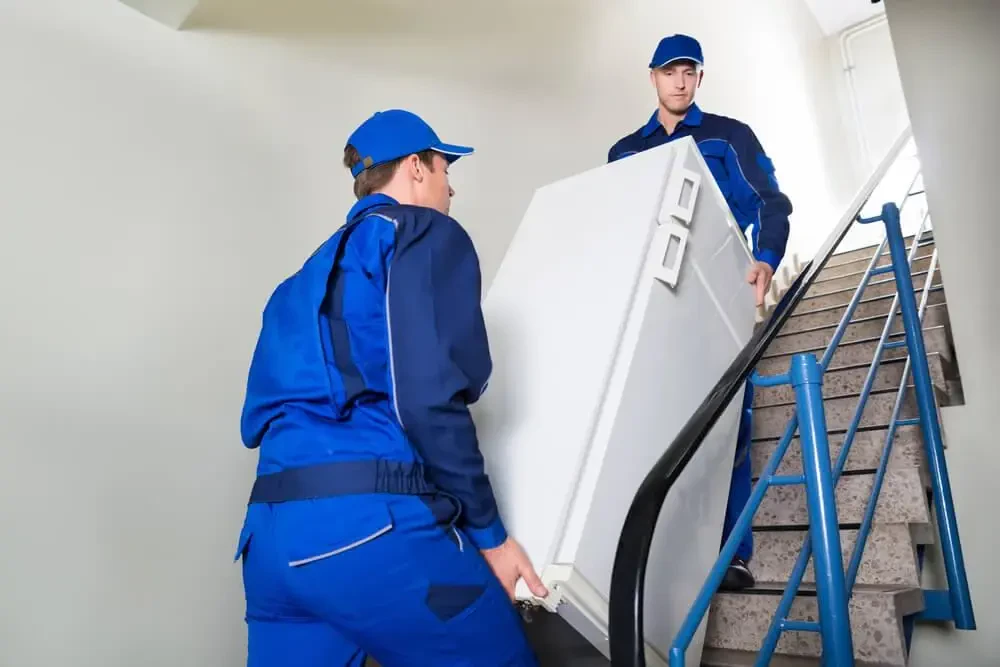
Hiring a professional to relocate your refrigerator can help, but be careful of the price. Based on fixed and variable costs, base fees for most companies range from $50 to $200. Equipment, labour, and service prices may escalate depending on complexity. Additional fees may apply for more intensive services like hauling the appliance out of a window or disconnecting the water supply.
Move complexity also affects cost. Large, delicate, or expensive refrigerators demand more work and cost more. Hauling firms may charge more for tight corridors, awkward elevators, and difficult doorways. Special hurdles like relocating the appliance up or down stairs can increase costs. Understanding these considerations might help you budget and plan your move.
Evaluating Distance and Its Impact Moving Cost
For practical reasons, refrigerator relocation costs depend on the distance between the starting site and the destination. It affects transportation logistics and fuel usage, which affects costs. Relocating long distances requires more planning, fuel, and work hours, which increases costs.
Conversely, shorter distances lower the fees. This is due to the reduced travel time, less fuel consumption, and potentially lower labour charges. Notably, if the move is local, there might also be a decrease in the need for special packaging to protect the refrigerator during transportation. It is, therefore, clear that distance plays a crucial role in determining the total cost of relocating a refrigerator.

Frequently Asked Questions
The average cost to move a refrigerator typically ranges from $150–$400 for a local move. Short-distance moves within the same home or building often cost $100–$200, while stairs, tight hallways, or heavy commercial units increase pricing. Costs are influenced by weight, number of movers, stairs or elevators, distance, and special handling like straps or floor protection. Many customers book appliance-only jobs through local moving companies.
Moving a refrigerator a short distance usually costs $100–$250. This applies to moves across a room, into a garage, or between nearby homes. Pricing depends on stairs, door clearance, crew size (2 movers minimum), and whether the fridge must stay upright. Even short moves often require professional dollies and tie-downs to prevent compressor damage. Hourly labor from movers by the hour is commonly used for these jobs.
Refrigerator moving costs rise with stairs, long carry distances, tight turns, and oversized units like French-door or commercial fridges. Older buildings, no elevator access, parking restrictions, and rush scheduling also add cost. Most moves require 2–3 movers, and improper tilting can cause coolant damage. Professional crews factor in liability coverage and equipment, which explains why pricing is higher than standard furniture moves handled by full service movers.
DIY refrigerator moving may appear cheaper, but total costs often reach $100–$180 after truck rental, dollies, straps, and risk of damage. Hiring professionals typically costs $150–$300 and includes trained labor, insurance, and proper equipment. Refrigerator injuries and compressor failures are common DIY risks. For most households, professional movers provide better value, especially when bundled with other items through moving services.
Yes. Stairs commonly add $25–$75 per flight, while elevators may add time-based charges if access is restricted or reservations are required. Narrow stairwells, split-level homes, and walk-up apartments increase labor time and crew size. Movers also account for hand-carry distance from truck to door. These surcharges are standard appliance-handling practices used by apartment movers.
Yes, refrigerators can be moved long distance, typically costing $400–$1,200+ depending on mileage and delivery timeline. Units must be fully drained, secured upright, and padded to avoid vibration damage. Long-distance appliance transport is regulated for interstate moves under FMCSA guidelines. Refrigerators are often shipped as part of consolidated loads with long distance movers.
Professional refrigerator movers carry valuation coverage, but standard liability is limited and based on weight. Full-value protection costs extra and is recommended for high-end units. Damage risk increases if a fridge is laid flat or improperly secured. Always confirm coverage terms before booking, especially for stairs or long-distance transport handled by interstate movers.