Published by Chris Townsend
Last updated Mar, 24 2026
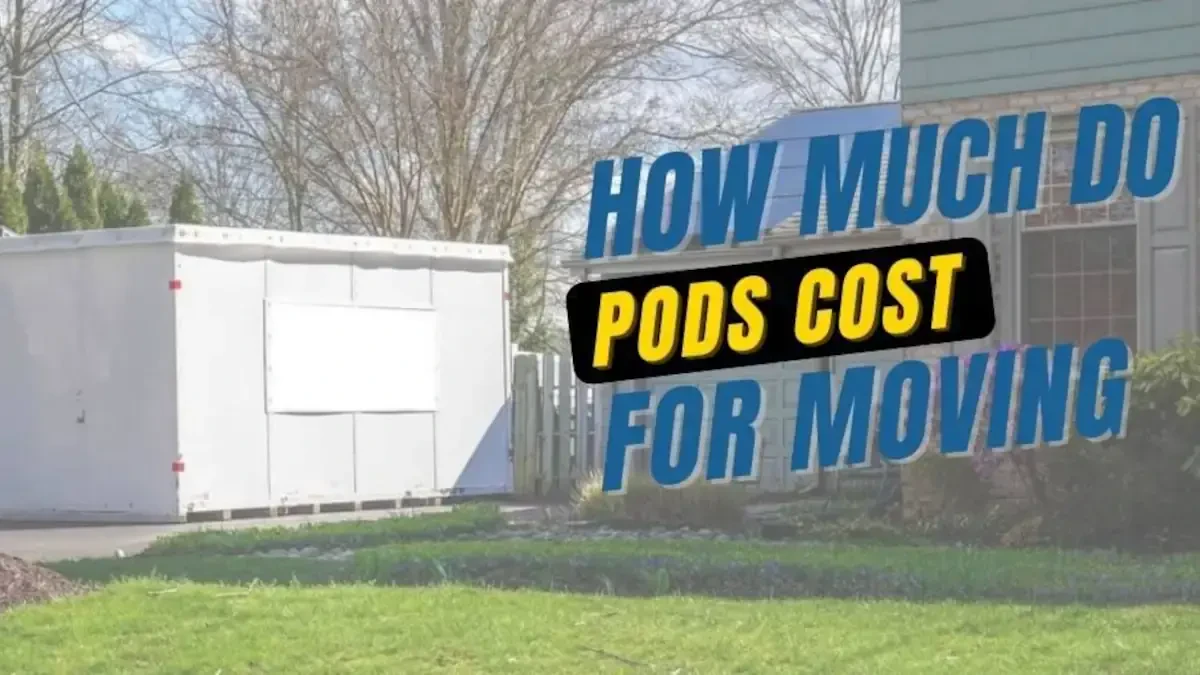
Why do two people moving the same distance receive completely different PODS quotes?The answer is simple: PODS pricing is not fixed. It depends on logistics like location, timing, container availability, and delivery conditions. That means your total cost can vary significantly, even for similar moves.
This guide breaks down how PODS pricing actually works in 2026, including monthly rental structure, delivery fees, long-distance costs, and the hidden charges that often increase your final bill. We’ll also show you how to compare container pricing with full-service movers so you can make a decision based on total value, not just the initial quote.
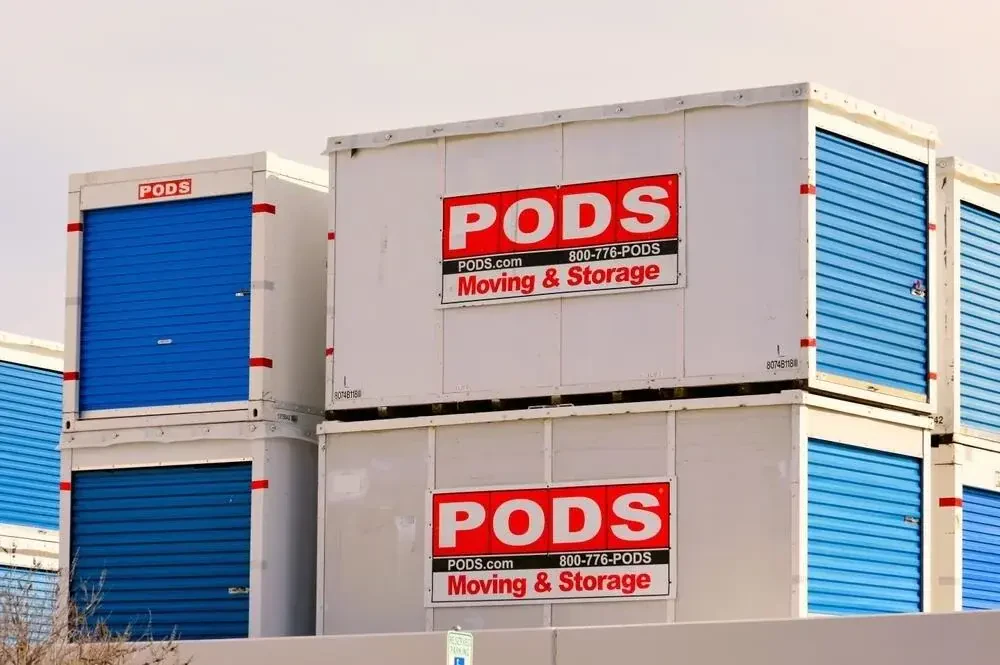
What Drives Your PODS Moving Cost Up or Down?
PODS uses dynamic pricing, meaning rates change based on demand and logistics. Understanding the key cost drivers helps you avoid unexpected price increases. To manage your pods moving cost, you must understand the specific variables that trigger price hikes:
- Distance: Local moves under 50 miles often use flat delivery fees, while long-distance routes use mileage-based rates.
- Size vs. Quantity: Renting two small units usually costs more than one large unit due to double delivery fees.
- Rental Duration: Costs compound monthly. A 32-day rental costs significantly more than 28 days because it triggers a second full month of rent.
- Complexity: Tight city streets or difficult driveway placements may increase service fees.
- Timing: Prices spike during summer weekends and month-end peak demand.
- Add-ons: Factor in locks, contents protection, and loading labor.
PODS does not publish one universal price list. Budgeting effectively means thinking in these components. When comparing moving and storage options, these levers are your best tools for price control.
Itemized PODS Costs: What You Pay and When You Pay It
Four specific cost categories determine your total pods moving cost: container rental, delivery/pickup, transport, and protection. While some fees are one-time service charges, others repeat every 30 days regardless of whether the container is in your driveway or at a facility.
Typical Cost Structure
| Fee Type | How It Works | Frequency |
| Container Rental | Base cost for using the container | Monthly |
| Delivery & Pickup | Charged for each trip to your location | One-time per trip |
| Transportation | Applies to long-distance moves | One-time |
| Storage (if applicable) | Charged if stored at a facility | Monthly |
| Contents Protection | Optional coverage tiers | Monthly |
Actual pricing varies based on location, provider, and availability.
Compare these rates to Home Depot pod rental prices to see how different service models impact your final bill.
How Distance Impacts Total Cost
Distance is one of the biggest pricing factors:
- Local moves: Typically include delivery, pickup, and one rental cycle
- Regional moves: Add transportation logistics between cities
- Long-distance moves: Include full transport coordination and scheduling
The longer the move, the more variables impact the final cost.
Two key rules to remember:
- Every additional rental cycle adds a full monthly charge
- Each additional delivery or relocation adds another service fee

How to Calculate Your Effective PODS Cost Per Mile
You are moving 1,000 miles from Chicago to Denver and trying to compare a PODS container against a rental truck or full-service movers. You’ll quickly see that pods moving cost isn't determined by a simple mileage meter. Instead, the company uses a "zip-to-zip" logistics model based on regional container availability and handling fees.
To find your effective rate for an accurate comparison, use this 4-step framework:
- Request an itemized quote: Ensure the quote separates delivery, pickup, transport, and taxes.
- Isolate transport costs: Identify the specific long-distance shipping subtotal versus the total bill.
- Divide by route miles: Divide that shipping subtotal by your total move distance to find your price per mile.
- Benchmark the value: Compare this to the industry average of $0.70 to $1.10 per mile for long-distance moves.
What to Include vs. Exclude:
- Include: Shipping fees and mandatory container handling charges.
- Exclude: Packing supplies, monthly storage fees beyond the first month, and hired labor.
Using this method ensures you compare options apples-to-apples. If the manual math is tedious, Three Movers provides all-in quotes from vetted carriers to simplify your search. If you want a fast comparison between PODS-style containers and full-service movers, start here.
Avoiding Hidden Fees: How Your PODS Moving Cost Can Spike
Did you know that larger containers often have lower weight limits? While it seems counterintuitive, a 16-foot PODS unit typically caps at 4,200 lbs, whereas the 7-foot model handles 5,200 lbs. Overloading the larger unit to meet truck weight regulations risks a refused pickup, forcing you to offload heavy items while a driver waits on the clock.
- Weight Constraints: Exceeding the 4,200-lb limit in a large unit can trigger "overweight" fees or immediate delivery cancellation.
- Permit Requirements: Street placement in dense cities requires local permits. Check service-area logistics early, as some municipalities require a 7-day lead time for parking.
- Failed Delivery Fees: A "dry run" fee of $100 to $200 applies if low wires, steep slopes, or tight turns block the hydraulic lift system.
- Coverage Gaps: Basic protection tiers often exclude burglary or specific transit damage. Always request a list of exclusions in writing before signing.
Avoid Surprises Checklist:
- Measure for 15 feet of overhead clearance and 33 feet of driveway length.
- Inventory heavy appliances before loading to stay under the 4,200-lb threshold.
- Request a written, itemized breakdown of all administrative surcharges before booking.
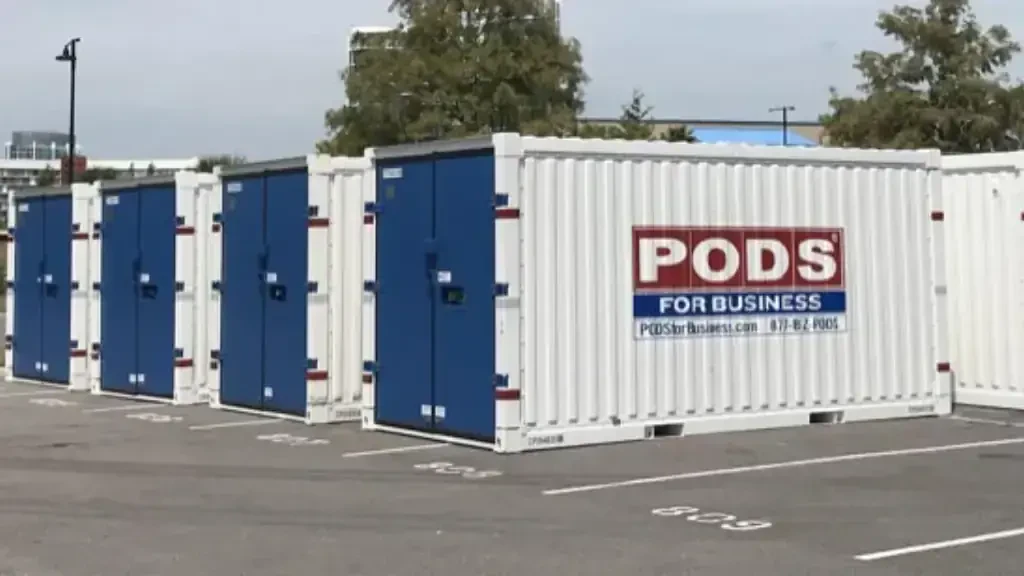
How to Calculate Your Total PODS Moving Cost
While container moving offers flexibility, your total PODS moving cost often climbs quickly once you factor in labor, weight limits, and monthly rental cycles. Use this eight-step checklist to build a true all-in budget and decide if a container or a professional mover is your best financial move:
- Pick your size: Select container dimensions based on room count and bulky furniture.
- Estimate duration: Plan for total rental months using both best-case and worst-case scenarios.
- Itemize fees: Request specific delivery and pickup fees for both your origin and destination.
- Compare storage: Choose between on-site or facility storage and price the monthly difference.
- Check insurance: Add a protection plan or confirm what your existing policy covers.
- Budget for labor: Include the cost of hired help for loading if you aren't doing the heavy lifting.
- Check permits: Factor in local parking permits or driveway clearance fees to avoid dry run charges.
- Compare quotes: Gauge your total against three vetted mover quotes for the same dates.
If your total container estimate is within 15% of a full-service quote, a professional mover is usually the smarter investment. This choice eliminates the risk of hidden fees and the physical strain of managing logistics alone.
Want to compare PODS vs full-service options side-by-side? Get a free quote. Prefer to talk it through? Call (888) 202-0036 to speak with a specialist.
Frequently Asked Questions
For a local move in 2026, PODS costs typically range from $350 to $800, while long-distance relocations generally fall between $3,000 and $7,000. These rates are calculated based on your specific zip-to-zip route and container availability in your area. While local quotes often include the first 30 days of storage, long-distance moves require additional transport fees that vary by mileage and season.
The PODS monthly rental cost usually ranges from $150 to $350 per container, and this price does not automatically include facility storage. If you keep the unit on your own property, you only pay the base rental fee. However, moving the unit to a secure PODS storage center typically adds a surcharge of $50 to $150 per month.
PODS does not use a fixed cost per mile, but the effective rate for long-distance transport typically averages between $0.70 and $1.10 per mile. Their pricing model is dynamic and depends on the specific logistics of your route rather than a universal mileage fee. To find your effective rate, divide the transport subtotal on your quote by the total distance of your move.
Yes, PODS charges separate delivery and pickup fees that usually range from $100 to $200 for each trip the truck makes to your property. You should expect an initial fee for the drop-off and a final fee for the pickup at your destination. It is important to get these service fees in writing because address changes or redeliveries can trigger additional charges.
The weight limit for a 16-foot PODS container is 4,200 pounds, whereas the 7-foot container has a higher limit of 5,200 pounds. If you exceed these limits, the hydraulic lift system may fail to pick up the unit, leading to "dry run" fees and the hassle of unloading heavy items. To avoid this, distribute heavy furniture evenly and use a scale for boxes containing books or tools.
PODS offers various discounts for military members, veterans, and AAA members, which often range from 10% to 25% off the total order. Student and senior discounts are less common and usually depend on local promotional offers at the time of booking. You should always compare your final discounted price against a professional moving quote from a marketplace like Three Movers to ensure the container is truly the most cost-effective option.
If you are still unsure whether PODS is the best deal for your dates, compare options with a quote.