Published by Chris Townsend
Last updated Dec, 29 2025
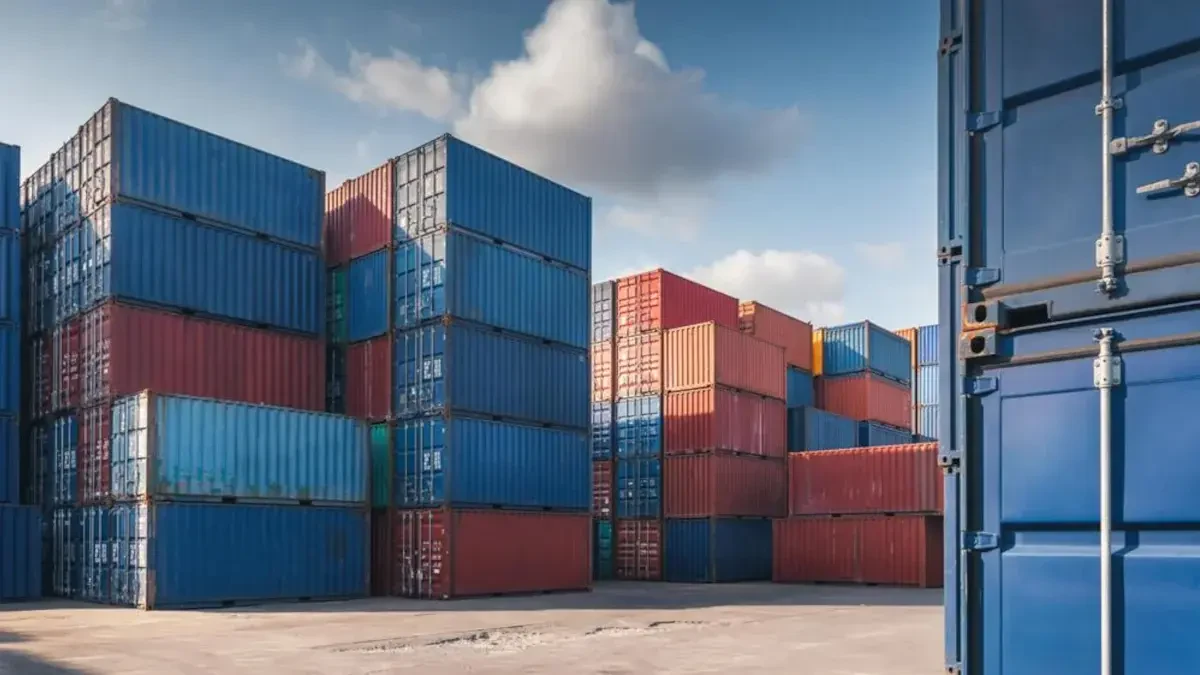
To haul a 20-foot shipping container, you'll need a suitable truck or trailer equipped to handle the container's weight and dimensions. A wide-arm forklift is also essential for safely lifting and transporting containers without tipping or shifting. Always prioritize safety and ensure the container is securely fastened during transit.
Shipping containers, particularly the 20-foot type, are a standard for international shipping due to their versatility and convenience. A standard 20-foot shipping container is generally 20 feet long and 8 feet in height and width. This leads to a total capacity of approximately 1,170 cubic feet. While these are the general dimensions, specific measurements can vary slightly, so confirming the exact dimensions is always good before planning a shipment.
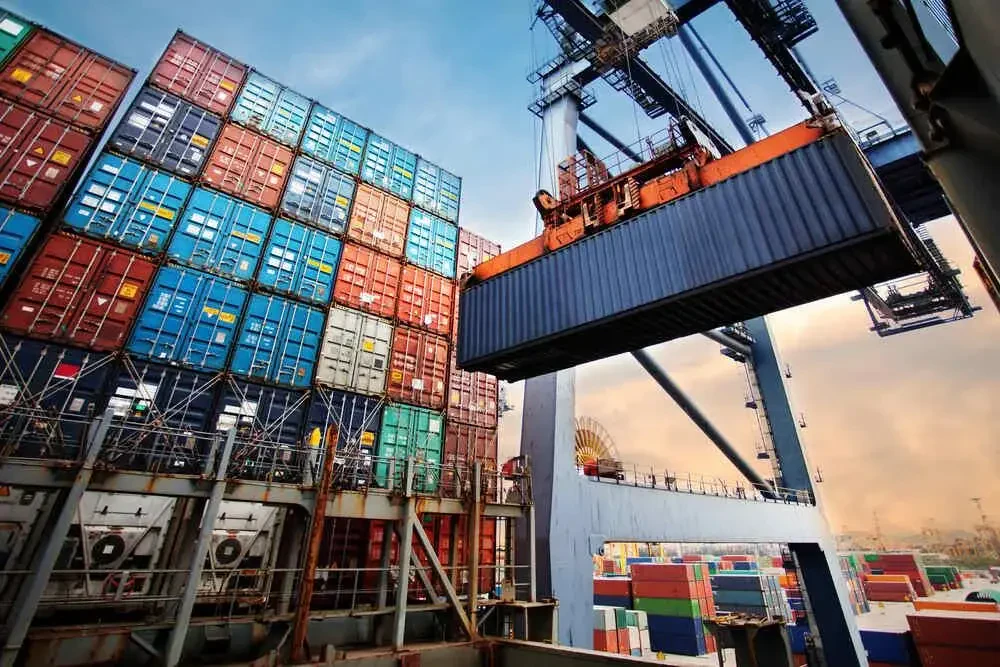
Securing the Necessary Equipment for Hauling a Shipping Container
When hauling a shipping container, the choice of equipment is critical. It is not merely about having a robust vehicle but also considering factors such as the weight of your load and the distance to be covered. Modern hauling equipment developed specifically for shipping containers, such as roll trailers, goosenecks, and bomb carts, offer enhanced safety and ease of operation. Renting or purchasing such equipment requires a thoughtful understanding of your hauling needs and the prevailing road conditions.
Properly securing your load within the shipping container is only half the story. Effectively fastening the container to the hauling vehicle forms the other half. Failure to do so may result in accidents, cargo loss, and potential damage to the container or the vehicle. Hence, the emphasis is on using reliable chains, load binders, and other fastening equipment that abide by industry standards and regulations. Additionally, operators must regularly adjust and check these ties during the journey to cope with potential slackening due to vibrations and jerks.
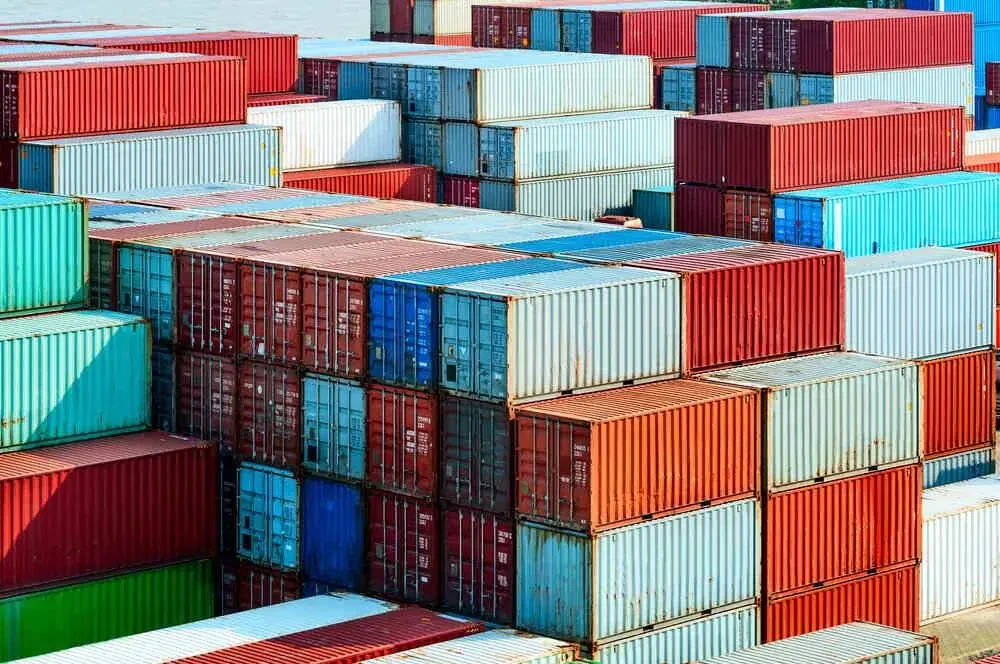
The Importance of Properly Loading Your Shipping Container
Improper loading of a shipping container can lead to many potential problems. These issues may range from damaged goods due to shifting during transit to more serious concerns, such as imbalances that pose significant safety risks to the cargo, the vehicle, and the crew involved. Properly loaded containers not only ensure the safety of the cargo but also maximize the available space, which can drastically bring down the cost of shipping.
There are specific rules and guidelines set by international shipping laws that must be followed when packing a shipping container. Adhering to these stipulations guarantees that customs officials will not reject your cargo and that it will sail smoothly through various international borders. Moreover, correct packing procedures also facilitate easier and faster container unloading at its destination. All these factors combined make it essential to put in the time and effort to load your shipping container correctly.
Frequently Asked Questions
You haul a 20 foot shipping container using a tilt-bed truck, flatbed trailer, or container chassis rated for heavy loads. The container is lifted or winched using a crane, forklift, or hydraulic system, then secured with chains and twist locks. Key factors include container weight up to 5,000 lbs empty, road access, permits, and whether the move is local or interstate under FMCSA rules. Professional moving services handle equipment coordination and compliance.
A tilt-bed rollback, 40-foot flatbed, or 20-foot container chassis is required to safely transport a 20 foot shipping container. The choice depends on pickup clearance, ground conditions, and whether loading requires ground-level access. Heavier loaded containers may require tandem-axle trailers and DOT-compliant securement. Interstate moves must meet FMCSA cargo securement standards, which experienced long distance moving service providers already follow.
A standard 20 foot shipping container weighs about 4,800 to 5,200 lbs empty and can legally carry up to 48,000 lbs of cargo, depending on road limits. Total hauling weight determines truck class, axle requirements, permits, and route planning. Overweight loads may trigger state DOT restrictions, bridge limits, and time-of-day travel rules that must be planned in advance.
Permits may be required if the combined weight, axle load, or dimensions exceed state or local limits. Most 20 foot containers fall within legal width and height, but overweight permits are common when fully loaded. Interstate container transport is regulated by FMCSA, while intrastate rules vary by state DOT. Parking, loading zones, and temporary street closures may also require city permits.
Yes, a 20 foot shipping container can be moved without a crane using a tilt-bed truck or side-loader system. These methods allow ground-level loading and unloading when overhead clearance is limited. However, uneven terrain, soft ground, or tight urban access may still require crane support. Site conditions, container weight, and placement accuracy all influence the method used.
Hauling a 20 foot shipping container typically costs $500–$1,500 for local moves and $2,000–$5,000 for long-distance transport, depending on distance, weight, equipment, permits, and loading complexity. Additional costs may apply for cranes, escorts, storage time, or restricted access. Interstate container moves are priced differently than standard household moves due to equipment specialization.
It is considered local if moved within the same metro area, intrastate if transported farther within one state, and interstate if crossing state lines. Interstate container hauling is regulated by FMCSA and requires licensed carriers, proper insurance, and compliant equipment. The classification affects pricing, permits, delivery timelines, and liability coverage.