Published by Chris Townsend
Last updated Dec, 29 2025

Movers operating within the state of Florida are required to be registered with the Florida Department of Agriculture and Consumer Services (FDACS). This state registration is mandatory regardless of any local, municipal, or county licensing requirements.
Florida has specific regulations that hauling companies must adhere to for operating within the state. These rules are enforced by the FDACS, which is responsible for licensing and regulating intrastate movers. The article delves into the various aspects of these regulations, from written estimates to insurance requirements, and how they serve to protect consumers.
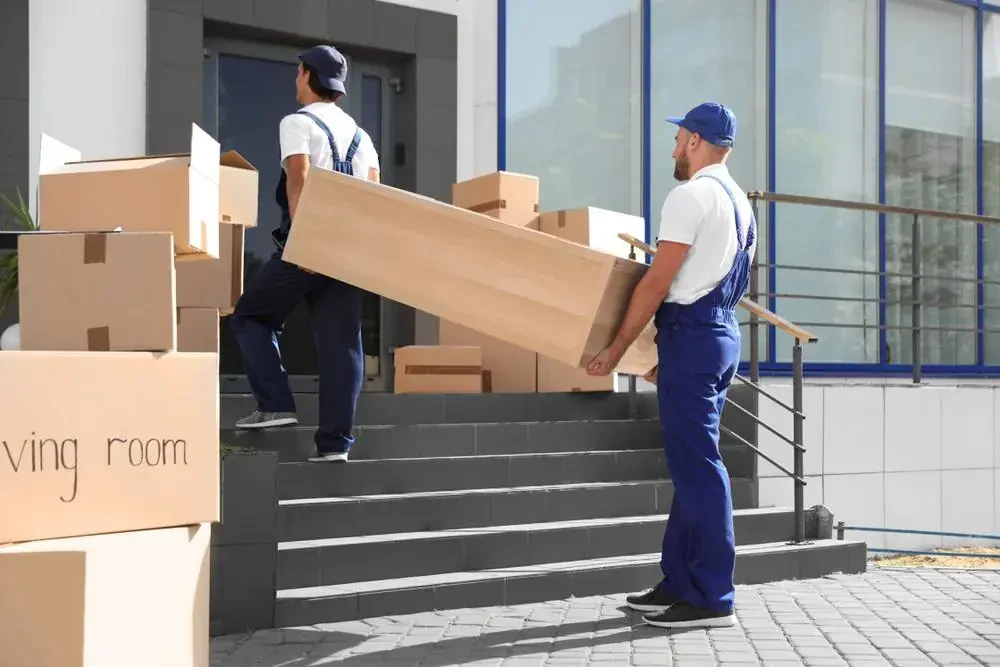
The Importance of Licensing for Movers in Florida
Licensing is a critical aspect for movers in Florida. It serves as an assurance of quality and professionalism, ensuring that the moving company adheres to certain standards set by the state. The licensing process involves thorough checks on the safety measures adopted by the company, their insurance policies, and their overall track record in providing shifting services.
The importance of licensing extends beyond just maintaining professional standards; it also plays a significant role in protecting consumers. When you hire a licensed hauler, you can have peace of mind knowing that your belongings are handled by professionals who are accountable for their actions. A license acts as proof that the shifting company has met all necessary requirements and passed stringent tests to ensure they provide top-notch service.
Moreover, if any disputes or issues arise during the move, having hired a licensed mover increases your chances of resolving them effectively through legal channels. Unlicensed hauler may not be bound by certain regulations which could leave customers at risk should problems occur during transit. Therefore, hiring licensed movers offers more than just reliability - it provides security and peace of mind throughout what can often be a stressful process.

How Licensing Protects Consumers
Licensing plays a pivotal role in safeguarding consumers from fraudulent moving companies. It serves as an assurance that the company is operating within the legal framework established by the state of Florida. Shifters are required to adhere to certain standards and regulations, which include maintaining appropriate insurance coverage, providing accurate estimates, and handling claims for lost or damaged goods in a timely manner.
The licensing process also involves thorough background checks on the company's history and its principles. This ensures that they have not been involved in any illegal activities or unethical practices. Furthermore, licensed relocators must maintain their good standing by complying with all regulatory requirements and resolving customer complaints satisfactorily. Consumers can benefit greatly from choosing haulers because it offers them recourse should anything go wrong during the move. If a consumer has an issue with a licensed mover - such as damage to personal belongings or disputes over charges - they can file a complaint with the regulating body that oversees these licenses. The agency then investigates these complaints and takes necessary action against companies found violating rules or regulations.

Frequently Asked Questions
Yes. Movers need a license in Florida to legally transport household goods for hire within the state, whether handling apartments, homes, or offices. Florida requires intrastate movers to register with state authorities, while companies offering interstate moving service must also carry FMCSA authority. Licensing confirms insurance coverage, published tariffs, and consumer protections, helping reduce fraud, cargo loss, and surprise pricing.
Florida moving companies need a state issued intrastate household goods mover registration for moves within Florida, while companies offering long distance moving service across state lines must also hold an FMCSA USDOT number. The required license depends on move distance, service scope, and whether goods cross state borders, with many movers carrying both credentials to operate legally.
You can check a mover’s license by reviewing Florida registration records and confirming permit status listed under official Florida moving permits guidance. Always match the registration name to contracts and truck markings, and verify USDOT numbers for interstate jobs. This helps avoid uninsured operators, deposit scams, and movers operating outside legal authority.
Yes. Any company offering paid household moves must be licensed, including short distance jobs provided by a local moving service within the same city. Licensing applies regardless of apartment size, hourly pricing, or crew count, and includes small apartment moves, senior relocations, and furniture-only transportation for hire.
Hiring an unlicensed mover increases the risk of no cargo insurance, unenforceable contracts, and limited legal remedies if items are damaged or held hostage. Unlike licensed movers operating under Florida rules and regulated interstate moving service standards, unlicensed operators are harder to hold accountable for delays, losses, or billing disputes.
Yes. Movers offering long distance moving service from Florida to another state must comply with federal FMCSA rules in addition to state level requirements. This includes USDOT registration, minimum cargo insurance, and adherence to delivery window regulations, even when loading begins and payment is collected in Florida.
Florida licensing protects consumers by enforcing written estimates, published rate schedules, and minimum insurance coverage, especially for customers booking a local moving service during high demand seasons. These rules limit surprise fees, improve delivery accountability, and provide a formal complaint process if service standards are not met.