Published by Chris Townsend
Last updated Feb, 26 2026
How Much Does It Cost Of Shipping A Container To Republic Of The Congo?
Republic of the Congo Container Shipping Cost
If you want to ship a container to Congo, or anywhere else in the world, you’ll have to deal with a lot of planning, documentation, and logistics. If you are not experienced with this, it can easily become overwhelming. Fortunately, Three Movers is more than experienced in dealing with these types of delivery processes. We have a proven track record of excellence and will take care of your needs with efficiency and care.
For your new shipments, you can get free international hauling rates estimates, then you can open a free account with. We can help you ship items that have declared value from the USA to your shipping address.
Factors That Affect The Cost Of Shipping
No matter where you’ll ship your container to, there are always the same things to consider when it comes to price. The distance to travel is an obvious element at play. The further away you are sending your container, the more it’ll cost. The way you choose to transport it is also important. Some forms are slower than others, like sea freight, but they come with benefits in expenses. Air cargo is faster than most, but can quickly become very expensive.
Next, there’s volume or weight, depending on the mode you selected. For sea transport, volume is the measure they use in regards to the charge of transport. For air, it’s weight. The price will be directly proportional to the amount of items to transport.
Finally, the season and the final port of call are both factors to keep in mind. Taxes are a universal fact no matter where you ship, however port-specific service costs may vary. Shipping rates tend to rise during the busiest months of the year, so knowing when to ship might help you save money.
Which Size Of Transporting Container Is Best For Me?
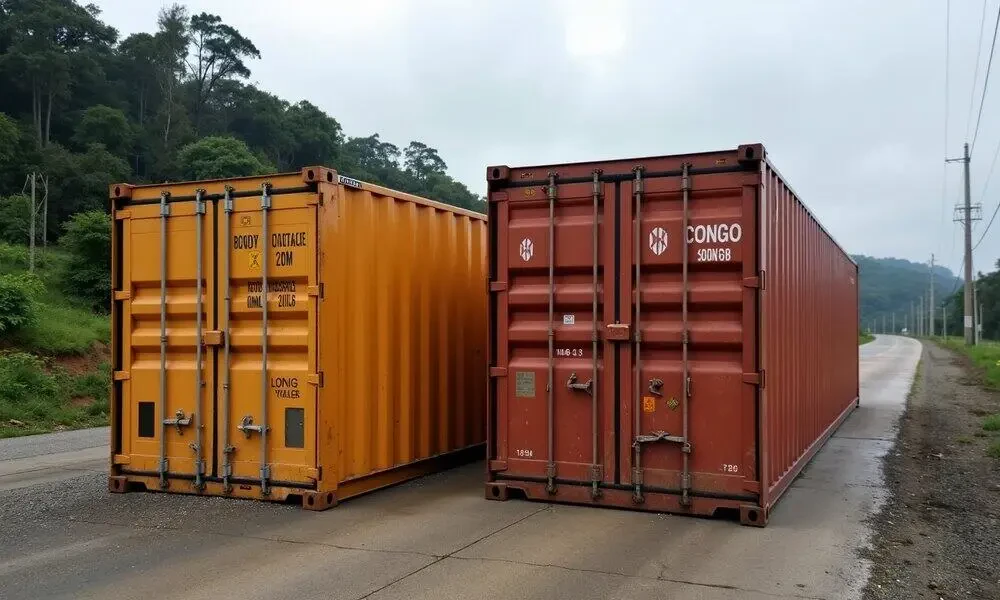
There are several types and sizes of containers, but people normally work with two: 20ft or 40ft. The former is better for smaller households (about 3 bedrooms of content), while the latter can accommodate double the amount. A 20ft container has 25-28cbm (cubic meters) worth of space, which is about the size of a garage. A 40ft container has 54-58cbm of usable space, so you can comfortably fit a vehicle and many more items in it.
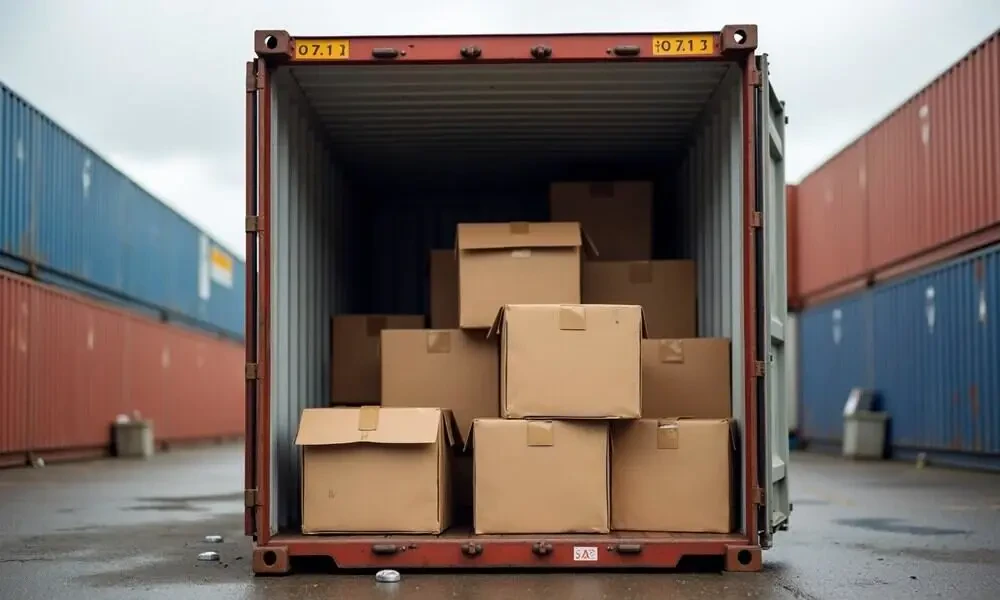
If you don't have enough items to fill either, you could select an alternate style of load. Full Container Load (FCL) is the traditional option, best for those that have enough to fill a container. The alternative is Less Than Container Load (LCL), where you share the space of a container with other customers.
Instant Rates For Shipping Containers To Republic of the Congo

Average Container Relocating Rates Estimates
FCL shipping is best for transporting lots of boxes, pallets and anything which will require a full container shifting to Republic of the Congo of up to 45,000lbs.

Full Container Load (FCL) Delivery Charges | |
|---|---|
| 20ft Container | $2300 |
| 40ft Container | $3400 |
LCL shipping is more affordable way to transport less than container load shipments to Republic of the Congo.
Less Than Container (LCL) Delivery Charges | |
|---|---|
| LCL | $390/CBM |
| Household Goods | $3550 |
| Personal Effects | $3250 |
International house moving to Republic of the Congo services - quick, easy and cheap.

Aboard House Hauling Prices | |
|---|---|
| Partial House (2000Lbs & Less) | $2228 |
| 1 Bedroom (3850Lbs) | $2550 |
| 2 Bedroom (4500Lbs) | $2725 |
| 3+ Bedroom (8750Lbs) | $3047 |
International auto transport services to Republic of the Republic of the Congo via Ro Ro and container ships. Ship cars, trucks, suvs, atv's, boats, RV's, heavy equipment and more.

Container Car Shipment | |
|---|---|
| Sedan (Container) | $2080 |
| SUV (Container) | $2125 |
| Sedan via RORO | $700 |
| SUV via RORO | $650 |
Understanding The Different Types Of Freight Transportation
Depending on where you are located, and where you are shipping, you’ll be using sea, air, or land freight transportation.
Land freight transportation is the cheapest option, and very effective when it is available. However, if you aren’t connected to the country by land it won’t be a choice.
In other cases, you’ll choose between sea and air cargo shifting. Transporting by cargo plane is the fastest option but it has a limit on the amount of weight you can send. Cargo ships on the other hand don’t have as many limits for weight. Volume is what they account for. However, they are significantly slower than planes, but they are also 5 times cheaper.
Additional Relocation Expenses
There are a few additional shipping costs that you need to consider:
- Custom duties
- Container inspection fees
- General Rate Increase
- Inland delivery charges
- Quarantine fees
- Insurance
Custom duties are unavoidable, and will largely depend on the destination country and port. Depending on where your container docks, you might have to cover fees for general inspection, and quarantine inspections. If you are sending your items from the port directly to a location, that will incur extra charges. However, this is the most convenient way to do it.
What Is the Next Step?
All you need now to get started is a price quote. It’s crucial to have one in order to know what kind of budget you’ll need. We can offer you a reliable quote that’s also free. Simply fill out our web form or call us at (888) 202-0036.
Find Cargo Containers For Freight Transport & Relocation
Frequently Asked Questions
Shipping a Container To Republic Of The Congo requires a Bill of Lading, commercial invoice, packing list, certificate of origin, insurance certificate, and a valid import license. Congo customs may also request a pre shipment inspection certificate depending on cargo type. Documentation must match declared values, weights, and HS codes to avoid port delays at Pointe Noire. Inaccurate paperwork can extend clearance beyond 7 to 14 business days and increase storage charges.
Prohibited imports include illegal drugs, firearms, explosives, counterfeit goods, hazardous waste, and pornographic materials. Restricted items such as pharmaceuticals, agricultural products, used electronics, and second hand machinery often require advance authorization from Congolese authorities. Enforcement takes place primarily at Pointe Noire port. Misdeclared cargo may be confiscated, and penalties can exceed the shipment value depending on customs findings and regulatory violations.
Yes. Most imports are subject to customs duties, VAT commonly around 18 percent, port handling charges, and customs broker fees. Rates depend on product classification, declared value, and shipment type. Storage fees begin after the free port period, often 5 to 10 days. Accurate classification and declared valuation help prevent reassessments, fines, and demurrage during international shipments handled through an experienced international moving company.
Standard clearance at Pointe Noire typically takes 7 to 14 business days once the vessel arrives and documents are filed. Delays occur if inspections are triggered, duties remain unpaid, or valuation discrepancies arise. Containers selected for physical inspection may remain longer, increasing demurrage costs. Working with professionals experienced in international moving and storage reduces documentation errors and helps avoid preventable holds.
FCL, Full Container Load, means your cargo occupies an entire container, reducing handling and often improving transit predictability. LCL, Less Than Container Load, consolidates goods from multiple shippers, which may extend transit due to warehouse sorting and deconsolidation. Shipment size, cargo sensitivity, and budget determine the best option. For high value or time sensitive freight, many shippers choose FCL for added control and reduced handling risk.
Ocean freight transit times vary by origin. From major U.S. East Coast ports, shipping to Pointe Noire generally ranges 25 to 40 days. West Coast departures may take 35 to 50 days due to routing and transshipment schedules. Weather conditions in the Gulf of Guinea, port congestion, customs inspections, and whether the shipment is port to port or door to door all influence final delivery timelines.
Standard containers are wind and watertight but not fully protected from internal condensation. Ventilation is minimal, which can affect moisture sensitive goods during long ocean transit. Desiccants, vapor barriers, and proper palletization reduce risk. For climate sensitive or high value cargo, specialized equipment may be recommended. Proper packing methods significantly reduce damage risk during long distance international container transport.
A 20 foot container typically allows about 44,000 pounds gross weight, including the container itself. A 40 foot container commonly ranges between 44,500 and 59,000 pounds gross, depending on carrier and equipment specifications. Actual payload capacity is lower after subtracting tare weight. Road weight limits at origin and destination ports may also restrict loading, and overweight containers can be refused before vessel departure.