Published by Chris Townsend
Last updated Jan, 06 2026
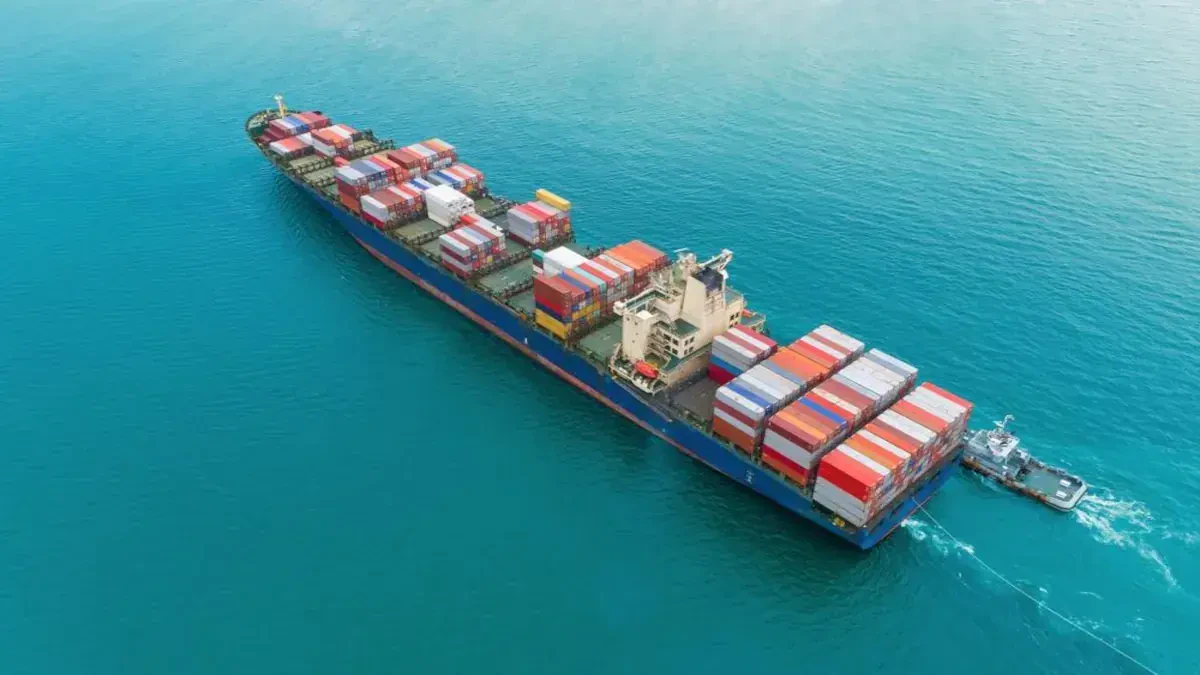
How Much Does It Cost To Ship A Container To North Korea?
North Korea Container Shipping Cost
The total cost involved in shipping a container to North Korea is affected by various factors thereby making it vary significantly and become a complicated matter sometimes. Nevertheless, you shouldn't worry much as Three Movers are readily available to assist you with all the modalities required for shipping your container to North Korea.
This guide will explain all the factors involved in shipping containers to North Korea and the cost that goes with it.
Factors That Affect the Cost of Shipping
There are factors to be considered when calculating the cost to ship a container to North Korea.
The Volume/Weight of The Goods
This is determined by the kind of shipping you use because sea freight deals mostly with the dimensions of your goods while air freight deals mostly with the weight of your goods. Therefore, the cost of shipping your goods is influenced by the volume or weight.
Type of Transport
The period and cost taken for your goods to arrive are also determined by the transportation mode. Sea freight is much more economical but slow, whereas air freight is a lot faster but more expensive.
The Distance of the Journey
The distance it takes to ship your container has a significant role to play in the cost of shipping. A shipment covering a larger distance will cost more than a short-distance shipment.
The Destination Port
Customs tariffs and service costs are unavoidable in every country. However, these tariffs differ from country to country. North Korea has a VAT of 10% on imported goods and a special excise tariff of 10-20% imposed on certain luxurious items.
The Time of Year
Autumn is the peak season for shipping in North Korea due to the mild weather. Shipping of goods is higher due to high demand during these seasons.
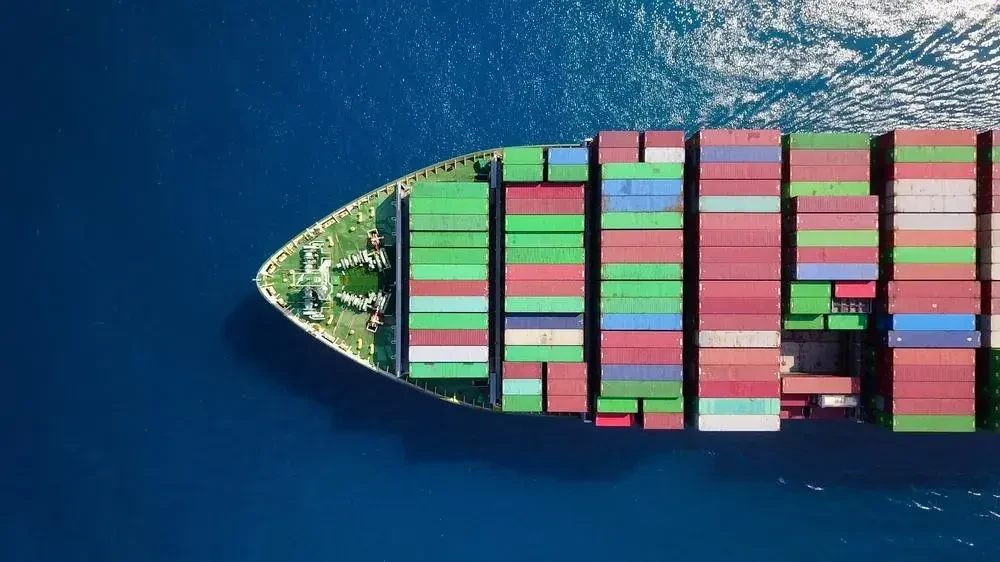
Instant Rates For Shipping Containers To North Korea
Average Container Shipping Rates Estimates

FCL shipping is best for transporting lots of boxes, pallets and anything which will require a full container shipping to North Korea of up to 45,000lbs.
Full Container Load (FCL) Shipping Rates | |
|---|---|
| 20 ft Container | $340 |
| 40 ft Container | $390 |
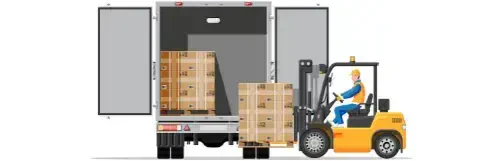
LCL shipping is more affordable way to transport less than container load shipments to North Korea.
Less Than Container (LCL) Shipping Rates | |
|---|---|
| LCL | $57/CBM |
| Personal Effects | $440 |
| Household Goods | $490 |

International house moving to North Korea services - quick, easy and cheap.
International House Moving Costs | |
|---|---|
| Partial House (2000Lbs & Less) | $470 |
| 1 Bedroom (3850 Lbs) | $1290 |
| 2 Bedroom (4500 Lbs) | $1880 |
| 3+ Bedroom (8750 Lbs) | $2250 |

International auto transport services to North Korea via RoRo and container ships. Ship cars, trucks, suvs, atv's, boats, RV's, heavy equipment and more.
Container Car Shipping | |
|---|---|
| Sedan (Container) | $1090 |
| SUV (Container) | $1150 |
| Sedan via RORO | $780 |
| SUV via RORO | $850 |
Which Size of Shipping Container Works for Me?
Shipping containers are of 16 types but your sole concern should be only on two (the 20ft and 40ft containers). The rest are for industrial and business-related moves.
How Big Is A 20ft Container?
A 20ft container is capable of storing the entire content of a three-bedroom home.
How Big Is A 40ft Container?
A 40ft container gives you double the space of a 20ft container with a little fraction of the cost. It is value for money especially when you have lots of items to move.
The Difference Between FCL and LCL
A system has been designed by us for persons with a small volume of goods, whereby many clients can share one container. This is called the "Less Than Container Load" (LCL).
It is suitable for someone moving the contents of a one-bedroom apartment. However, if the volume exceeds that, then the customer should use an entire container. This is called the "Full Container Load" (FCL).
Understanding The Different Types of Freight Transportation
The mode of transportation is an important factor to consider in international shipping. This information will aid your decision:
Sea Freight services
North Korea has a cargo-passenger ferry for ocean freight shipping service but it is mostly used for tourism.
Air Freight shipping service
It is the best option for moving items to North Korea because it is faster and they have a lot of cargo aircraft.
Train Freight
This system is not ideal in North Korea as the railways are not properly maintained and it takes longer for movement between destinations.
Truck Freight
This is a better option for transporting your goods via land. It is straightforward and your goods can be delivered to your doorstep.
Additional Shipping Costs
After deciding on the mode of transportation to use, you need to also consider the following additional shipping charges:
- Customs duties
- Generate Rate Increase (GRI)
- Container inspection fees
- Inland delivery charges
- Quarantine fees
- Insurance cover
What's Next?
Having clarified the cost of shipping a container to North Korea, you can count on Three Movers to guide and help you ship your container. Kindly fill our web form to get a free custom quote in minutes.
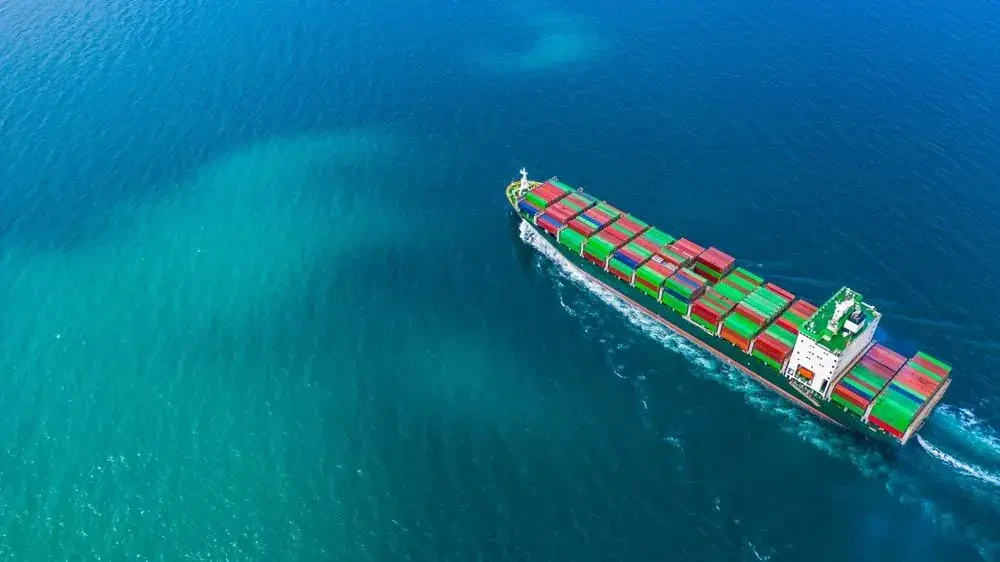
Find Cargo Containers For Freight Transport & Relocation
Frequently Asked Questions
The cost of shipping a container to North Korea typically ranges from $8,000–$15,000+ for a 20ft container and $12,000–$25,000+ for a 40ft container. Rates reflect indirect routing through China or Russia, sanctions compliance costs, limited carrier access, and extended inspections. Pricing increases with container size, cargo authorization status, security screening, port congestion, and documentation reviews required for regulated international shipping.
Container shipping rates are elevated due to international sanctions, restricted ports, and a very small pool of compliant carriers. Most containers require third-country transshipment, which adds port handling and storage fees. Costs also include insurance risk premiums, regulatory audits, and irregular sailing schedules. Unlike standard Asia trade lanes, pricing remains volatile because carriers must meet strict enforcement and monitoring requirements before accepting cargo.
Container shipments are only permitted under specific sanctions exemptions approved by governing authorities. Most commercial cargo is prohibited. Approved shipments usually involve humanitarian aid, medical supplies, or diplomatic materials, all requiring advance licensing. Unauthorized shipments can lead to fines, cargo seizure, or criminal penalties. Every approved shipment must comply with international trade controls and maritime enforcement standards.
Nearly all containers are transported via ocean freight, routed through Chinese or Russian ports before final delivery. Full Container Load (FCL) is standard due to security and documentation requirements, while LCL is rare and slower. Transit times often range 30–60+ days, depending on inspections, port access windows, and clearance approvals. Air freight is generally unavailable for containerized shipments to this destination.
Required documents typically include a commercial invoice, packing list, bill of lading, export license, and sanctions exemption approval. Additional paperwork may involve end-use statements, certificate of origin, and compliance declarations. Documentation errors can stop a shipment indefinitely. For broader preparation guidance related to regulated overseas moves, review international overseas moving tips.
Prohibited goods include consumer electronics, vehicles, luxury items, machinery, industrial metals, dual-use materials, and most commercial products. Even humanitarian goods face quantity and usage restrictions. Cargo intended for resale or profit is usually denied. All shipments are screened under sanctions enforcement, and violations can result in seizure or penalties under international trade law.
Accurate estimates require confirmed cargo eligibility, container size, origin port, and approved routing. Costs fluctuate due to inspection timelines, port storage fees, and compliance processing. Instant calculators are unreliable for sanctioned destinations. Reviewing how regulated carriers structure approvals through international moving agencies helps set realistic expectations before formal licensing and carrier negotiations.