Published by Chris Townsend
Last updated Feb, 25 2026
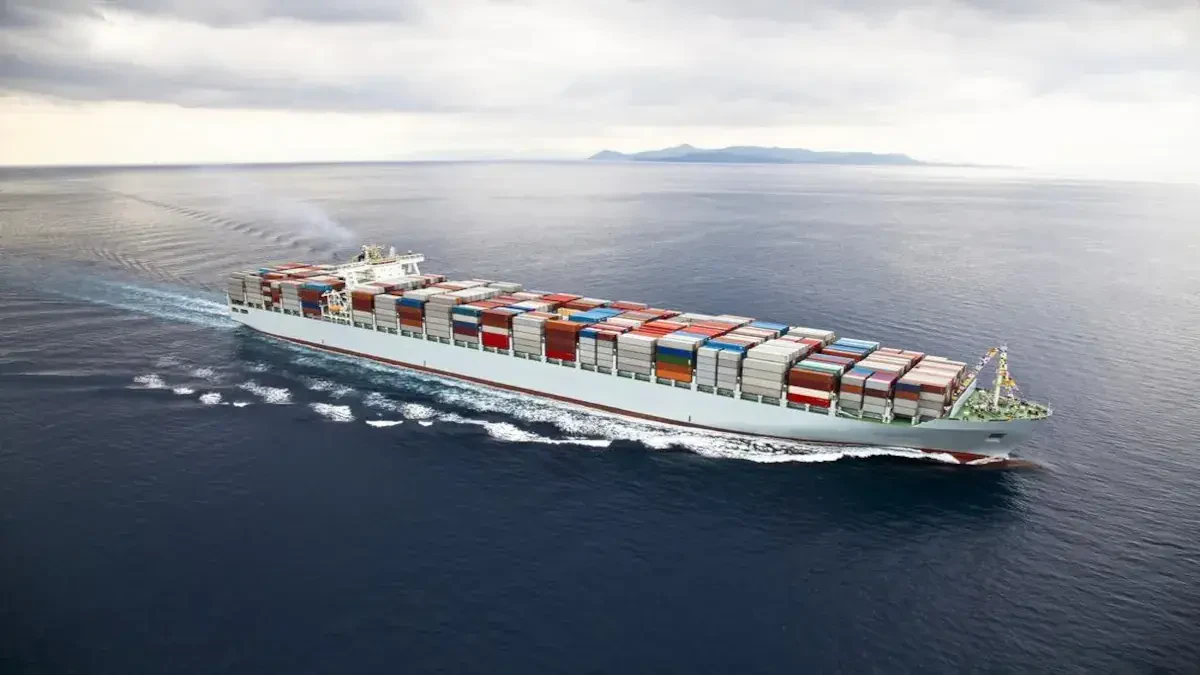
How Much Does It Cost To Ship A Container To Kosovo?
A person who wants to ship items to Kosovo, most likely won’t know what to expect. The person might not even have the faintest idea because there are factors that will affect the cost of relocation. For a start, the size of your cargo, and the distance between the originating country and the destination country, will be a factor in determining the cost of shipping. There are other factors to consider, but first, know that Three Movers ships items to Kosovo. We will go into detail and help you understand these factors.
Factors That Affect the Cost of Hauling to Kosovo
These are the main factors to consider when relocating a container:
- The volume and weight of the items to be shipped: The more the items you intend to ship, the higher the cost. The same goes for weight.
- The type of transportation used: Transportation of cargo by air is faster, but will increase the cost of transporting when compared to relocating by sea in certain conditions. Transporting certain items to the landlocked country might be slightly more expensive since they will be cleared in a different country and brought to their destination by land.
- Distance: The distance between the two countries will affect the cost of shipping. The hauling address and final destination of the container can also affect cost.
- The destination port: The destination port affects the cost of relocating cargo because port fees can vary.
- The peak period for relocating items to Kosovo is between August and October. Shipping during this period affects the cost of shifting.
Which Size of Container Works Best for Me?
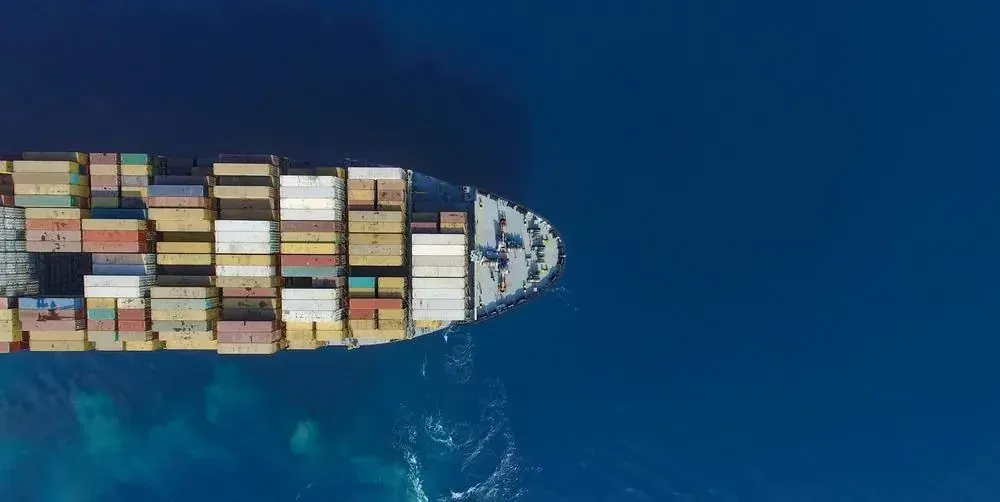
Without experience, it will be difficult to estimate the right container size for your cargo. Let us make the calculation easier. The contents of a three-bedroom house can fit into a 20ft container. A 20ft container, alternatively, can contain around 50 fridges. If you know your intended cargo is more than this estimation, it would be a good idea to look into using a 40ft container.
These estimations assume your items will fill the container. This kind of relocation is called Full Container Load (FCL). There are situations where a person’s cargo doesn't fill a container. In such a scenario, the customer should consider Less Than Container Load (LCL). In LCL, shipments from different clients will be aggregated into a single container and shifted. Cubic meters is the metric used in calculating cost.
Average Container Relocating Rates Estimates

FCL is best for transporting lots of boxes, pallets and anything which will require a full container shipping to Kosovo of up to 45,000lbs.
Full Container Load (FCL) Shipping Rates | |
|---|---|
| 20 ft Container | $900 |
| 40 ft Container | $1165 |
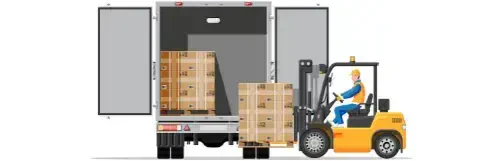
LCL is more affordable way to transport less than container load shipments to Kosovo.
Less Than Container (LCL) Shipping Rates | |
|---|---|
| LCL | $75/CBM |
| Personal Effects | $495 |
| Household Goods | $545 |

International house moving to Kosovo services - quick, easy and cheap.
International House Moving Costs | |
|---|---|
| Partial House (2000Lbs & Less) | $385 |
| 1 Bedroom (3850 Lbs) | $1870 |
| 2 Bedroom (4500 Lbs) | $2400 |
| 3+ Bedroom (8750 Lbs) | $2900 |

International auto transport services to Kosovo via RoRo and container ships. Ship cars, trucks, suvs, atv's, boats, RV's, heavy equipment and more.
Container Car Shipping | |
|---|---|
| Sedan (Container) | $1730 |
| SUV (Container) | $1850 |
| Sedan via RORO | $950 |
| SUV via RORO | $1080 |
Understanding The Different Types of Freight Transportation
The primary methods of freight transportation are sea freight, air freight, truck, and rail. The first three methods are the most common methods of transporting cargo into the country.
The choice of method depends on the kind of item being shipped. If the cargo consists of household items or a car, shipping by sea is a more suitable option. Since the destination country is landlocked, transportation by sea might take more time than usual. This should be factored into the decision.
There is also the option of freight transportation by air. It can be quicker than sea transportation, but it is usually more expensive. Smaller items, fragile items, or items that are time-sensitive, will benefit from freight by air. In the case of air transport, the cargo has to be inspected and cleared at the destination airport and then transported inland by a vehicle or a smaller plane.
Additional Transporting Costs
There are usually additional costs when shipping a container anywhere. The additional relocating costs to expect are:
- Insurance: Insuring items adds to the overall cost of shipping. They are vital in providing much-needed cover for your cargo.
- Customs clearance fees: Kosovo has a value-added tax (VAT) of 8% on essential goods and 18% on other imported goods. There is also a 10% custom fee on non-agricultural imports.
- Inspection: You might be charged for inspection of the hauled items. This will add to the overall cost.
- General Rate Increase (GRI): This is an adjustment of freight rates across specific trade routes. If the demand for shipping on a route increases, shipping costs might also increase.
- Delivery Times: The delivery times can add to costs. If a client requires express transporting, there will be additional costs.
What’s Next?
The next step is contacting us for a free quote. You can fill the online form or call us at (888) 202-0036 to find out about our exceptional service.
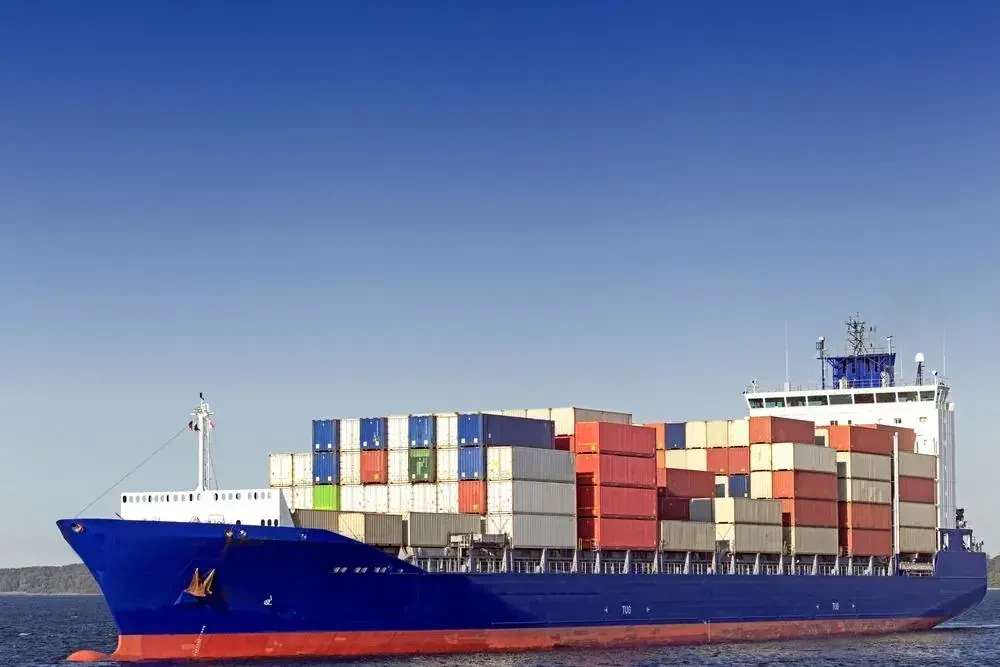
Find Cargo Containers For Freight Transport & Relocation
Frequently Asked Questions
Shipping A Container To Kosovo typically costs between $2,500 and $6,500 for a 20-foot container and $4,000 to $8,500 for a 40-foot container from major U.S. ports. Final pricing depends on container size, origin port, ocean freight rates, fuel surcharges, customs clearance, inland delivery in Kosovo, and whether you choose port-to-port or door-to-door service. Costs also vary by season, cargo volume, special items, and required documentation. For broader pricing factors, see international moving costs.
Transit time for Shipping A Container To Kosovo averages 4 to 8 weeks door-to-door. Ocean freight typically takes 25 to 40 days, depending on departure port and transshipment schedules through major European hubs. Additional time is added for customs clearance, inland trucking to cities like Pristina, and port congestion. Weather delays and documentation accuracy also affect timelines. Full container loads generally move faster than shared shipments due to fewer handling points.
You will need a bill of lading, commercial invoice or detailed inventory, packing list, passport copy, and customs declaration forms. Kosovo customs may require proof of ownership for used household goods and applicable duty documentation. Accurate paperwork reduces inspection delays and storage fees at European transit ports. For household relocations, inventory accuracy and value declarations are critical. Professional coordination through an experienced international moving company helps prevent clearance issues.
Yes. Most carriers provide online tracking using the container or bill of lading number. Tracking updates typically show departure port, transshipment hub, customs release, and estimated arrival window. Keep in mind that ocean tracking updates in phases rather than real-time GPS. Delays may occur due to port congestion in Europe or customs holds. Door-to-door services often provide consolidated updates through a dedicated logistics coordinator.
A 20-foot container is suitable for a 1–3 bedroom home, while a 40-foot container fits a 3–5 bedroom household or large-volume shipment. The right choice depends on total cubic feet, furniture size, and whether you are shipping vehicles or oversized items. Underfilling a larger container increases cost unnecessarily, while overloading risks damage. For smaller shipments, consolidated freight may reduce expenses compared to a full container.
Used household goods may qualify for duty relief if you are relocating and meet Kosovo residency requirements. New items, high-value electronics, or commercial quantities are typically subject to customs duties and VAT. Charges depend on declared value, item category, and supporting documentation. Incorrect valuation can trigger inspections or penalties. Planning ahead and verifying eligibility through your shipping coordinator helps avoid unexpected clearance costs and storage fees.