Published by Chris Townsend
Last updated Dec, 11 2025

How Much Does It Cost Of Shipping A Container To Grenada?
Personal items, in addition to consumables, can be shipped abroad. The cost of shipping a container overseas depends on the transfer process.
Three Movers can help you ship your container internationally. We're a moving firm that provides services to many places all over the world, including Grenada.
Though we can streamline logistics, it's still important to know your options before you start packing things. So to further help you, here are the things you need to know about the cost of shifting a container to Grenada.
How much does it cost to move a container to Denmark?
How much does it cost to move a container internationally? A full container load normally costs between $2,000 and $3,000 to ship internationally, while smaller container loads are often less expensive.
But keep in mind that the overall cost of shipping a container overseas can be influenced by other factors such as mode of transport, destination, and season.
Sometimes relocating costs more than usual especially during certain months. Summer and the days immediately following the Chinese New Year are particularly busy for the shipping industry. You might expect to spend more for shipping during certain months.
The months of January through April are Grenada busiest. The country ports will likely be bustling with visitors throughout these months.
Aside from that, these factors might also affect your hauling cost:
- Insurance
- Packing
- Taxes and Custom fees
- Inspections
- General Rate Increase
- Storage
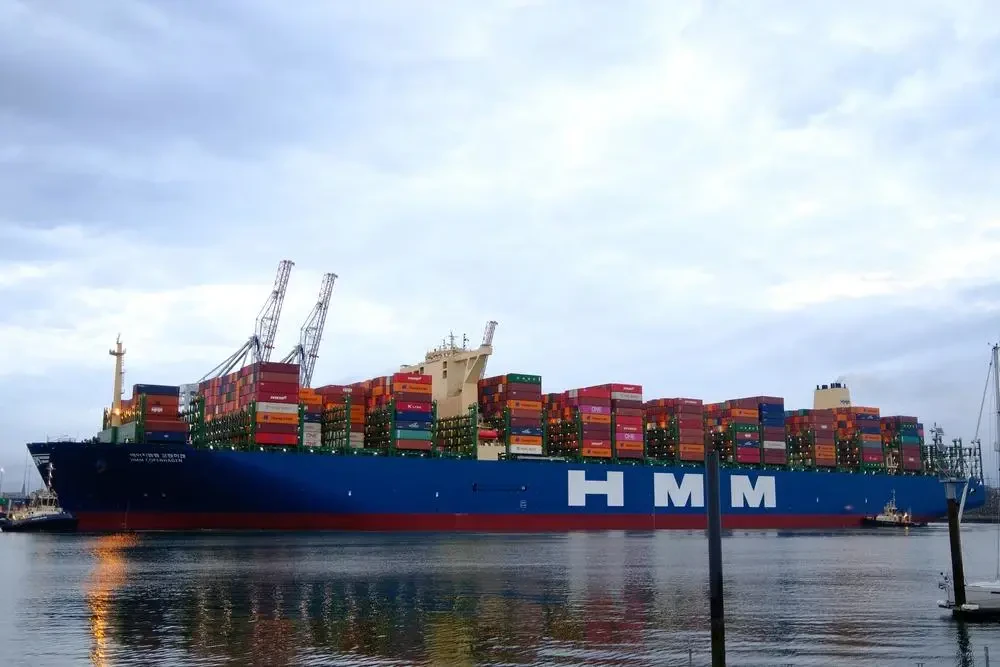
Average Container Shipping Rates

FCL shipping is best for transporting lots of boxes, pallets and anything which will require a full container shipping to Grenada of up to 45,000lbs.
Full Container Load (FCL) Shifting Rates | |
|---|---|
| 20 ft Container | $1634 |
| 40 ft Container | $1957 |

LCL shipping is more affordable way to transport less than container load shipments to Grenada.
Less Than Container (LCL) Shipping Rates | |
|---|---|
| LCL | $135/CBM |
| Household Goods | $895 |
| Personal Effects | $645 |

International house moving to Grenada services - quick, easy and cheap.
International House Moving Costs | |
|---|---|
| Partial House (2000Lbs & Less) | $735 |
| 1 Bedroom (3850 Lbs) | $2807 |
| 2 Bedroom (4500 Lbs) | $3804 |
| 3+ Bedroom (8750 Lbs) | $4505 |

International auto transport services to Grenada via RoRo and container ships. Relocate cars, trucks, suvs, atv's, boats, RV's, heavy equipment and more.
Container Car Shipping | |
|---|---|
| Sedan (Container) | $2807 |
| SUV (Container) | $2900 |
| Sedan via RORO | $1225 |
| SUV via RORO | $1296 |
Which Size of Container Works Best for Me?
It's best to choose between a 20ft and 40ft container. These are the ideal containers for moving residential and commercial stuff.
A 20ft container can hold the contents of a three-bedroom house. That would include all of your belongings in your garage, living room, kitchen, bedroom, and bathroom.
On the other hand, the 40ft container has 285 sq ft (26.47m2) of floor space and 2,120 cubic ft (60m3) of volume. That means it could include 20 standard pallets or 800 flat-screen TVs.
If your items could not fill the entire container, you can share the space with another person so you wouldn't have to pay for the whole thing. This shipping model is called LCL or less container load.
But in case you don't want to mix your things with another person, choose FCL or full container load. Pay for the entire container to ship your stuff.
Different Types of Freight Transportation
You have three options for freight transportation:
- Land
- Air freight
- Sea freight
Land transit is the most used transportation for intercontinental shipments because it's fast and efficient. However, this is only available to places that are accessible through roads or rails.
Since you're going to ship a container to Grenada, the best option could be air or sea freight.
Air cargo is the fastest mode of transportation but also the most expensive. The cost of moving a container through air freight will depend on the weight of your cargo. That's why if you're relocating a container overseas, ocean freight hauling is the best option.
Sea freight is the slowest type of transportation. It would take days or weeks before your container arrives at its destination. Despite its pace, this approach is cost-effective. It's probably not as cheap as land transport, but it's definitely not as expensive as air freight.
What's next?
Now that you know the factors that could affect the cost of relocating a container to Grenada, your next move is to contact us! We'll give you a free quote then we can start packing your things.
You can call us at (888) 202-0036 or send us an email at [email protected].

Frequently Asked Questions
You will typically need a commercial invoice, packing list, bill of lading, arrival notice, and a certificate of origin. Grenada Customs may also require import declarations, permits for regulated goods, and licenses for items such as medicines or agricultural products. Requirements vary by shipment type and whether the cargo uses FCL or LCL service. Accurate paperwork prevents clearance delays and storage fees. For additional preparation support, see our international moving and storage page.
A Bill of Lading is the carrier-issued document that confirms cargo ownership, destination, and condition at loading. It also serves as a shipment receipt and is required for Customs release. For container shipping, the document includes container numbers, weight, shipper details, and routing instructions. Missing or inaccurate information can affect delivery scheduling and port clearance.
A freight forwarder manages the full logistics process, including carriers, documentation, and routing. A broker connects shippers with carriers but does not physically handle cargo. An NVOCC issues its own Bill of Lading and contracts space with ocean carriers. For container shipments to the Caribbean, forwarders and NVOCCs often coordinate consolidation, FCL bookings, Customs entries, and delivery at the receiving port.
Grenada restricts hazardous materials, firearms, counterfeit goods, perishables, certain chemicals, and controlled plant or animal products. Additional permits may apply to medicines, plants, and certain food items. Customs enforces strict inspections, and undeclared restricted goods can lead to seizure or administrative penalties. When planning a household or commercial shipment, confirm regulations early or request guidance through our international moving costs resource.
Grenada typically assesses a value-added tax around 15 percent on most imports, plus category-specific duties. Common consumer goods fall within 10–30 percent, depending on classification. Customs bases fees on CIF value (cost, insurance, freight). Total landing costs can increase if inspections, storage charges, or handling fees apply at the port. Accurate cargo valuation and documentation help avoid re-assessment.
FCL containers move directly once loaded, usually following a fixed vessel schedule. LCL shipments require consolidation at origin and deconsolidation at destination, adding handling steps and potential port calls. LCL may pause for rework at regional hubs, making it slower but cost-efficient for smaller loads. Seasonal congestion and weather patterns in the Eastern Caribbean can influence both service types.
Yes. Carriers provide online tracking using the container number, Bill of Lading number, or booking number. Updates show gate-in, vessel loading, transshipment milestones, and arrival at Grenada’s port. Tracking intervals differ by carrier, and updates may slow during ocean segments. For shipments that include inland trucking, the visibility depends on the carrier’s integrated systems.
Yes. International ocean shipments face exposure such as rough-sea movement, container handling impacts, and general average events. Insurance typically covers physical loss or damage based on the cargo’s declared value. Without coverage, compensation is limited under carrier liability rules. Insurance is recommended for both household and commercial shipments, especially when shipping fragile or high-value goods.