Published by Chris Townsend
Last updated Apr, 05 2026
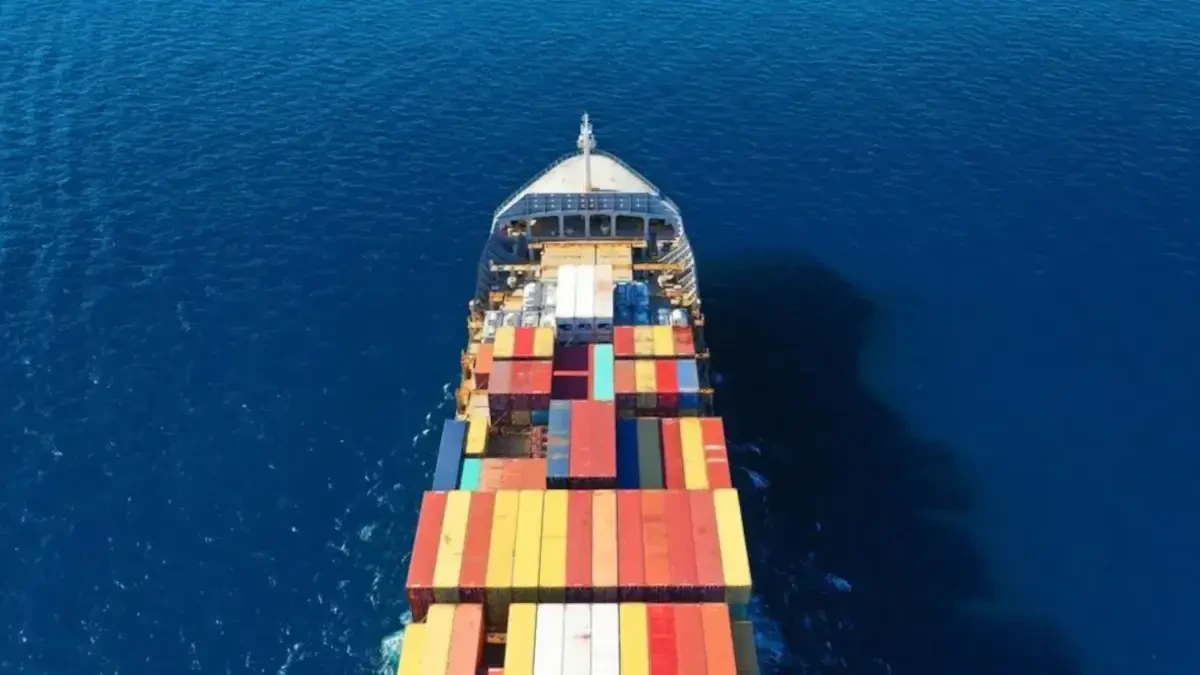
How Much Does It Cost To Ship A Container To Democratic Republic of the Congo?
Democratic Republic of the Congo Container Shipping Cost
Shipping a container isn’t an easy process. There’s documentation to consider for the items that you send, budgeting for several different factors, packaging properly to ensure the safety of your items, and much more. Honestly, this is one type of move that you’ll want to leave to professionals. Three Movers is exactly who you’ll need. We ship containers all over the world all the time, including to the Democratic Republic of the Congo. We are experienced in all the logistics necessary to pull off a successful international shipment. Let us enlighten you on what goes on in this kind of process.
Factors That Affect The Cost Of Shipping
Anywhere you ship a container to, you’ll run into the same issues. You have to consider the weight of your cargo if shipping by air, or the volume if shipping by sea. You need to think about the taxes and fees related to the destination port. You have to make sure you choose the correct method of transportation for your freight, and you also have to consider the time of the year. Did we mention that distance is also a huge factor? Logically, the further away you are shipping the more you’ll need to pay.
Out of all these variables, one that you can control that will really affect the final price is the time of the year. There are peak seasons in the shipping industry in which demand is much higher, which reduces the availability of equipment and containers. This can result in an increase in charges.
Which Size Of Shipping Container Works Best For Me?
While there are several types and sizes of containers, you will most likely be working with one of two sizes: 20ft or 40ft. The 20ft container has about 25-28cbm (cubic meters) of space that you can use. This is about the size of a garage. To help you visualize, it can store about 100 washing machines. The 40ft container can store twice as much (54-58cbm) without being twice as expensive.
There are also two types of container load modes that you can choose from. Full Container Load (FCL) and Less Than Container Load (LCL). FCL is for those who can fill up a container completely. It’s the most cost-effective option, and it has the benefit of keeping your items safer due to being all pushed together. A loose object in a container can end up causing damage. LCL is the option for those that don’t have that many items but still need to ship them internationally. To make up for the smaller load, your container will be shared with other customers.
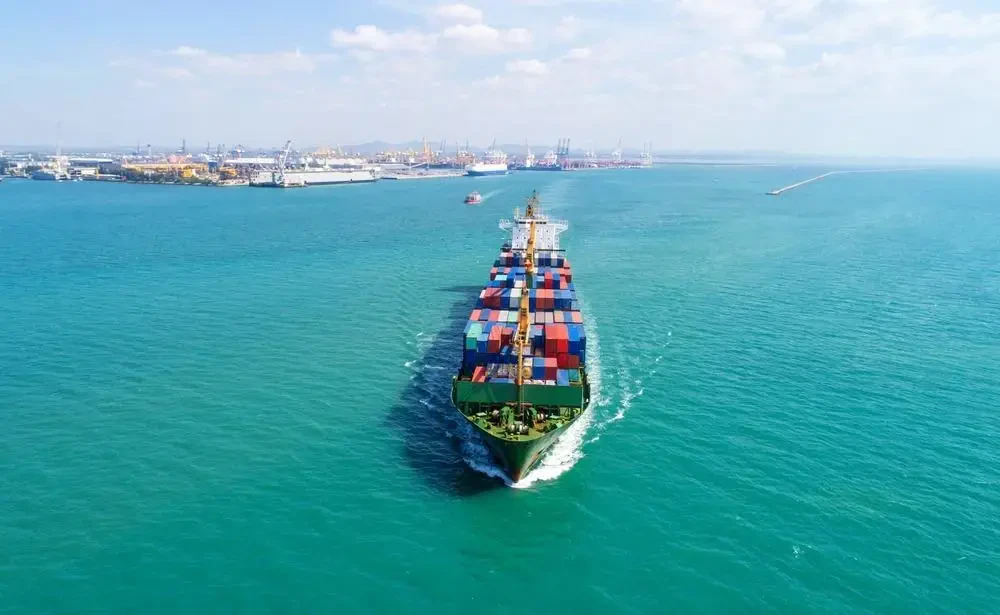
Instant Rates For Shipping Containers To Democratic Republic of the Congo
Average Container Shipping Rates Estimates

FCL shipping is best for transporting lots of boxes, pallets and anything which will require a full container shipping to Equatorial Guinea of up to 45,000lbs.
Full Container Load (FCL) Shipping Rates | |
|---|---|
| 20 ft Container | $2095 |
| 40 ft Container | $2757 |

LCL shipping is more affordable way to transport less than container load shipments to Equatorial Guinea.
Less Than Container (LCL) Shipping Rates | |
|---|---|
| LCL | $179/CBM |
| Personal Effects | $874 |
| Household Goods | $1352 |

International house moving to Equatorial Guinea services - quick, easy and cheap.
International House Moving Costs | |
|---|---|
| Partial House (2000Lbs & Less) | $1527 |
| 1 Bedroom (3850 Lbs) | $3190 |
| 2 Bedroom (4500 Lbs) | $3613 |
| 3+ Bedroom (8750 Lbs) | $4294 |

International auto transport services to Equatorial Guinea via RoRo and container ships. Ship cars, trucks, suvs, atv's, boats, RV's, heavy equipment and more.
Container Car Shipping | |
|---|---|
| Sedan (Container) | $2287 |
| SUV (Container) | $2387 |
| Sedan via RORO | $1845 |
| SUV via RORO | $1954 |
Understanding The Different Types Of Freight Transportation
There are 3 types of freight to choose from. You can go with land, sea, or air freight transportation. For land freight, you have the option of using a truck or a train. Trucks have more flexible schedules but have to account for traffic which makes them slower. Train freight, on the other hand, is faster and cheaper, but not all places will have the infrastructure in place for this option.
If you aren’t connected to the destination country by land, neither of them will be an option. In those cases, you’ll choose between a cargo plane or a ship. Shipping by air can be very expensive, as the cost for the weight of the cargo can quickly add up. However, it’s a significantly faster option than sea freight. Sea freight does have the benefit of being around 5 times cheaper, as it doesn’t care as much about the weight of your items. You can talk to your freight forwarder to advise on the best shipping method that fits your budget and items.
Additional Shipping Costs
There are a few additional shipping costs that you need to consider:
- Custom duties
- Container inspection fees
- General Rate Increase
- Inland delivery charges
- Quarantine fees
- Insurance
You should seriously consider getting insurance coverage for your shipping voyage. International shipping is more secure than ever, but it’s still a complex process where you won’t want to be in a position where you are liable for damages. It’s a no-brainer to get coverage. Ask your shipping company about it. Insurance rates are traditionally based on the monetary value of your items as opposed to the weight or volume.
What’s Next?
Now you are ready to get started. The next step is to get a quote. It’s the only way to make heads or tails of what you’ll be looking at in terms of budget. Simply fill out our web form or call us at (888) 202-0036.
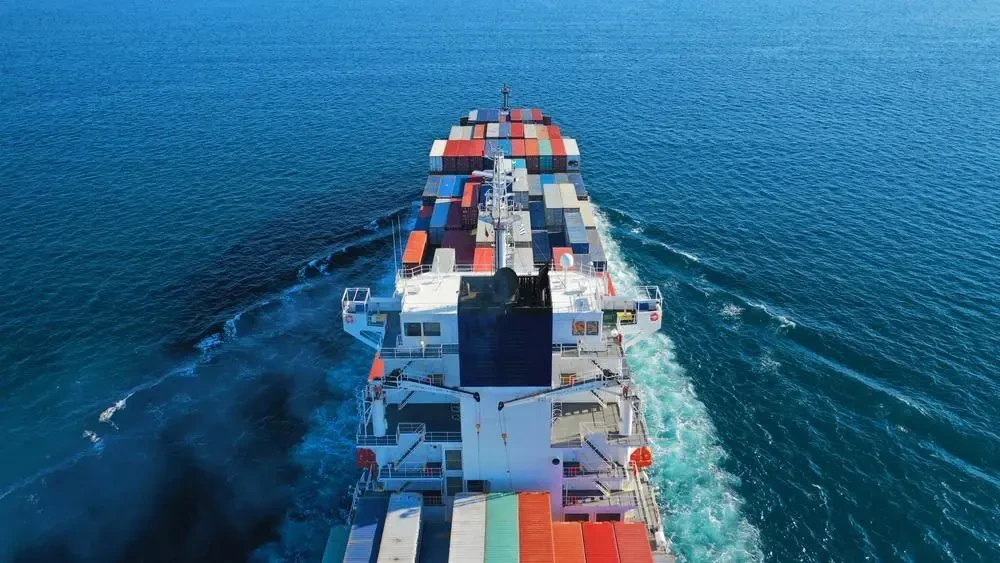
Find Cargo Containers For Freight Transport & Relocation
Frequently Asked Questions
You must prepare a commercial invoice, packing list, bill of lading, certificate of origin, and import license for most container shipments to the DRC. U.S. exporters also file AES through CBP, while Congolese customs may require an FERI or BESC certificate before loading. Requirements vary by commodity and Incoterms. Proper documentation reduces customs delays, demurrage, and port storage fees when shipping a container to Democratic Republic of the Congo.
Shipping a container to Democratic Republic of the Congo typically ranges from $3,000 to $8,000 for a 20ft container and $4,500 to $12,000 for a 40ft container, depending on origin port, fuel surcharges, and seasonal demand. Final pricing reflects container size, port fees at Matadi or Boma, inland transport to Kinshasa, customs clearance, and insurance. International freight rates fluctuate monthly based on global capacity and carrier pricing cycles. See current trends in international moving costs.
Transit time averages 25 to 45 days port to port, depending on origin and transshipment routes. Most cargo enters through Matadi, then moves inland by rail or truck to Kinshasa. FCL shipments move faster because the container stays sealed, while LCL shipments require consolidation and deconsolidation at multiple ports. Weather in the Atlantic and port congestion can extend schedules by 5 to 10 days, especially during peak global shipping periods.
Importers generally pay customs duties ranging from 5 percent to 20 percent, plus VAT typically around 16 percent, calculated on CIF value. Additional port handling, inspection, and administrative fees may apply. Rates depend on HS code classification and declared value. Under Incoterms such as DDP or CIF, responsibility for duties differs. Accurate valuation and documentation help prevent reassessment penalties and customs holds at Matadi port.
A standard 20ft container typically allows a maximum gross weight of about 30,480 kg (67,200 lbs), with usable cargo weight around 25,000 kg (55,000 lbs). A 40ft container allows roughly 26,000 to 28,000 kg of cargo depending on manufacturer rating and CSC plate limits. Road weight restrictions in the DRC may reduce practical loading capacity. Overweight containers risk port refusal, fines, or inland transport delays.
Marine insurance is not legally required but strongly recommended for international container shipments. Ocean freight carriers limit liability under international conventions, often reimbursing by weight rather than item value. Coverage protects against theft, water damage, port handling incidents, and total loss during overseas transport. When arranging an international moving service, verify whether coverage is all risk or named peril and confirm declared value accuracy before departure.