Published by Chris Townsend
Last updated Jan, 04 2026

How Much Does It Cost Of Shipping A Container To ?
When it comes to shipping goods internationally, there are a lot of variables to consider, which can be difficult for those who aren't well-versed in the subject. Three Movers will help you grasp all of these issues and relieve you of all of the worries that come with them. Cuba is one of the numerous countries we ship to. You may rest easy knowing that your shipping is in good hands with the services we provide.

Factors That Affect The Costs
When moving your goods to another country, there are several factors to consider when estimating shipping costs.
The five most essential considerations include:
- The volume or weight of the goods.
- The type of conveyance to be employed.
- The distance traveled by the cargo.
- The destination port.
- The time of year when shipping occurs.
You may be shocked to learn that the time of year has an impact on hauling rates, but it does. The busiest time of year for shippers and retailers is from August through October each year. Relocating prices typically rise in response to increased demand for goods.

Which Size of Container Works Best For Me?
Since sizes affect what you can transport, we'll offer you an estimate of the capacity of the most regularly used 20ft and 40ft containers.
How Big Is A 20ft Container?
The size of a single garage, can easily transport the contents of a three-bedroom apartment. It's the greatest option for products that aren't very large or have a small volume.

How Big Is A 40ft Container?
It holds twice as much as a 20-foot container and offers greater space and comfort for your belongings. It is the finest option for guaranteeing that you and your loved ones do not discard any sentimental items while relocating to Cuba.

The Difference Between FCL And LCL
The term "full container load" is used when shipping costs are calculated based on the full capacity of a container. Customers who are unclear about the volume of their shipment or who believe it is too little to warrant the cost of a full 40-foot container have the option of selecting the "less than container load" option in which case they will share the container with other customers who select the same choice.
Average Relocating Rates Estimates
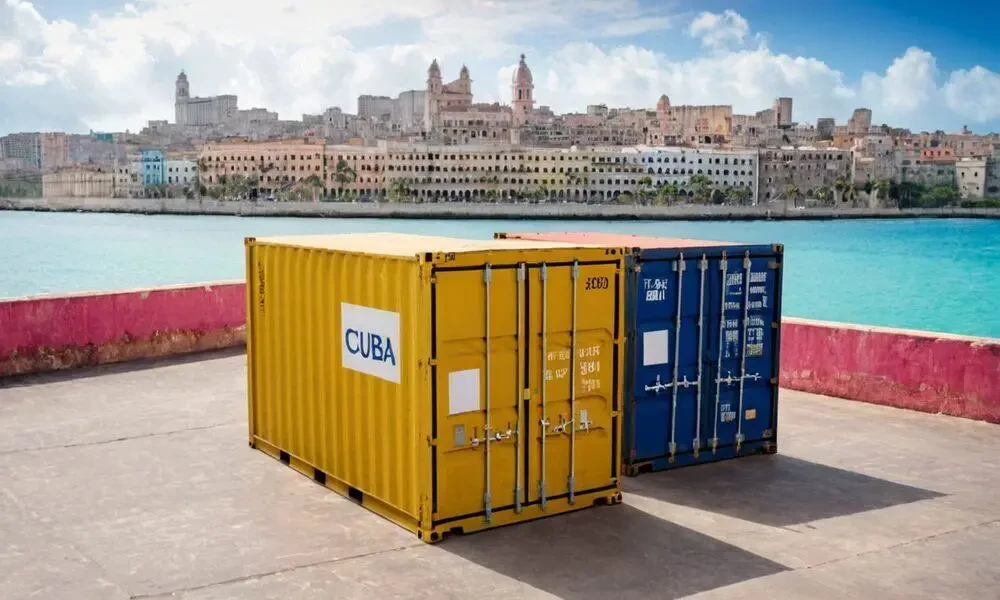
It is best for transporting lots of boxes, pallets and anything which will require a full container shifting to Cuba of up to 45,000lbs.
Full Container Load (FCL) Moving Rates | |
|---|---|
| 20 ft | $855 |
| 40 ft | $895 |

It is more affordable way to transport less than container load shipments to Cuba.
Less Than Container (LCL) Shifting Rates | |
|---|---|
| LCL | $65/CBM |
| Personal Effects | $440 |
| Household Goods | $510 |

International house moving to Cuba services - quick, easy and cheap.
International House Moving Costs | |
|---|---|
| Partial House (2000Lbs & Less) | $480 |
| 1 Bedroom (3850 Lbs) | $2330 |
| 2 Bedroom (4500 Lbs) | $2840 |
| 3+ Bedroom (8750 Lbs) | $3260 |
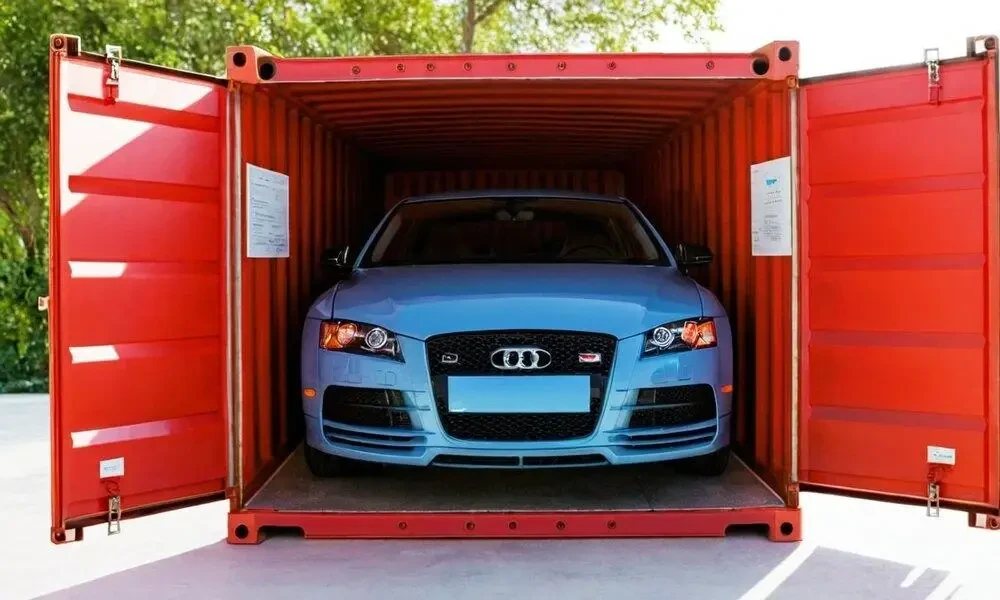
International auto transport services to Cuba via RoRo and container ships. Ship cars, trucks, suvs, atv's, boats, RV's, heavy equipment and more.
Container Car Shipping | |
|---|---|
| Sedan (Container) | $1325 |
| SUV (Container) | $1390 |
| Sedan via RORO | $835 |
| SUV via RORO | $895 |

Understanding The Different Types of Freight Transportation
To deliver your shipments to their final destination, you may need one or a combination of freight solutions. As a result, there are several different methods of freight transportation:
- Sea freight
- Air freight
- Truck freight
- Train freight
Cuba is a country that uses a variety of freight transportation methods. With a freight volume of over 39 million metric tons, roads have been by far the most popular mode of cargo transportation in Cuba in recent years. With 13.5 million tons of freight handled in the Caribbean country, railway transport came in second. Most of the international airports in Cuba are Cargo airports too, therefore air and sea cargo is also popular.

Additional Costs
Guiding you also entails going to great lengths to provide you with the necessary knowledge to aid your financial and psychological planning. This is why we are bringing these additional shipping costs to your attention.
- Customs duties
- Insurance
- General Rate Increase
- Container inspection fees
- Quarantine fees
- Inland delivery charges
For Cuba, you are looking at a 20% import tax on the full value of your items. You should also verify whether your container will be shipped port-to-port or door-to-door. The second option is more expensive but far more convenient. If you don’t have a way to get your stuff off of the port, go with door-to-door service.
What's Next?
After discussing the factors that influence the cost of shipping to Cuba, it's time to give you the final piece of the puzzle: a quote. Simply fill out our web form or give us a call at (888) 202-0036 to obtain it for free. We offer top-quality services at competitive prices.

Find Cargo Containers For Freight Transport & Relocation
Frequently Asked Questions
The cost of shipping a container to Cuba from the USA typically ranges from $3,500–$8,500 for a 20-foot container and $6,000–$12,000 for a 40-foot container. Pricing is driven by departure port, container size, cargo weight, customs processing, and Cuba-specific compliance fees. Routes from Florida ports are usually cheaper due to shorter transit distances. For broader international pricing context, see international moving costs.
A full container load is usually more cost-effective once cargo exceeds 800–1,000 cubic feet. Shared containers may lower upfront costs but often include consolidation fees, extra handling, and longer delivery windows. Full containers offer fixed pricing, reduced handling risk, and faster customs clearance, making them the preferred option for household goods or commercial cargo. This aligns with cost patterns seen in moving overseas shipping costs.
Shipping to Cuba from Miami generally costs 15–25 percent less than from other U.S. ports. A 20-foot container from Miami often falls between $3,500 and $6,500, depending on cargo type, documentation, and destination port in Cuba. Miami remains the primary U.S. gateway due to frequent sailings and established Cuba trade lanes, which help reduce handling delays and port-related surcharges.
Required documents include a commercial invoice, packing list, bill of lading, export authorization, and recipient eligibility paperwork under U.S. regulations. Errors or omissions can result in port holds or cargo refusal. Both U.S. export controls and Cuban import rules apply. Many shippers bundle documentation handling through international moving and storage services to reduce compliance risks.
Cuba restricts items such as high-value electronics, new vehicles without approval, currency, commercial quantities of goods, and certain appliances. Restrictions vary by recipient category and declared value, and they change frequently. Non-compliant cargo may be seized without reimbursement. Accurate cargo classification and valuation are critical when planning shipments under international overseas moving tips.
Transit times typically range from 7–21 days, depending on departure port, carrier schedules, customs clearance, and port congestion in Cuba. Florida departures are usually faster, while shipments requiring additional inspections may take longer. Delivery timelines also vary based on whether the container is cleared for direct release or secondary inspection. These timelines are consistent with standard global moving services routes.