Published by Chris Townsend
Last updated Dec, 29 2025

Yes, Americans can move to Spain without a job. However, eligibility largely depends on meeting specific visa criteria, particularly the non-lucrative residence visa, which requires proof of sufficient financial means and other prerequisites.
With its rich culture, warm climate, and picturesque landscapes, Spain is a dream destination for many Americans. While moving to Spain without a job might seem challenging, it's entirely feasible, especially if you qualify for a non-lucrative residence visa. This visa is designed for individuals who wish to reside in Spain without employment. However, there are essential criteria to ensure that you can sustain yourself financially and adhere to the country's regulations.
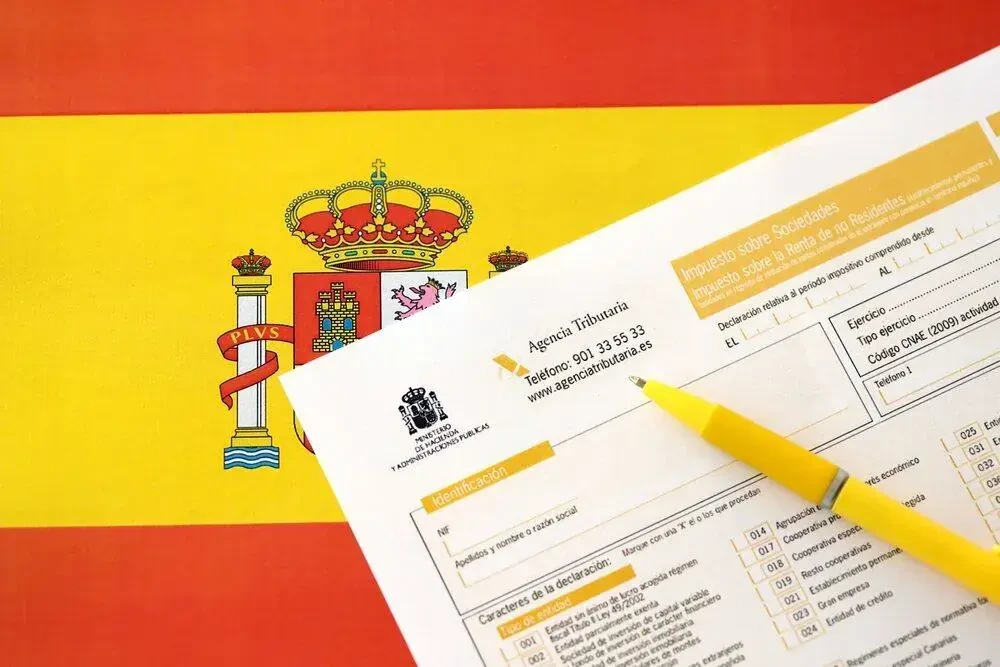
The Financial Requirements for American Expats in Spain
Securing a residency in Spain as an American expatriate involves meeting certain financial prerequisites set by the Spanish government. These provisions intend to ensure that the new residents contribute to the economy, don't become a drain on state resources, and can sustain a decent quality of life.
American expats need to produce concrete evidence of steady income or savings. For individual applicants, a monthly income of approximately 2,130 Euros or more is required, whereas an extra 532 Euros per month is needed for each additional family member. Additionally, owning equity in real estate or other assets in Spain can enhance the approval of the application. Remember that these financial thresholds are subject to changes as per the cost of living in Spain.
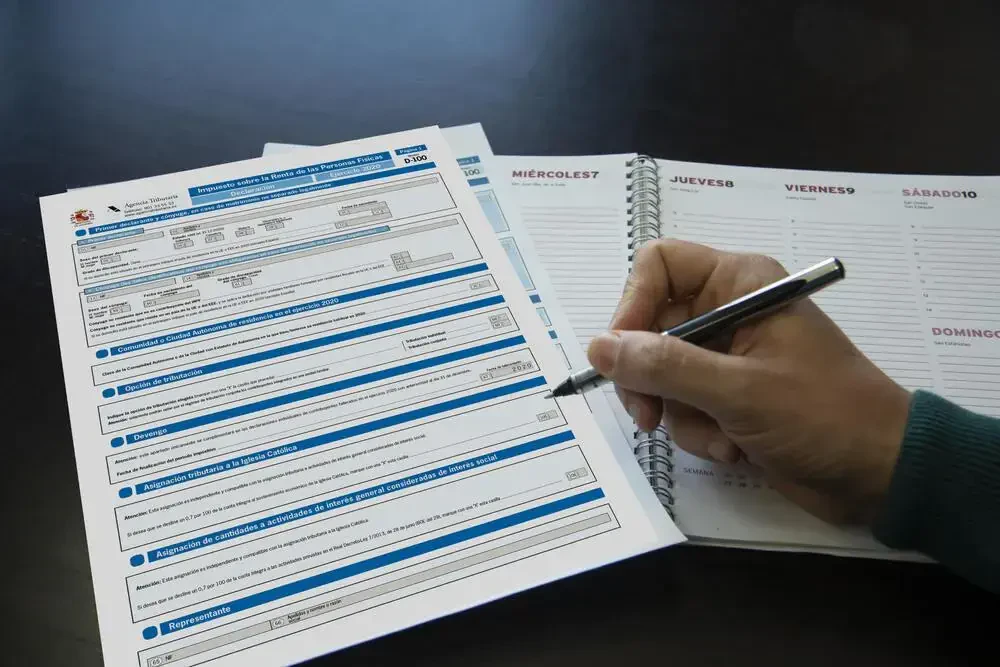
How to Apply for a Non-Lucrative Residence Visa
Navigating applying for a Non-Lucrative Residence Visa in Spain can seem daunting. Nevertheless, it can be a manageable undertaking with the right information and careful preparations. The primary purpose of this visa is to enable an individual the liberty to reside in Spain for a period exceeding 90 days without engaging in any kind of lucrative activity or job. It's often favored by retirees, students, or those who'd just like to bask in the Spanish lifestyle without the bindings of employment.
The first step in the application process involves gathering all the necessary documentation. This includes proof of your financial ability to support yourself without working, a clean criminal record, and a medical certificate to vouch for your good health. The application form must be obtained from the Spanish embassy or consulate in your home country, filled in accurately, and submitted alongside the required documents. It's advisable to start this process well in advance, as the processing time can take up to a few months.

Frequently Asked Questions
Yes. Americans can move to Spain without a job by securing a Non-Lucrative Residence Visa. This visa allows legal residence without employment in Spain and is commonly used by retirees, remote-income holders, or those living off savings. Approval depends on verified financial independence, private health insurance, and a clean background. This path is frequently chosen before arranging international relocation logistics such as housing shipments and customs planning.
Spain’s Non-Lucrative Residence Visa permits U.S. citizens to live in Spain without working locally. It is valid for one year, renewable for two-year periods, and can lead to permanent residency. Holders cannot earn Spanish income but may use foreign savings or passive income. Many applicants coordinate this visa alongside international household shipping and long-term storage planning.
Spain requires proof of approximately €2,400–€2,600 per month for a single applicant, based on 400 percent of IPREM, plus about €600–€700 per dependent. Funds must be liquid and verifiable, typically shown via bank statements. Separate from visa funds, Americans should budget $8,000–$15,000+ for relocation, housing deposits, and setup costs. See guidance on how much money you should have when moving to Europe.
No. The non-lucrative visa does not allow any work activity, including remote work for U.S. employers. Spain actively enforces this restriction. Americans who plan to work remotely should consider Spain’s Digital Nomad Visa instead. Choosing the wrong visa is one of the most common mistakes when relocating internationally and can disrupt long-distance moving and residency timelines.
Applications require a valid passport, FBI background check with apostille, medical certificate, proof of private Spanish-approved health insurance, financial documentation, and a completed visa application. All materials must be submitted in person at the Spanish consulate covering your U.S. residence. Document preparation often takes 6–10 weeks, so relocation and shipping schedules should be planned carefully.
Americans should apply 60–90 days before their intended move date. Processing times vary by consulate and can extend beyond eight weeks during peak seasons. Flights, housing leases, and overseas shipping should remain flexible until approval is granted. Many movers recommend finalizing international shipping only after the visa is issued to avoid costly delays.
Common reasons include strict non-working rules, required financial liquidity, slower bureaucracy, language barriers, and limited access to public healthcare initially. Spain also has regional tax considerations that surprise many Americans. Understanding these risks early helps avoid relocation mistakes and unexpected international moving expenses, including customs delays and storage overruns. Reviewing international moving costs in advance is strongly recommended.