Published by Chris Townsend
Last updated Dec, 06 2025
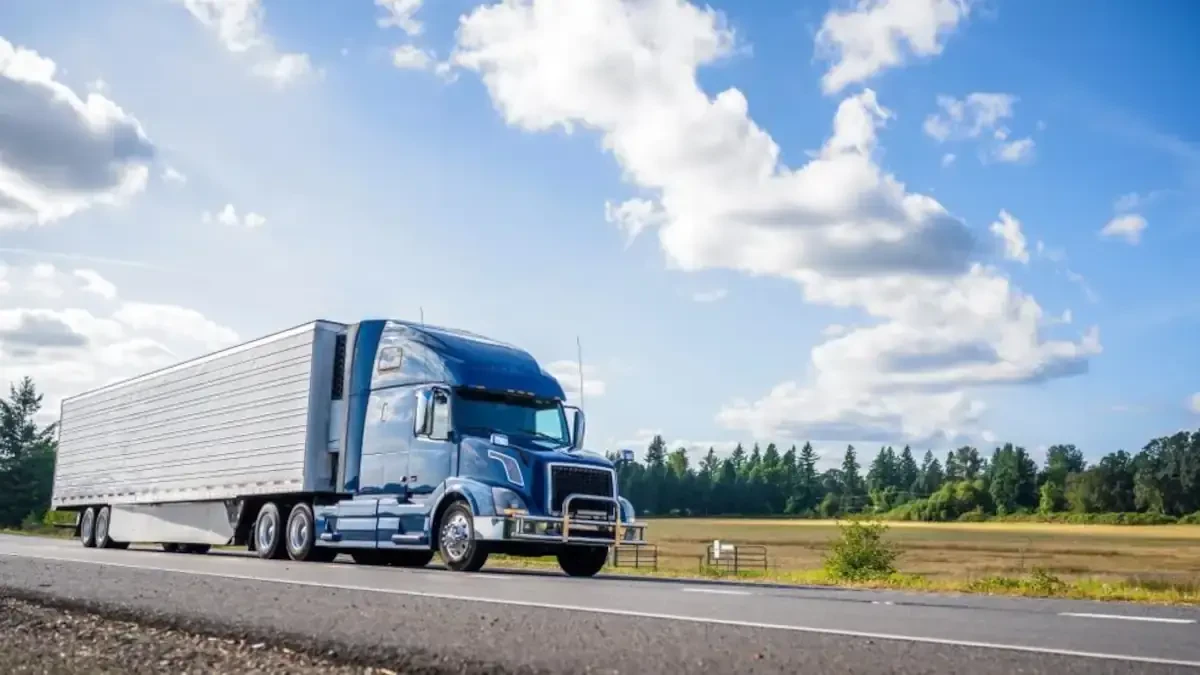
Best Interstate Moving Services with Three Movers
When planning a move across state lines, finding the best interstate moving services is crucial for a seamless and stress-free transition. These companies specialize in long-distance relocations, offering expertise in safely transporting your belongings across state borders. With numerous options available, it can be challenging to identify a reliable and professional moving company that fits your specific needs.
This guide will provide valuable insights into selecting the right service by examining critical factors such as pricing, customer reviews, licensing, insurance coverage, and additional services like packing or storage. By making an informed decision, you can ensure a smooth and efficient moving experience.
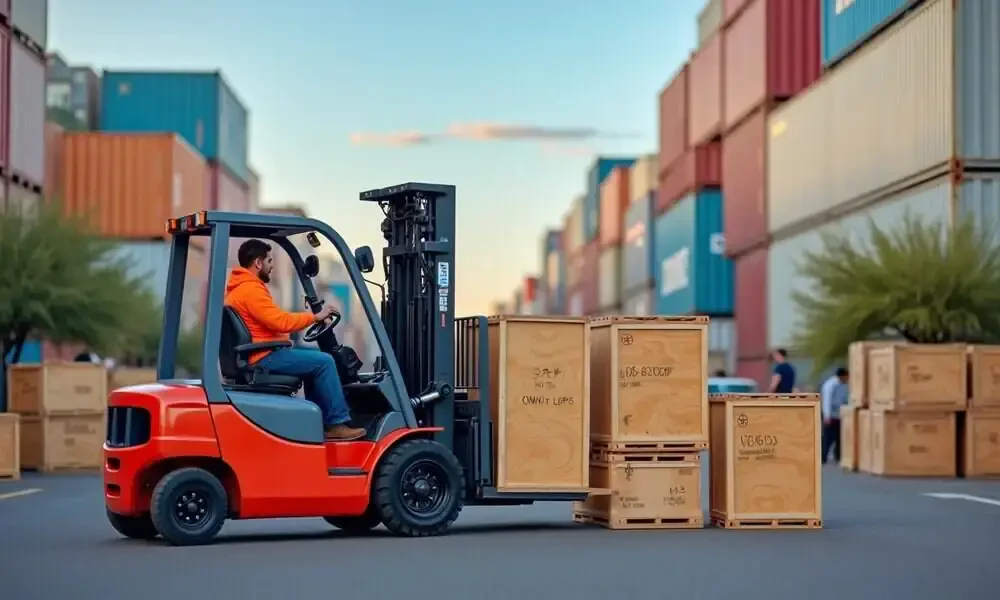
Affordable Long-Distance Moving Options
When it comes to planning a long-distance move, affordability is often a top concern for many individuals and families. To find budget-friendly options, it's essential to start by comparing quotes from multiple interstate moving companies. Many movers offer online tools that allow you to get estimates based on the distance of your move, the volume of your belongings, and additional services you may need.
Another way to save money is by being flexible with your moving dates; booking during off-peak seasons or weekdays can often lead to lower rates. Additionally, consider downsizing your belongings before the move. Selling or donating items you no longer need can reduce the overall weight of your shipment, potentially lowering your moving costs.
Top Companies for Interstate Moving
When considering interstate moving, it's essential to choose companies that specialize in this specific area of service to ensure a smooth transition. Notable players in the industry include:
- U-Haul: Known for its extensive truck rental options, U-Haul provides a flexible and cost-effective solution for DIY movers. Their wide network of locations makes it easy to pick up and drop off rental trucks.
- Allied Van Lines: This company offers comprehensive packing and loading services tailored to your needs. Allied is recognized for its excellent customer service and a wide range of moving solutions, making it a reliable choice for long-distance relocations.
- Mayflower: With a long-standing reputation in the industry, Mayflower is known for its customizable moving services. They provide specialized packing options and a dedicated team to assist throughout the moving process.
- American Van Lines: This mover stands out for its transparent pricing and customizable plans. American Van Lines has been coordinating successful long-distance moves since 1933, ensuring your belongings are handled with care.
These companies provide tailored solutions for long-distance moves, ensuring that your belongings are handled with care. Additionally, they often offer online tools for obtaining moving estimates, helping you budget effectively. Customer service is another critical factor; many of these companies have dedicated support teams to assist you throughout the moving process. By focusing on companies that excel in interstate relocation, you can ensure a smoother transition and peace of mind during your move.

How Do I Find An Interstate Mover Near Ne?
Finding a great interstate relocation company takes some research, but there are some helpful resources to guide you. Any corporate that engages in long distance relocation must register with the Department of Transportation, which has jurisdiction over cross-state commerce. DOT has a special department set up to oversee shifters and other large motor carriers. It’s called the Federal Motor Carrier Safety Administration, or FMCSA, and its purpose is to protect consumers from unsafe or unscrupulous long distance moving companies. The FMCSA website tracks registered companies (each one has a unique motor carrier number) and keeps records of their safety history and consumer complaints.
FMCSA also developed rules that cross-state movers must follow when providing services to customers. Understanding these standards will help you evaluate and select the right vendor for your relocate project. FMCSA recommends that you avoid doing business with companies that are not registered. It suggests that you review their publication titled Your Rights and Responsibilities When You Shift to find out more about carriers and transfers brokers. Brokers do not transfer your household goods. They operate like insurance or mortgage brokers--they connect consumers in need of moving solutions with companies that offer those assistances. An interstate relocator or a broker, is registered by FMCSA.
Besides checking with the FMCSA, you can also look up the shifter on sites like the Better Business Bureau and Yelp to read genuine customer reviews before you decide on any mover.

What Are The Rules That Hauling Companies Must Follow?
One of the essential rules for interstate shipments is that the shifter must provide a written estimate. The hauler is prohibited from giving you a verbal quote only; it is obligated to supply a written estimate with several required components.
Legal Obligations
Mandatory Physical Surveys of Belongings
If you are moving from a place that is less than 50 miles from the mover (or its agent or broker), then the company must complete a physical survey of the household goods, unless you waive the requirement, in writing. A visual inspection is crucial for the development of an accurate, so experts and FMCSA don't recommend that you consent to skip the survey. A carrier that is reluctant to abide by this requirement may not be honest or professional.
Provision of Free Estimates
The estimate from a cross country moving company must clearly state whether it is binding or non-binding based on weight or cubic feet, and what other accessorial or ancillary charges are included. The assessment will have an attachment known as the mover’s tariff, which lists all fees the relocator may charge for other services that may come up. A binding amount means that the price quoted is firm and will not increase even if the shipment's weight is higher than forecast (unless you add items to the delivery.)
A non-binding approximate means that the shifter would increase the price if it is estimated lower than the actual weight (or reduce the cost if it is overestimated.) Other charges for long distance moves listed in the amount may include packing facilities, if you ask for this, crating of artwork, specialty item preparation for things like pool tables or hot tubs, stairs, long carries, elevator use, and other miscellaneous labor charges.
Inclusion of Insurance Coverage
The value must include an explanation of valuation, which is like insurance. Transporting companies do not sell insurance, but they must assume liability for your possessions, within limits. You will have the choice of Full (Replacement) Value Protection or Waiver of Full (Replacement) Value Protection. The Full Value Protection will have a charge associated with it, which will be detailed in the approximate. You and the hauler will agree on a value for your shipment, based on the weight or a higher amount you determine.
Either way, you must declare any items of value that you are sending on the truck, and double-check that they are on the inventory. The Waiver of Full Value Protection is offered to you at no charge above the cost of the interstate moving service, but it provides minimal coverage. The coverage for repair or replacement of any lost or damaged item is limited to sixty cents per pound. That will not go very far in replacing even your most mundane possessions, much less anything of value.
Amount Must Be Well-Detailed
Never sign a blank or incomplete price, or one which does not specify that it is binding or nonbinding. If you have stumbled into an unscrupulous service provider, you would be giving them the chance to change your price without your knowledge. If you have a binding approximate, the mover cannot require you to pay more than the quote's rate unless the delivery is hampered by conditions known as impracticable operations.
These unforeseen conditions during long-distance shifts would typically be something about the destination that was not known in advance. For example, if the new home has an overhang that prevents the truck from parking near the entry, you may be charged for a long carry. Or if the destination residence is an apartment building and the elevator can't be reserved, the mover may impose waiting fees.
These fees can be added to the invoice on delivery day if the rate is less than 15 percent of all charges. If the new charges are more than that, the carrier can bill you for the balance after 30 days, but can't hold up the delivery.
Similarly, suppose you have a non-binding estimate. In that case, cross-state moving companies can only request payment of 110% of the charge of the assessment at the time of delivery (plus an amount for impracticable operations) and can bill any additional charges after 30 days. For example, if you have a nonbinding approximate of $5,000, the weight was substantially higher than the shifter predicted, and the final bill based on weight is $7,000.
The mover also charges $1,000 for services it says were necessary at the destination (total of $8,000): you are only required to pay $6,250 to receive the delivery. The vendor can bill you the balance after 30 days. This rule is designed to prevent shady operators from providing you with a low amount and then holding your possessions hostage until you pay an inflated bill.

Popular Areas For Our Shifting Solution
Three Movers services shifts nationwide, we provide both interstate, long distance, and local transfers. We also provide all kinds of moving solutions including inclusive packing and storage assistances,. Below are some of the most popular areas we work in and have relocating company with shifting trucks ready to assist:
| New York City | Austin | Boston | Milwaukee | Raleigh | Murfreesboro |
| Los Angeles | Jacksonville | El Paso | Chula Vista | Miami | Lufkin |
| Chicago | Fort Worth | Nashville | Tucson | Long Beach | Pensacola |
| Houston | Bakersfield | Detroit | Fresno | Virginia Beach | Palo Alto |
| Phoenix | Charlotte | Oklahoma City | Mesa | Oakland | St. Augustine |
| Pittsburg | San Francisco | Portland | Sacramento | Minneapolis | La Verne |
| San Antonio | Indianapolis | Las Vegas | Atlanta | Tulsa | La Puente |
| San Diego | Seattle | Memphis | Kansas City | Tampa | La Vergne |
| Dallas | Denver | Louisville | Colorado Springs | Arlington | Houston |
| San Jose | Washington | Baltimore | Omaha | New Orleans | El Paso |
FAQ's
What is the average cost of moving to another state?
The average cost of interstate shifts in the USA is about $1500.
How much does it cost per pound to move?
You will have to pay around 50 cents per pound without adding the cost for the distance of the haul.
Which is the cheapest way to shift?
Renting a truck and getting free help from friends and family for things like packing, loading, unloading, e.t.c. is the cheapest way to move interstate.
What is the first thing to do when relocating to a new state?
You have to change your voter registration as soon as you move to a new state.
Which is the best company for shifting out of state?
Three Movers is the best moving firm for interstate relocation.
How do I find the best long distance carriers?
Consult With FMCSA ( Federal Motor Carrier Safety Administration ) to find the best long distance carriers.
Frequently Asked Questions
Interstate movers near you generally cost $2,200–$6,500 for a typical 1–3 bedroom shipment, with larger homes reaching $7,500+. Pricing reflects move size, weight, mileage, packing level, 2–4 movers, stair/elevator access, long-carry distance, and seasonal demand. Costs also vary based on whether you need disassembly, specialty items, or guaranteed delivery windows. For additional planning, see our moving cost resources through the average cost of moving interstate.
A mover is considered an interstate moving company when it is licensed to transport household goods across state lines, regulated by the FMCSA and issued a USDOT number. These carriers must follow federal standards for insurance, claims handling, and service transparency. Local-only carriers cannot legally perform state-to-state moves. To compare broader options, review our interstate movers directory.
Most customers book 4–8 weeks ahead, especially during summer or end-of-month periods. Earlier booking helps secure preferred loading dates, ensures crew availability, and avoids last-minute premiums. Timelines depend on factors such as building access windows, elevator reservations, HOA rules, weather, and whether you require full packing or partial packing before move day.
Delivery timelines often run 3–10 days for nearby states and 7–21 days for cross-country routes. Transit depends on mileage, truck routing efficiency, shipment size, weather patterns, and whether the carrier runs a direct truck or a consolidated load. Rural or hard-to-access areas can add time. Our long distance movers guide explains typical delivery patterns for multi-state hauls.
Most interstate carriers provide full packing, partial packing, and fragile-only support. Packing level affects total cost and the required number of movers. Homes with many breakables, large kitchens, artwork, or oversized furniture benefit from professional packing to maintain inventory accuracy and reduce claims risk. You can pair packing with loading and transport through our full service movers options.
The most influential pricing factors include weight, distance, home size (studio to 5BR), 2–5 mover crew size, packing needs, stairs/elevators, parking or long-carry conditions, special items (pianos, safes), weather, and delivery timing. Moves with multiple load or drop-off points also raise the total. For rough planning, consider weight-based and mileage-based calculators such as our moving cost estimator.