Published by Chris Townsend
Last updated Jan, 21 2026
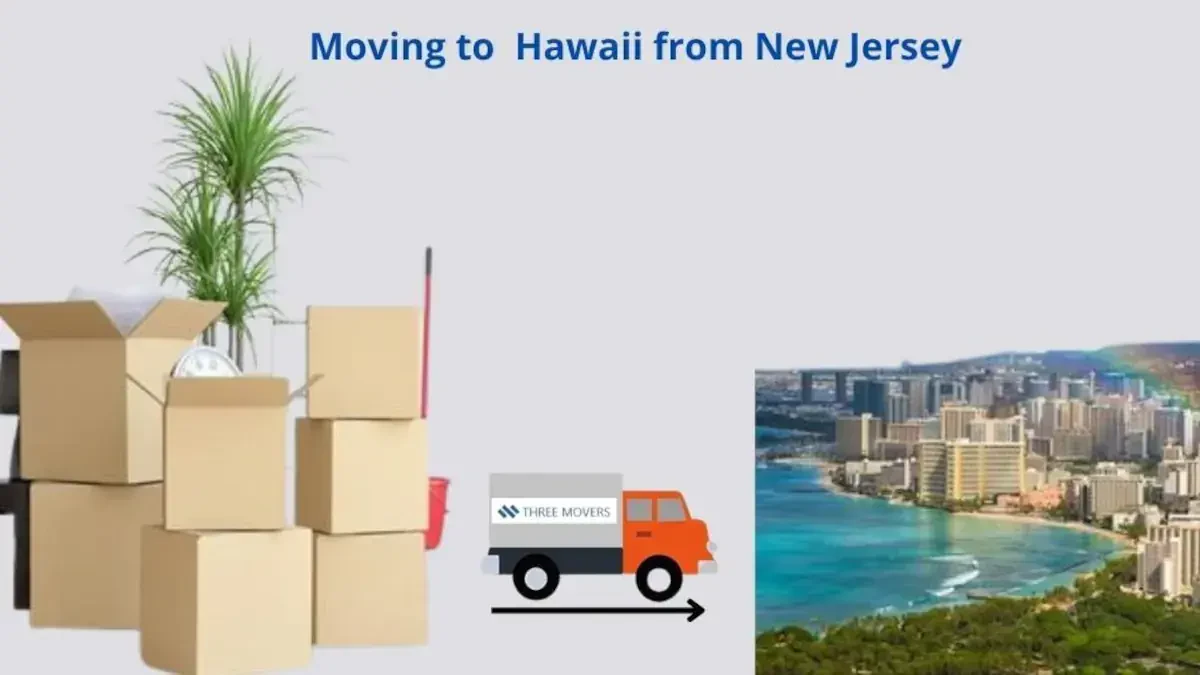
Moving to Hawaii from New Jersey
Moving to Hawaii from New Jersey is stressful. Before relocating to Hawaii, you need to do proper planning and research. Moving to the beautiful islands of Hawaii is every American’s dream. Who wouldn’t want to spend the better part of their time enjoying the fantastic white sand beaches, basking in the sun, and living the aloha life? It’s the dream life.
So, congratulations on making, arguably, the best decision of your life. You’ll love living in Hawaii. Many people say it’s the most social place in the world!
Unfortunately, though, relocating to Hawaii is rather complex. It’s not similar to moving to North Carolina or New York. For one, the Hawaiian Islands are located 4,886 miles away from New Jersey, in the middle of the Pacific Ocean. So, it’s essentially like a cross-continental relocation. Secondly, Hawaii is one of the most expensive places to stay or live on earth. So, you need to budget adequately.
Assuming that you’re already working on where to live and the other aspects of the relocation, let’s discuss finding the right moving company.
How Much Does it Cost to Move to Hawaii from New Jersey?
The average cost of moving to Hawaii from New Jersey is $5,800 to $6,480 for a two-bedroom apartment. Smaller houses cost less to move while a bigger house will cost more. For instance, it costs between $4,830 and $5,910 to relocate a studio apartment or one-bedroom house over the same distance. However, for a 5-bedroom house, you need up to $9,130.
As you budget for the relocation cost, don’t forget about storage and car shipping (if you’re moving with the car). Storage costs vary depending on the size of the storage area and duration, while car shipping costs mainly depend on weight, physical size, and make.
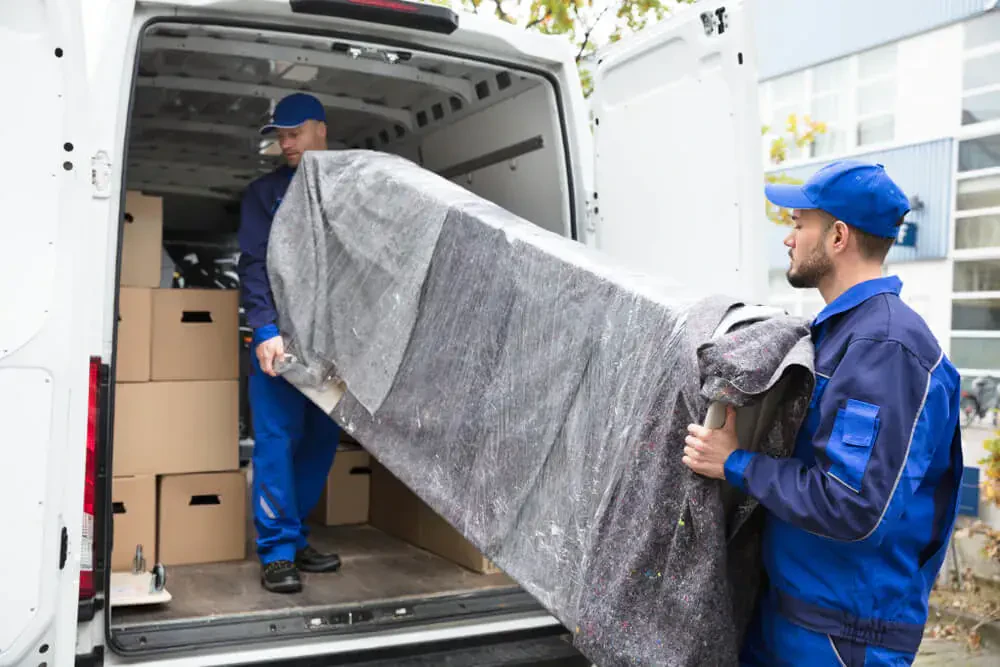
Choose a Movers While Moving to Hawaii from New Jersey
The first thing we usually recommend is getting referrals from friends and family. If you know someone who recently moved to or from Hawaii, ask them to recommend a mover. You can also find recommendations and other candidates on social media and through Google searches. Once you have a list;
- Do due diligence
Find out more about the company. What do they do? Are they specialized apartment movers? Do they have experience in long-distance relocations? Have they ever done the New Jersey – Hawaii route? These are just some of the questions to ask. Don’t forget to visit their website for answers. You’re also allowed to call.
- Verify the address
You must find the company’s address. However, seeing the address listed on the company’s website isn’t enough. Follow up with past clients to verify if it’s genuine. Ideally, they should have an office in New Jersey. It would be best to physically visit the office at least once before signing the agreement.
- Check for professional accreditations
All the best interstate movers are registered by the Department of Transportation and accredited by well-known moving associations. In particular, most pro movers are members of the American Movers and Storage Association (AMSA). AMSA members have a ProMover logo on their vans. You can also check the AMSA website at moving.org.
Moving Scams are on the Rise, Beware
If your gut feelings say no, look elsewhere. The same applies if the moving company you’re looking at isn’t properly registered or licensed. Don’t fall for excuses such as “we’re in the process of getting approved” or baits such as “we’ll give you the highest discount.”
At Three Movers, we take great satisfaction in our ability to carry out relocations for each and every one of our clients in and around Hawaii with relative ease. We take our reputation in this community extremely seriously, as seen by our sizable collection of five-star ratings and our high rate of repeat business. Every relocation is handled by our movers with the care, consideration, and excellent customer service that you deserve.
Recommended Article: Movers From Toronto To New Jersey
Frequently Asked Questions
Moving to Hawaii from New Jersey is an interstate and overseas move that combines mainland trucking with ocean freight shipping. Household goods are picked up in New Jersey, transported to a West Coast port, and shipped by container to Hawaii. Timing depends on home size, container availability, port schedules, and island destination. Most full household moves take 3–6 weeks door to door and fall under FMCSA rules for an interstate moving service.
Most moves cost between $6,000–$15,000+. Pricing is driven by shipment weight or container size, packing needs, access conditions in New Jersey, and the destination island. Studios and one bedroom homes using shared containers cost less than full 3–5 bedroom households. Port fees, fuel charges, and peak summer demand also influence pricing for a long distance moving service.
Typical delivery time is 21–45 days. Mainland pickup and port delivery usually take 5–10 days, followed by 14–30 days of ocean transit and island delivery. Delays may occur due to Pacific weather, port congestion, inspections, or limited delivery windows at condos and HOAs. Smaller consolidated shipments often take longer than exclusive containers.
Hawaii enforces strict agricultural controls. Plants, soil, open food, alcohol, propane tanks, fireworks, and certain chemicals are prohibited. Vehicles must be cleaned and documented separately. Shipments are inspected before container loading, and restricted items found at port may be removed at the shipper’s expense. Using a detailed moving checklist helps prevent delays and compliance issues.
Yes. Storage is common when housing timelines do not align with shipping schedules. Containers may be held at mainland ports or island warehouses depending on availability. Costs depend on storage duration, container size, and island location. This option is frequently used during lease gaps, military relocations, or new construction delays using a moving and storage service.
Yes. Studios and small apartments often ship using shared containers or lift vans, which lowers cost compared to exclusive containers. This is common for college moves or downsizing households. Partial loads may extend transit time due to consolidation schedules, and pricing is still affected by stairs, elevators, packing needs, and delivery access.