Published by Chris Townsend
Last updated Dec, 27 2025
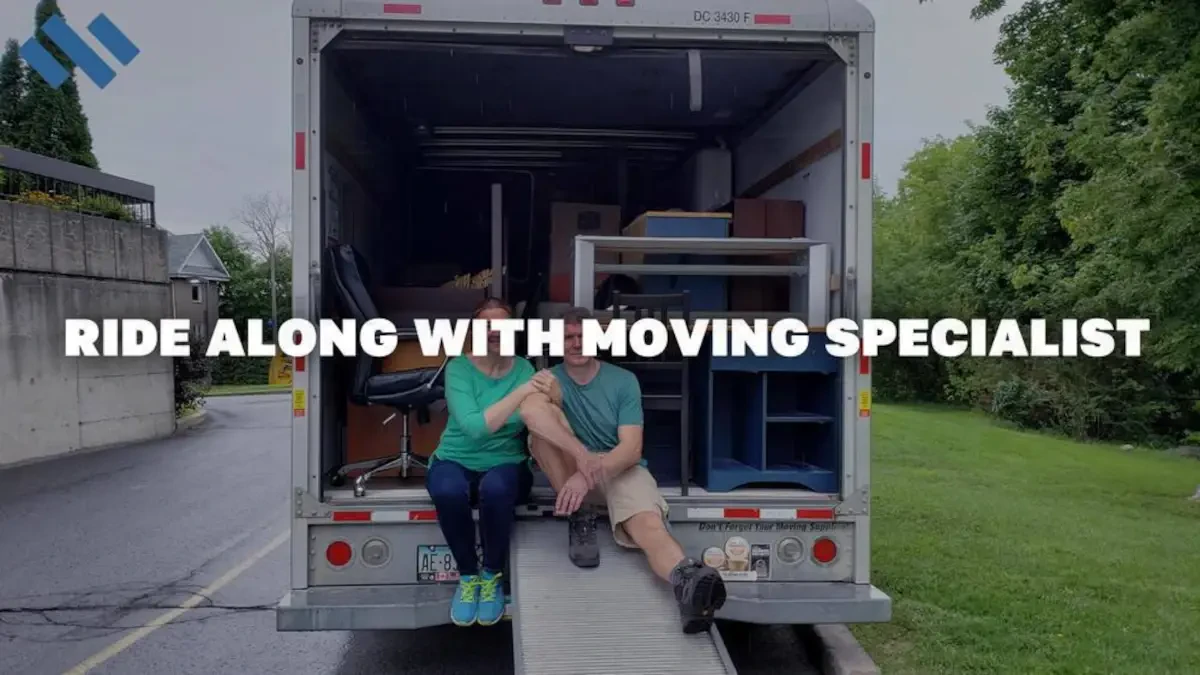
There is not a written rule that prevents you from asking the hauling specialists if can I ride with movers in the truck , but it is not proper moving etiquette to do so. Any moving company that is a reputable business is also not going to allow you to do this. If they act like they may allow you to do so, you may want to reconsider the company you are using.
Why am I not allowed to ride Movers in the truck?
In most moving trucks, there is a limited amount of space available for passengers. A lot of moving trucks only have room for a movers that drive the truck and a passenger. These seats are reserved for your specialists.
Since the front of the truck is reserved for the relocating boxes and staff, that leaves the cargo area. This is where all of your furniture and belongings are. While it may seem like a wild ride to sit on your couch while it is being transported in the back of a shifting truck, it probably is not the smartest idea. Your items will shift during transport. All items shift, it is just a matter of how much they shift during the drive.
If you are in the back of the truck in the cargo area, there is potential for injury. In the event of an accident, there are no restraints in the back of the truck to keep you safe. The same is true if a box falls down and strikes you, there is no guarantee that the ride will be safe.

Insurance Will Not Cover It
Your professional company does have standard insurance on the truck and your belongings during your haul. The coverage only applies to your belongings, not to you. Even when you pay extra for extended coverage, it does not cover you personally. The insurance that is available for hauling is only extended to the truck, the workers, and your belongings in the event of an accident or something breaking.
You may think that having your car hitched to the back of the relocating truck is a viable option. Riding along in your car while the company is towing it is not an option, either. Just because you have car insurance doesn’t mean that if there is an accident and you are injured while riding inside of the towed vehicle, that you will be covered. In fact, most insurance companies will not pay out for this.

If The Shifter Lets You Ride With Them
You need to be skeptical of the company that allows you to ride with them. They are taking a considerable risk, especially authorizing you to ride in the truck. Don’t be a victim because of a relocator not being professional. If you are injured in an accident, the chances of recovering compensation will be impossible because you are not allowed in the transporting truck for the ride to your new location.
There are a lot of states that also prohibit customers from riding in the moving vehicle with the crew. The law is there for your protection. Your company should be professional and comply with regulations.
Get A Quote To Haul
Contact an agent by filling out the fast quote form and get your next move started today!
How do I get to my new home during the move?
The most logical way to get to your new home during the process is to drive your own vehicle to the destination. If you don’t want to drive, you could have a friend or family member drive your car there as well. You can follow the relocators as they leave the point of origin up until they reach the final destination for the move.
What if I am shifting a long-distance?
If you are moving a longer distance than just across town, driving to your new home might not be the most cost-efficient option for you and your family. A lot of people will have the company transport their vehicle for them, which then leaves them trying to figure out how they are going to get to the new home destination. So, you can hire a driver for long distance transporting to drive your own vehicles.
A lot of customers will have their company transport their vehicle to the new home destination to save on gas and the mechanical well-being of their vehicle. These customers often choose to rent a car from a rental company and drive, or they will take a flight to the new city.
These customers are still responsible for finding their transportation to the new home once they land, but using a taxi cab or Uber can get them there. You can coordinate with your service company to find out when they expect to arrive at the new home so that you can plan your flight and ride to the house at the same time. Arriving too far ahead of time may make it difficult without any of your personal belongings.

What if I am moving internationally?
International haul are a little more complicated than local or long-distance moves. There is a lot of paperwork that is required to get your belongings across the border. If you are meeting your belongings at the final destination, you will need to make sure that you have the paperwork filled out and to the company ahead of time.
Most of your professional moving companies will already know the drill for moving boxes and household goods across international borders. If you do not plan on driving to the border crossing, they will have you fill out and send any pertinent information that is required to the border crossing ahead of time.
Your moving company will take care of all the fine details of a shifting like this for you. You wouldn’t want to ride in their truck for a trip of this length. That is why flying is a better option and coordinating a meet.

Three Movers
As a professional moving company with over 20 years of experience in the industry, we know what the restrictions and limitations are when it comes to having customers inside the relocating truck. We would not do anything to cause injury to our customers or our workers, which is why we will respectfully decline your request to ride in the shifting truck with us. When you need a professional service to move your belongings safely, Three Movers have all the solutions to any moving dilemma.
Frequently Asked Questions
No, customers are not allowed to ride along with a moving specialist in the truck. Commercial moving trucks operate under DOT and insurance restrictions that prohibit non-employees from riding in the cab. This applies to local, intrastate, and interstate moves. You must arrange your own transportation while the crew handles loading, transport, and unloading as part of a professional moving services agreement.
Moving companies prohibit passengers due to liability, insurance exclusions, and federal safety rules. Commercial auto policies do not cover customer injuries, and FMCSA compliance requires controlled access to vehicles. Allowing riders can void coverage and create serious safety risks. These rules apply regardless of move size, crew count, or distance when using licensed professional movers.
Riding along is generally only possible if you rent and drive the truck yourself. When customers choose a rental option and hire labor separately, they control who rides in the vehicle. This setup is common with a moving truck rental with movers arrangement, where movers provide labor only and not the vehicle or driver.
Yes, the rule applies to local moves as well. Even short-distance jobs fall under commercial insurance policies that prohibit passengers. Whether you are moving across town or across state lines, licensed crews operating company trucks cannot transport customers. This is standard across professional local moving companies nationwide.
You can follow the moving truck in your own vehicle and meet the crew at the destination within the agreed delivery window. Movers typically provide estimated arrival times and contact updates. This approach keeps you informed without violating safety or insurance rules tied to professional hauling and transport.
No. With a u haul or similar rental, you are the authorized driver and may carry passengers according to the rental agreement. The restriction only applies when a licensed moving specialist provides the truck and driver. DIY moves give flexibility, while professional services prioritize compliance and liability protection.
No, customers are not permitted in the cab at any time. During loading and unloading, safety zones must remain clear for ramps, dollies, and heavy lifting. Staying outside the truck reduces injury risk and ensures compliance with workplace safety and insurance requirements during active move operations.